May 9, 2026The Painted Lady
Restraint. Conformity. Self-expression. Autonomy.
What happens when something historically seen as vanity becomes an act of liberation?
Inspired by the complicated relationship between women and cosmetics in the Victorian era, this project explores a period in which visible makeup could carry implications far beyond beauty.
Respectability was intertwined with restraint.
Cosmetics—particularly when obvious—could be associated with vanity, impropriety and women who existed outside the boundaries of what society considered respectable.
I wanted to explore that tension through a woman gradually choosing to become visible, and the sense of freedom she experiences as she does.
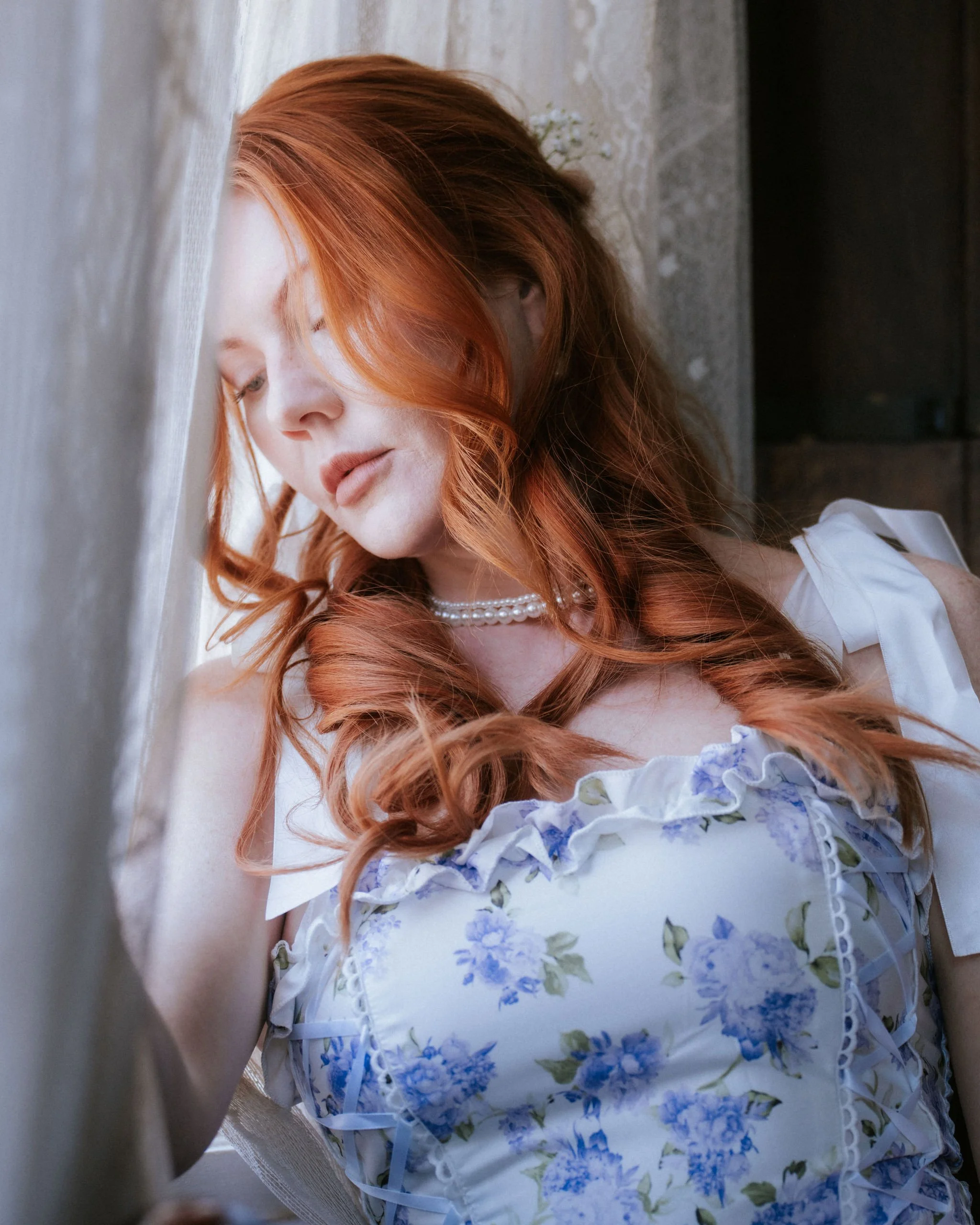
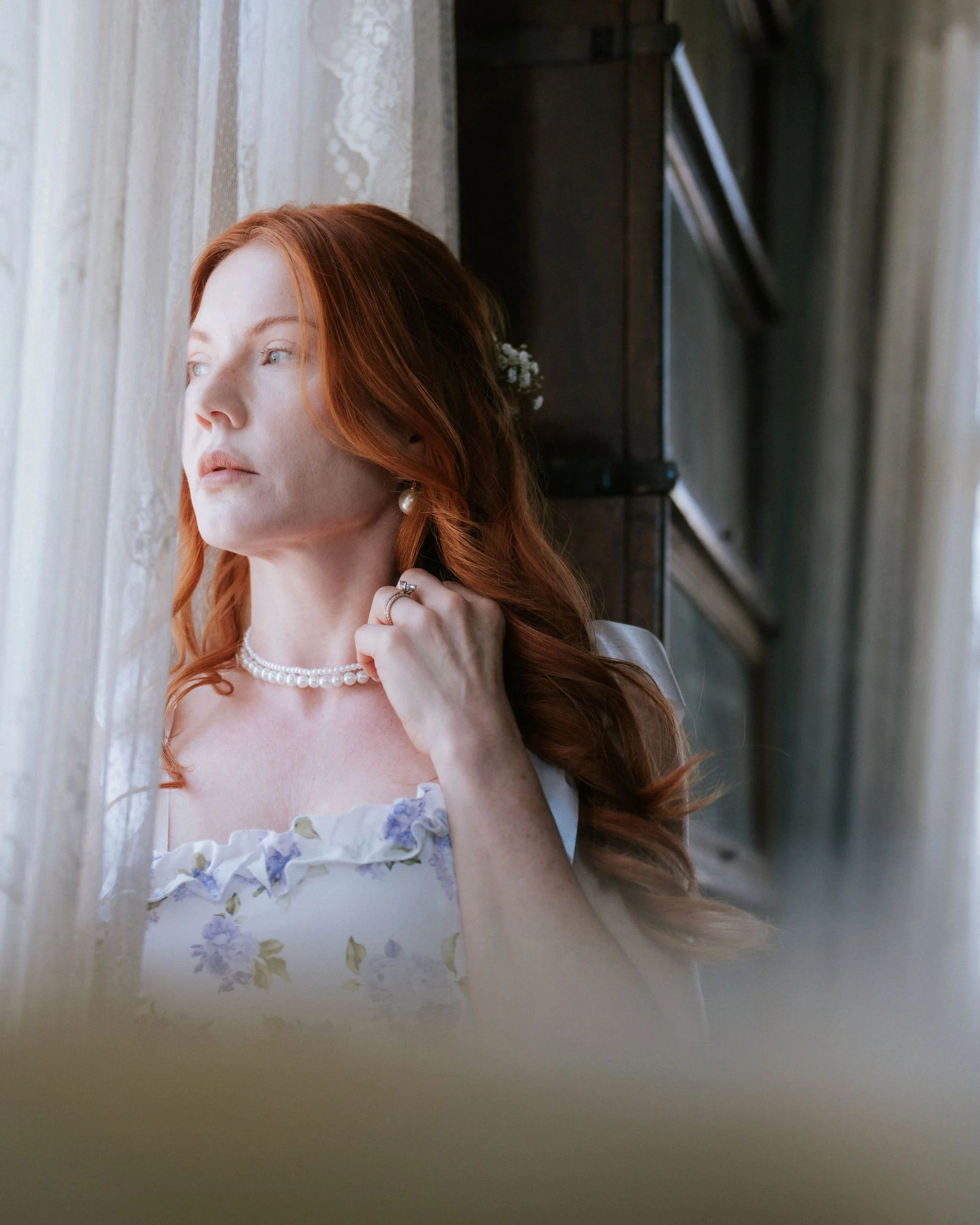
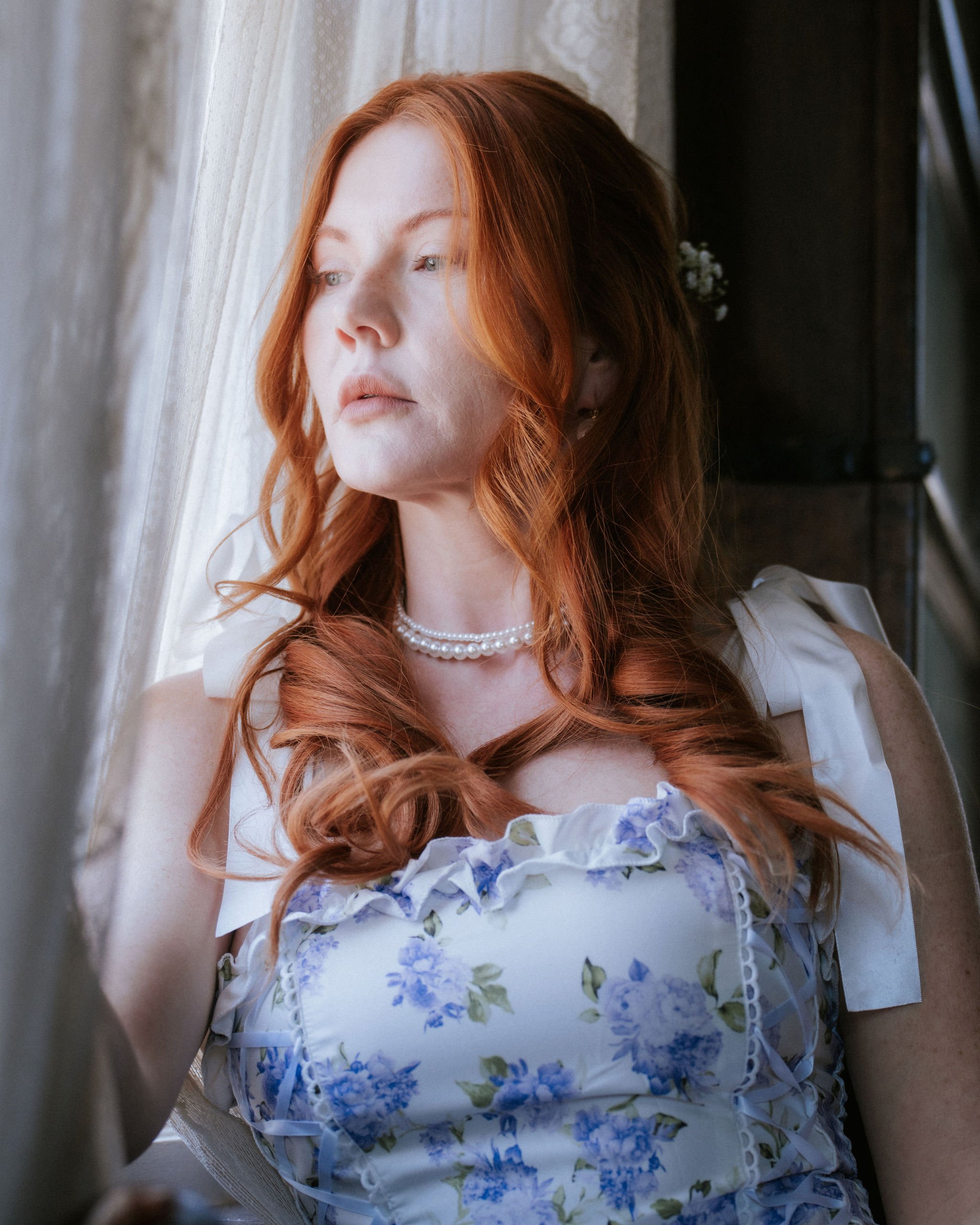
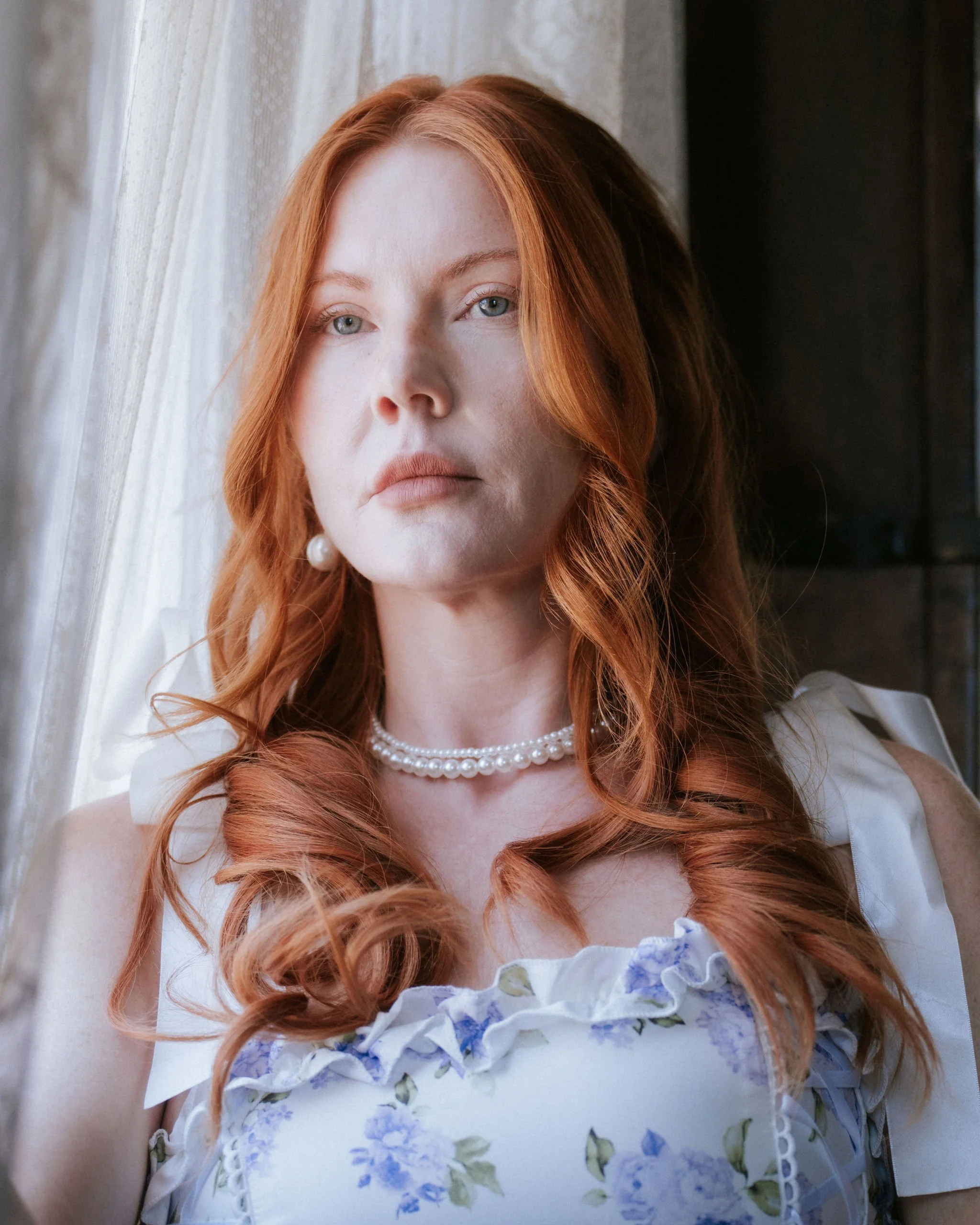
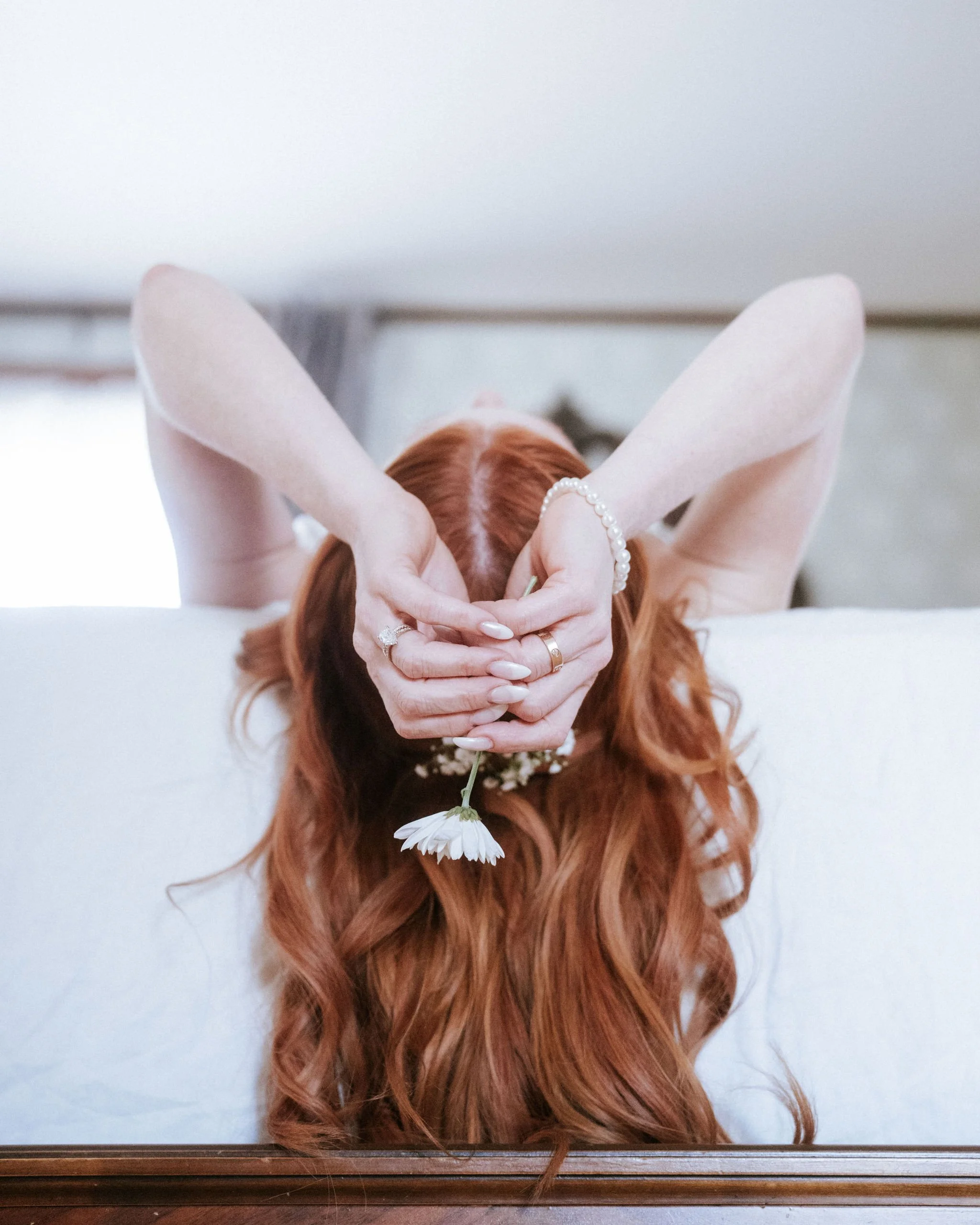
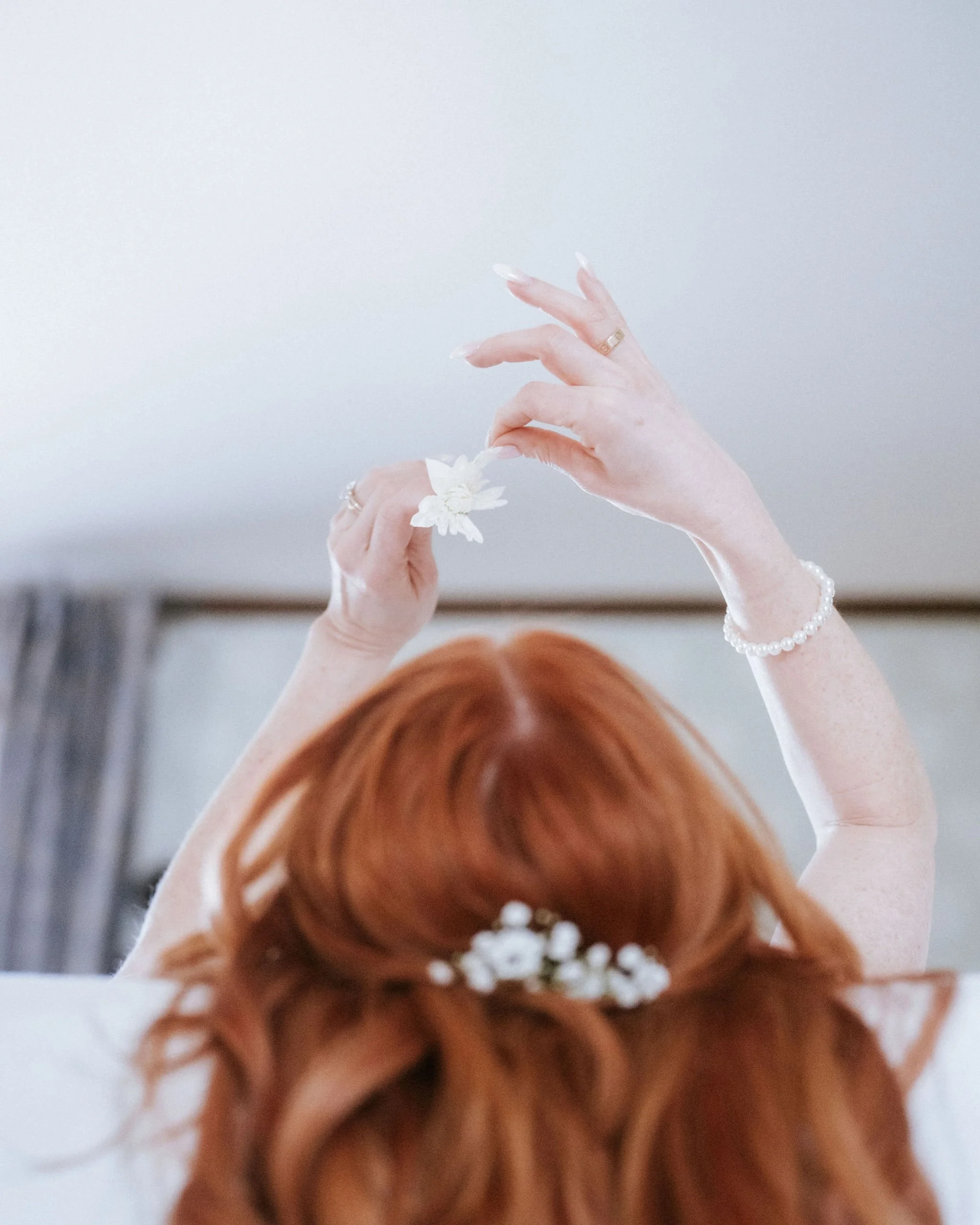
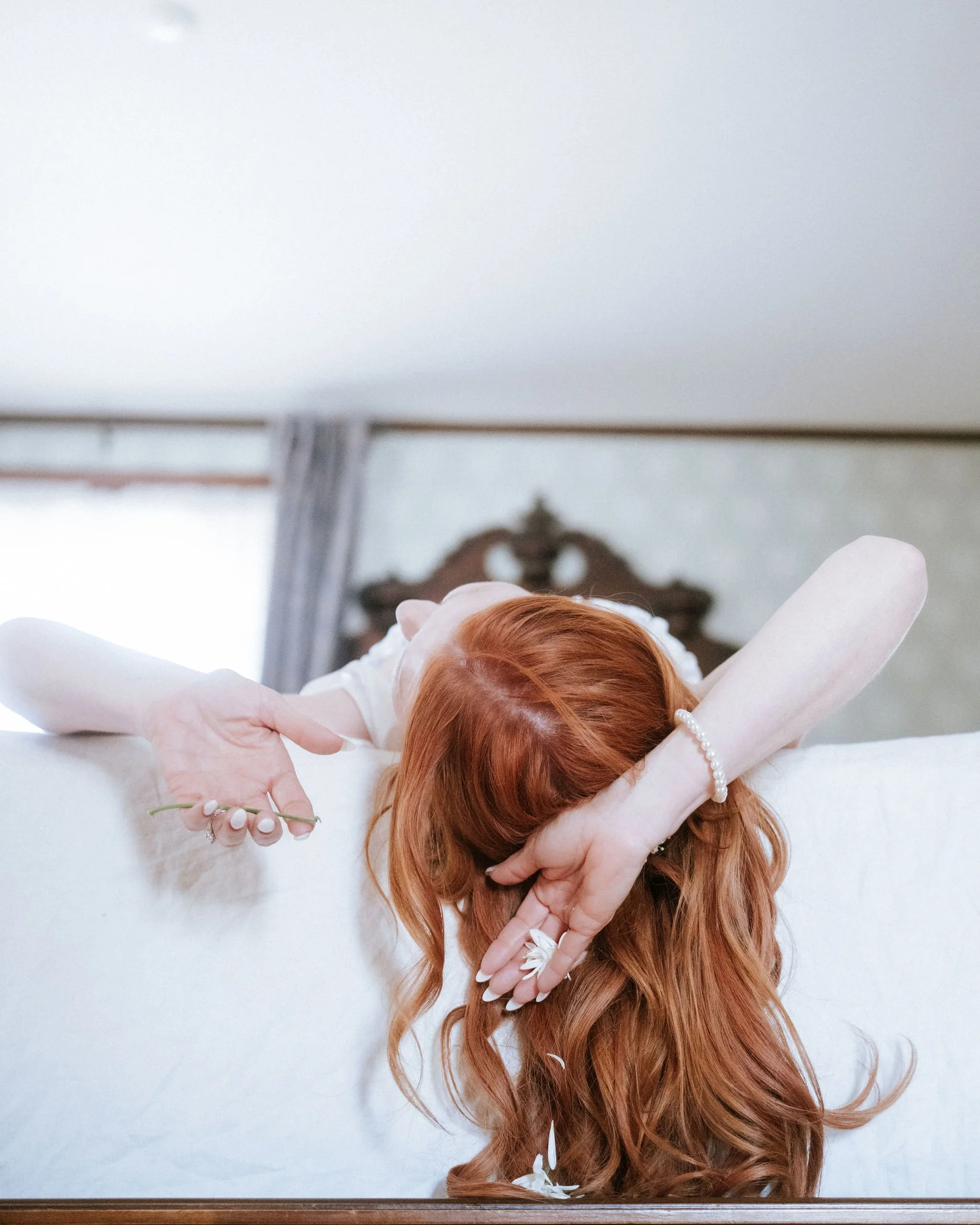
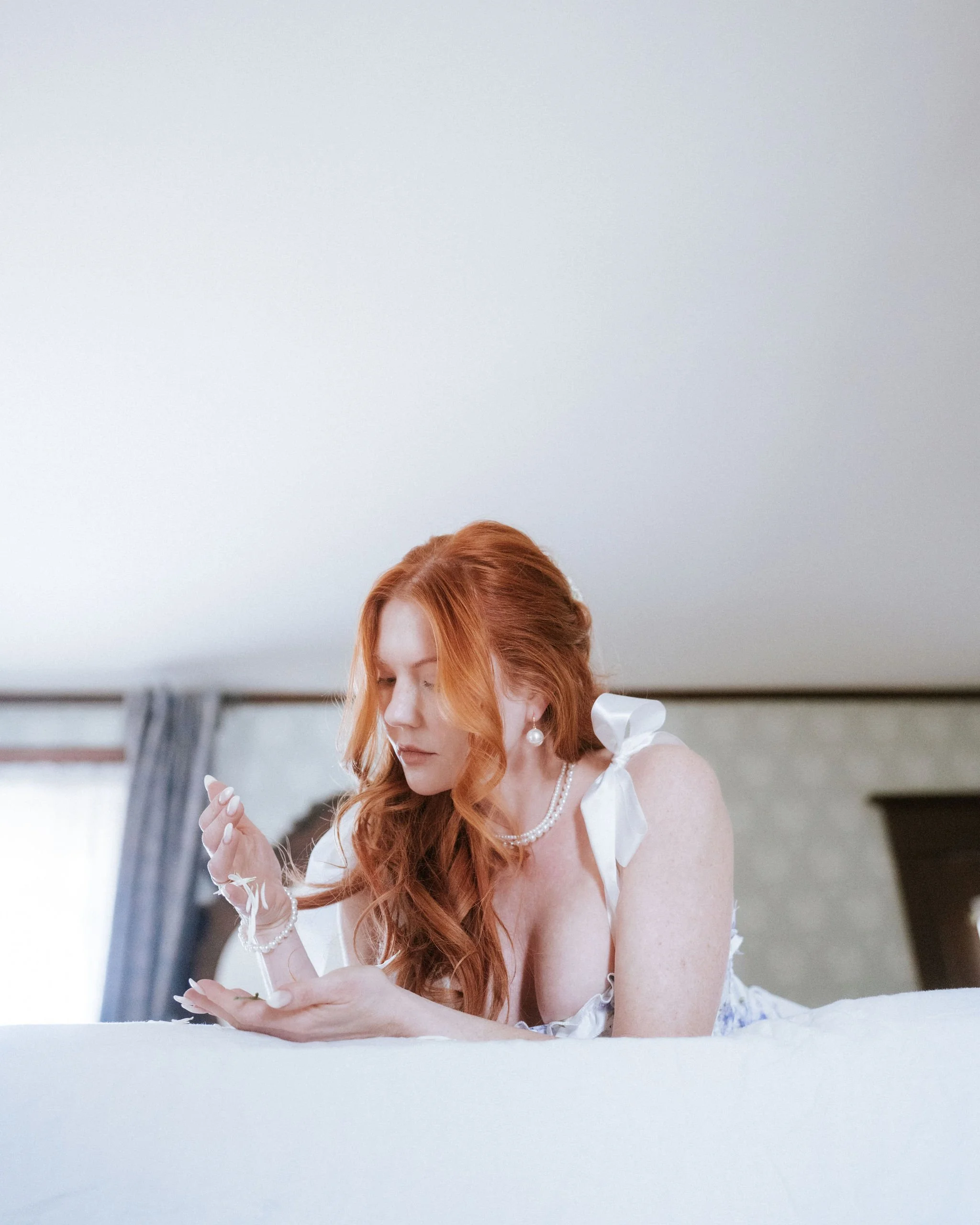
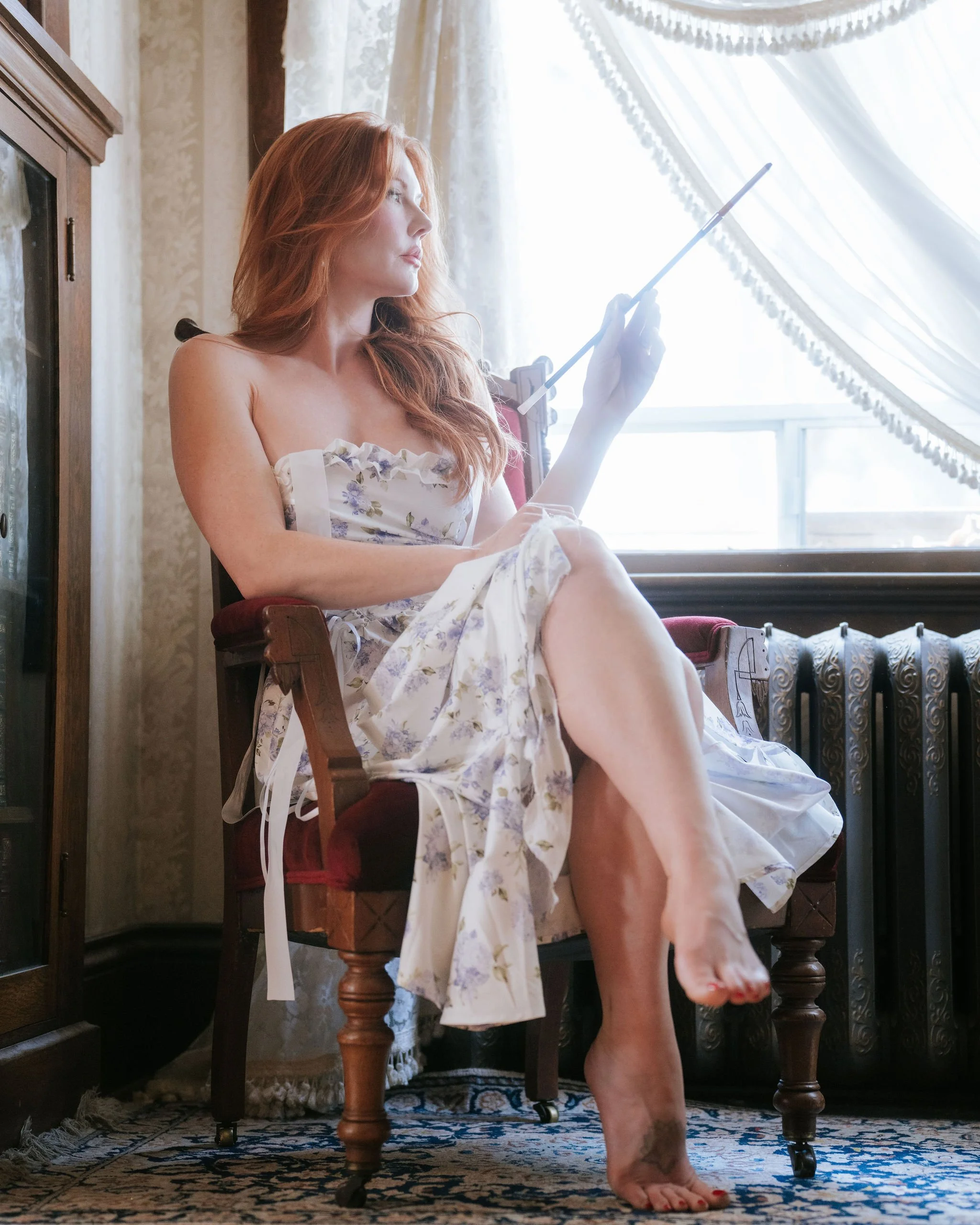
I. RESTRAINT
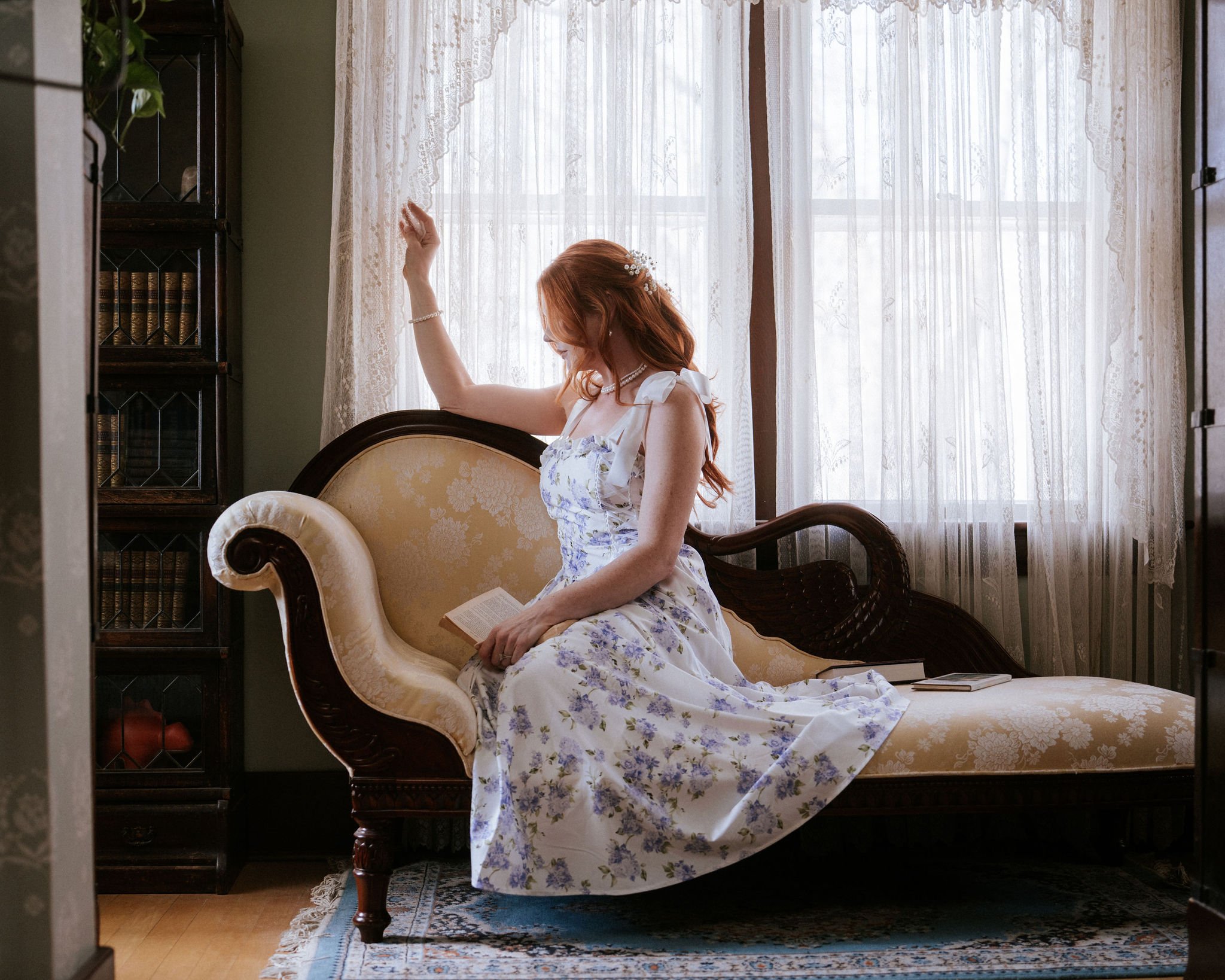
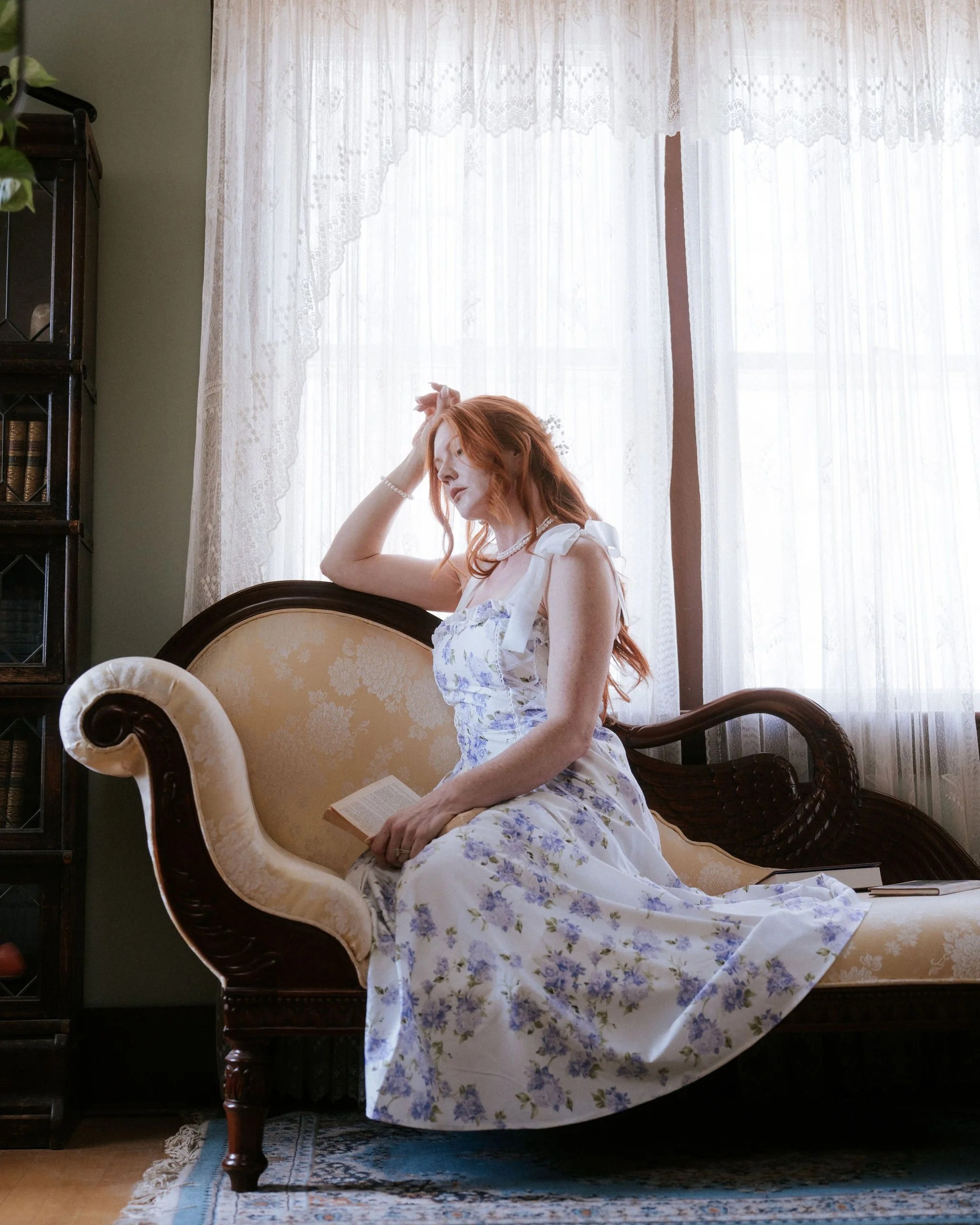
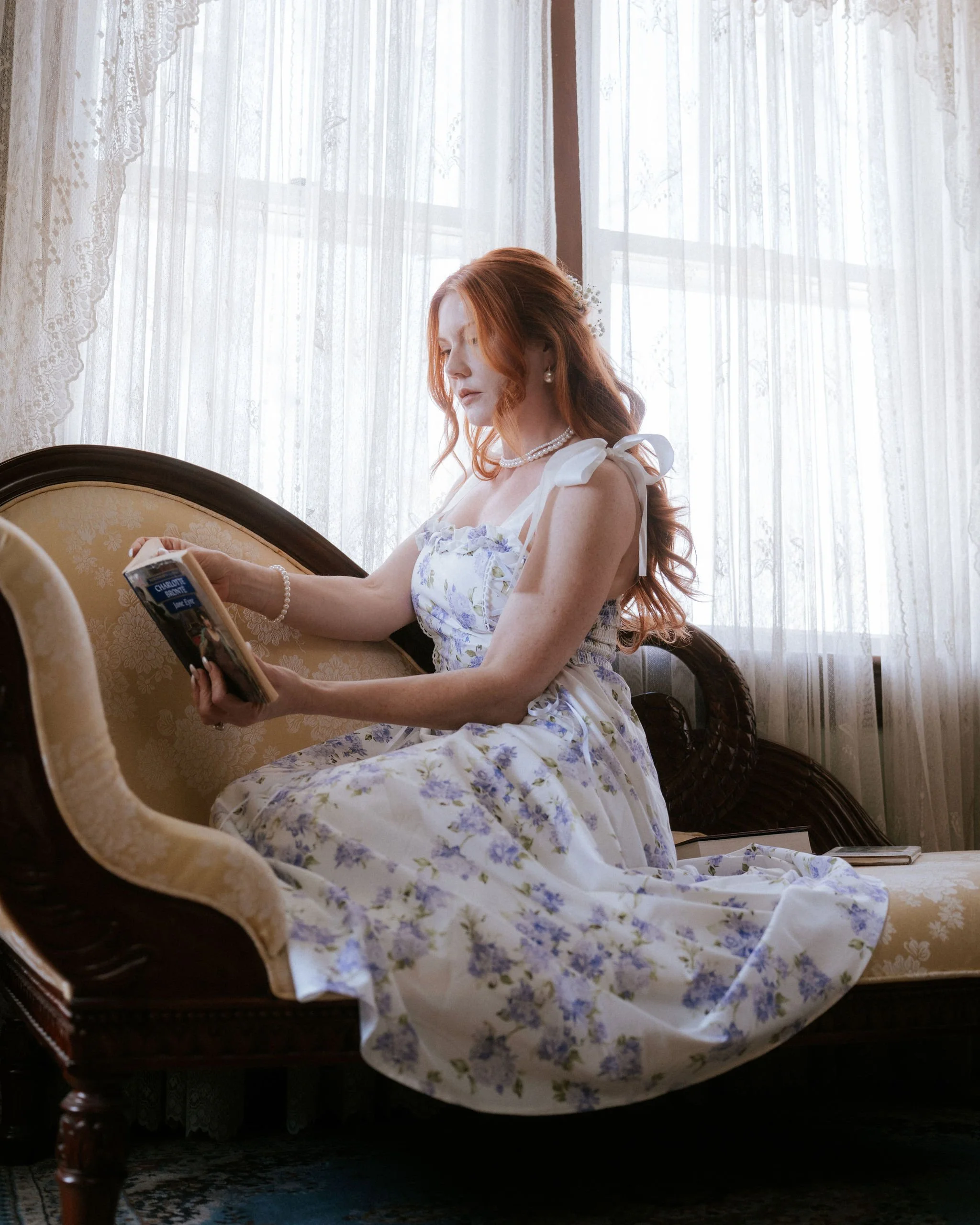
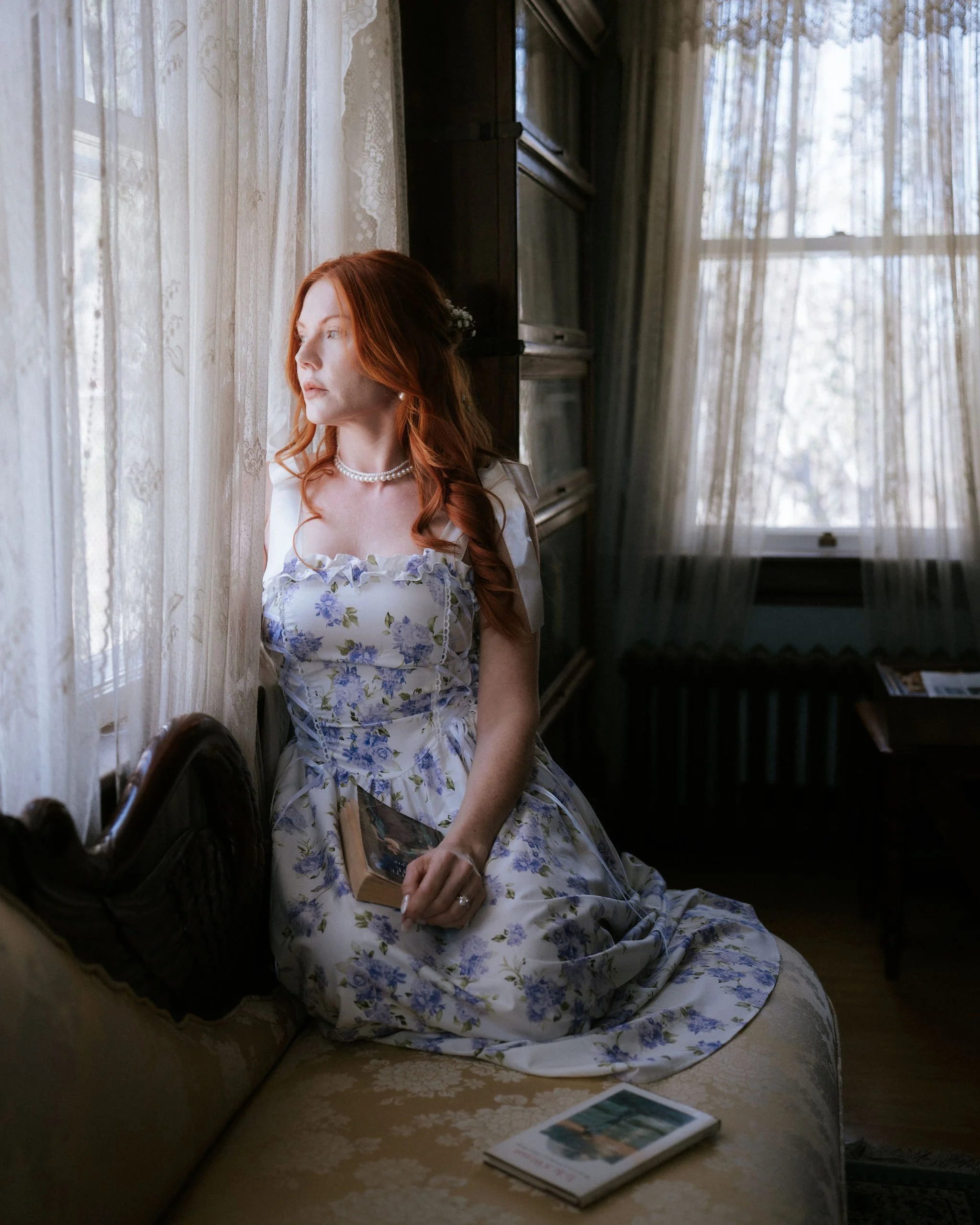
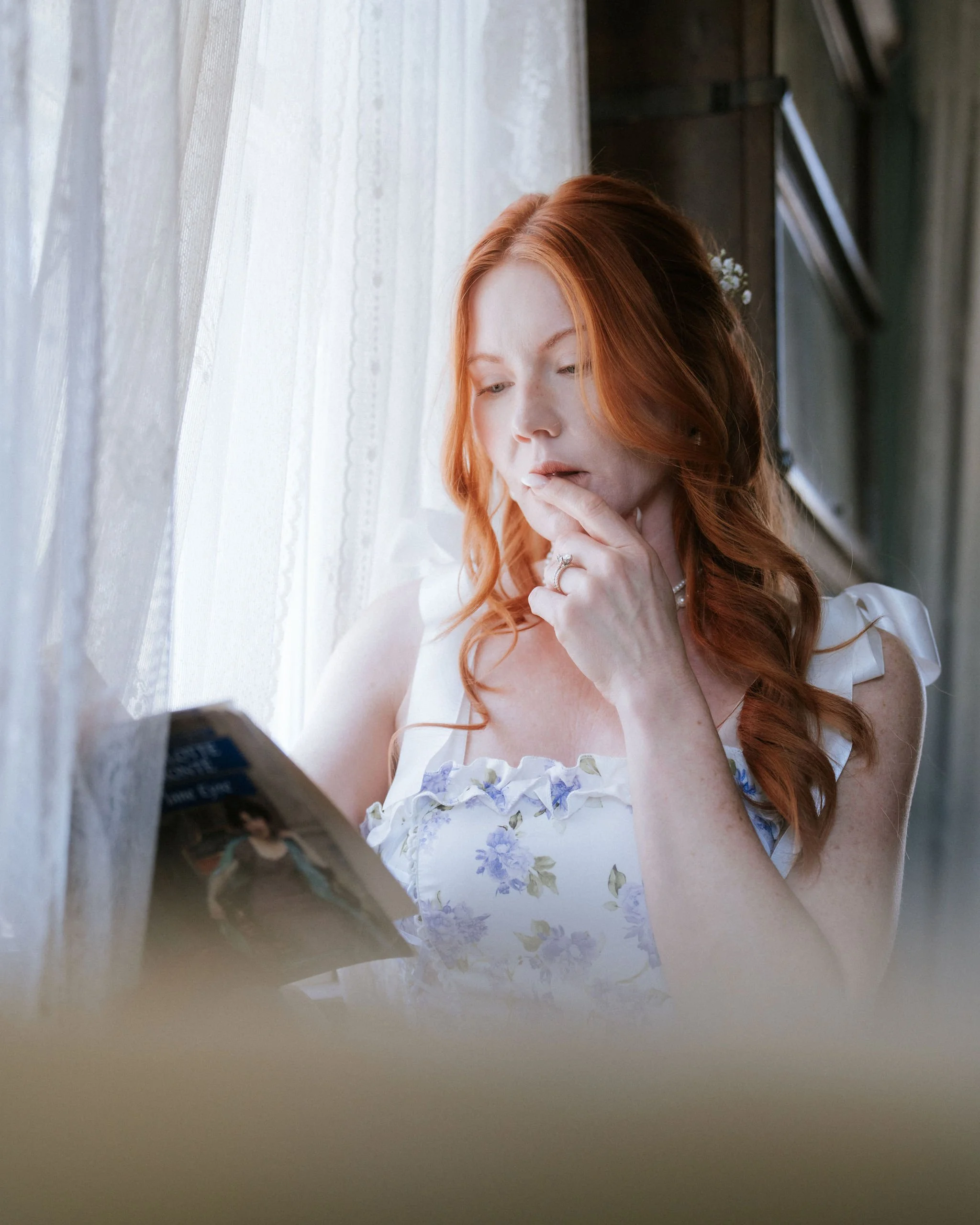
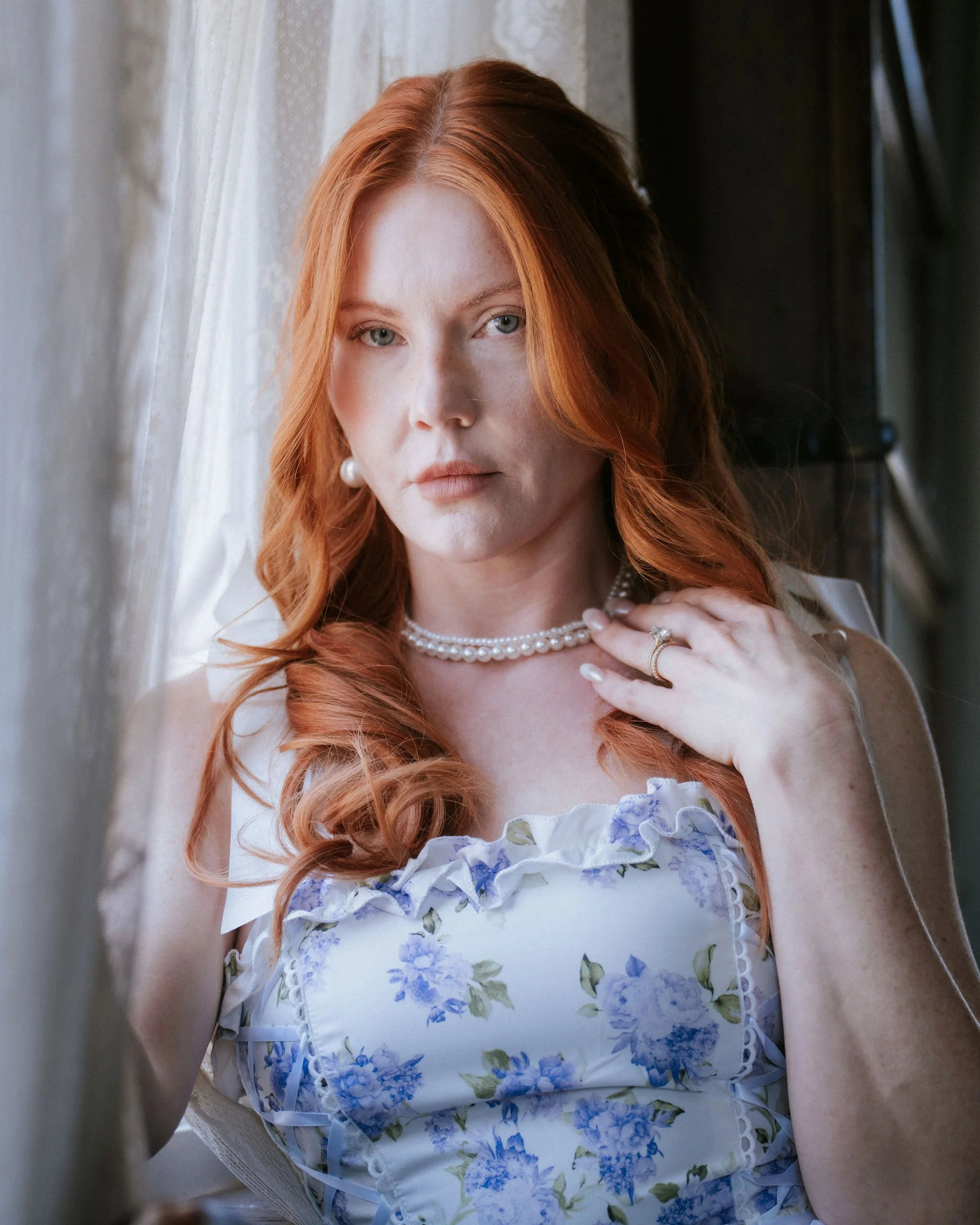
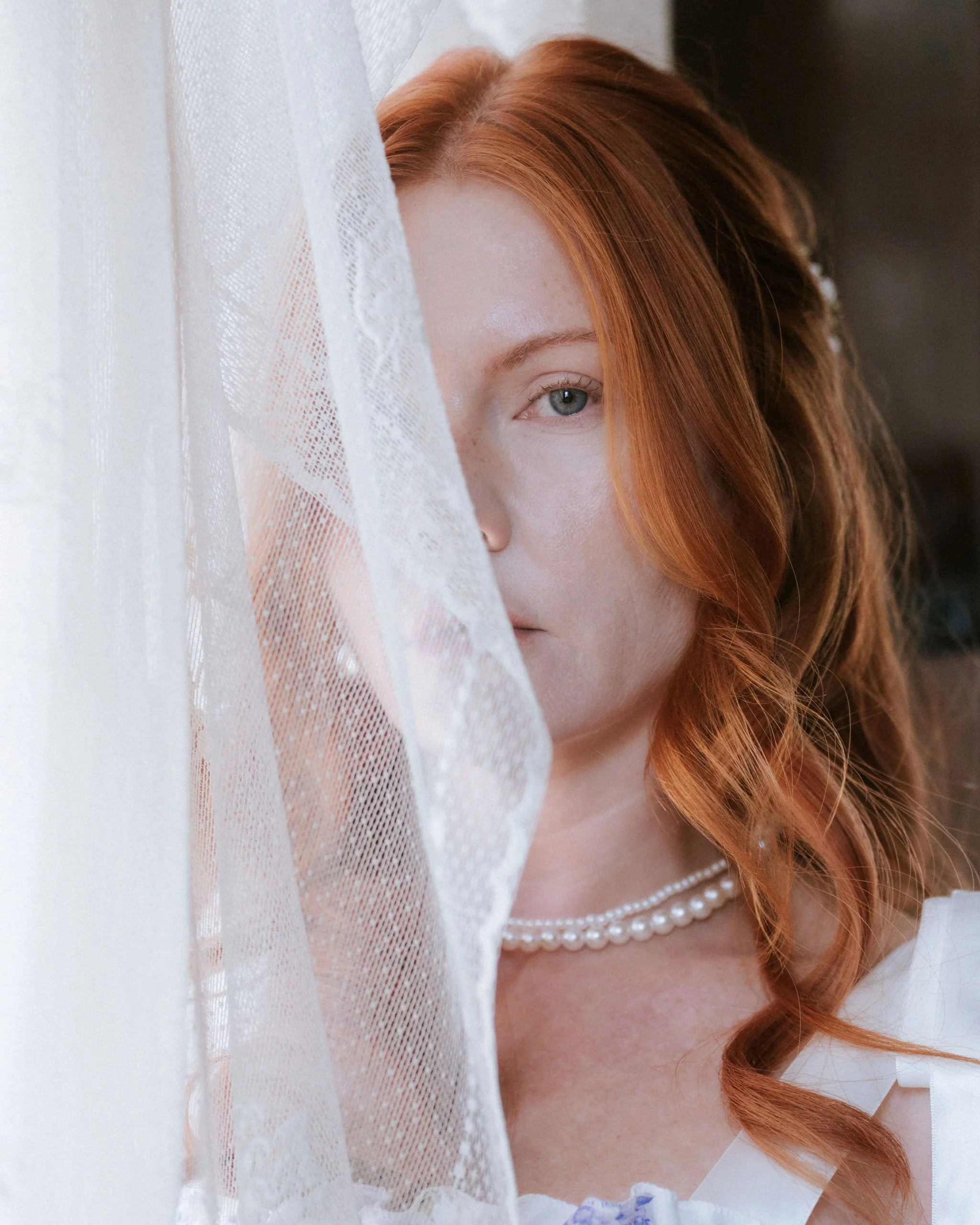
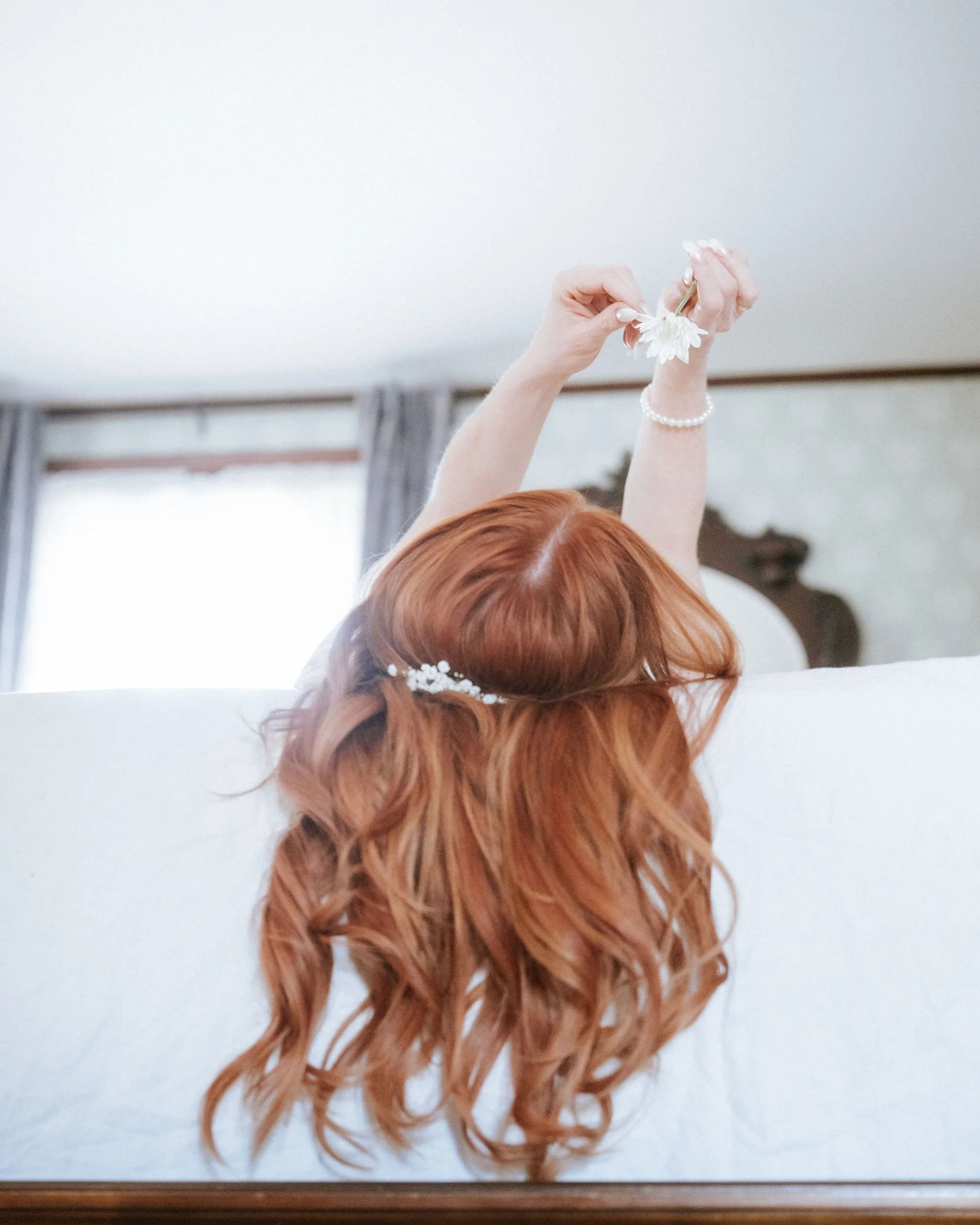
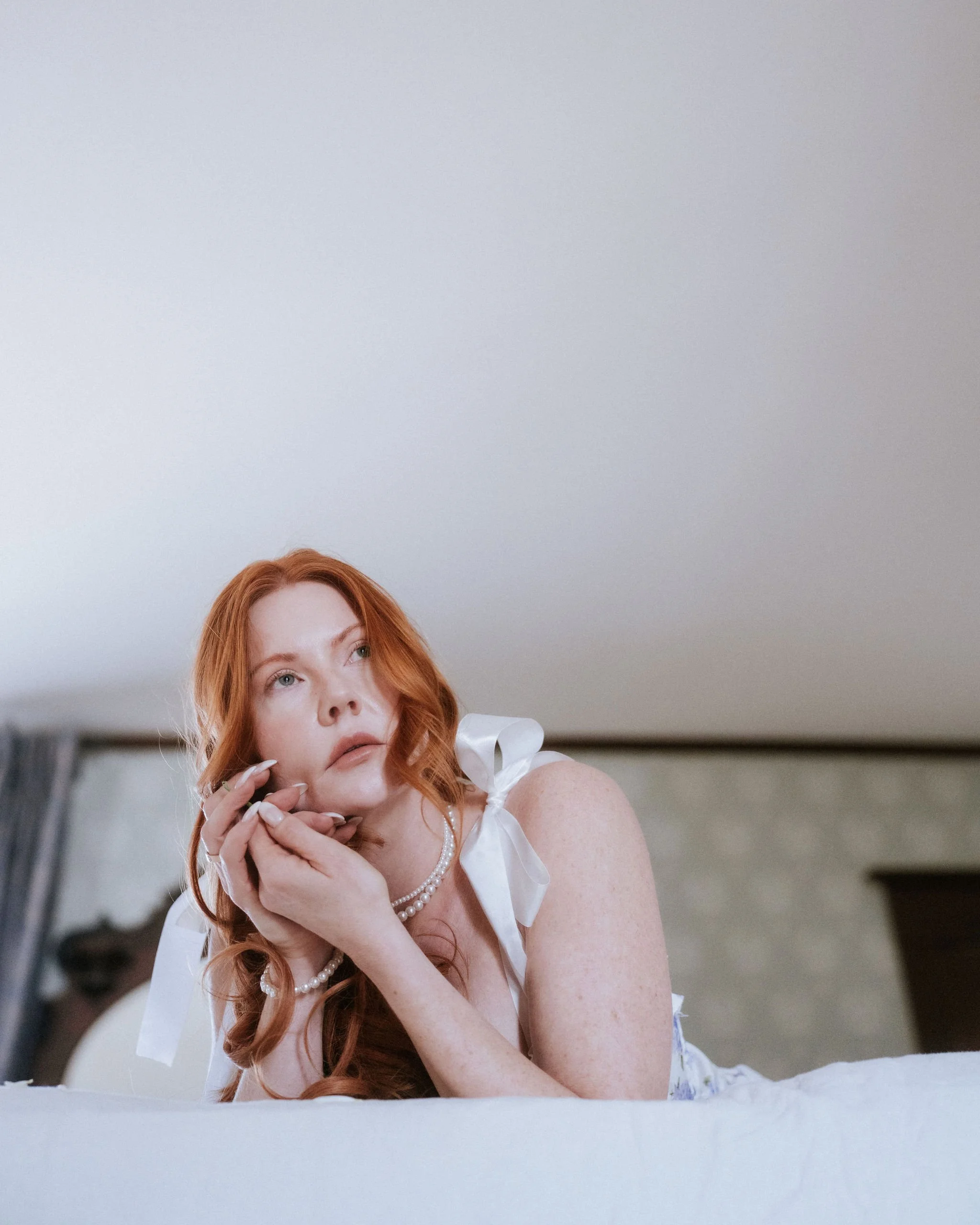
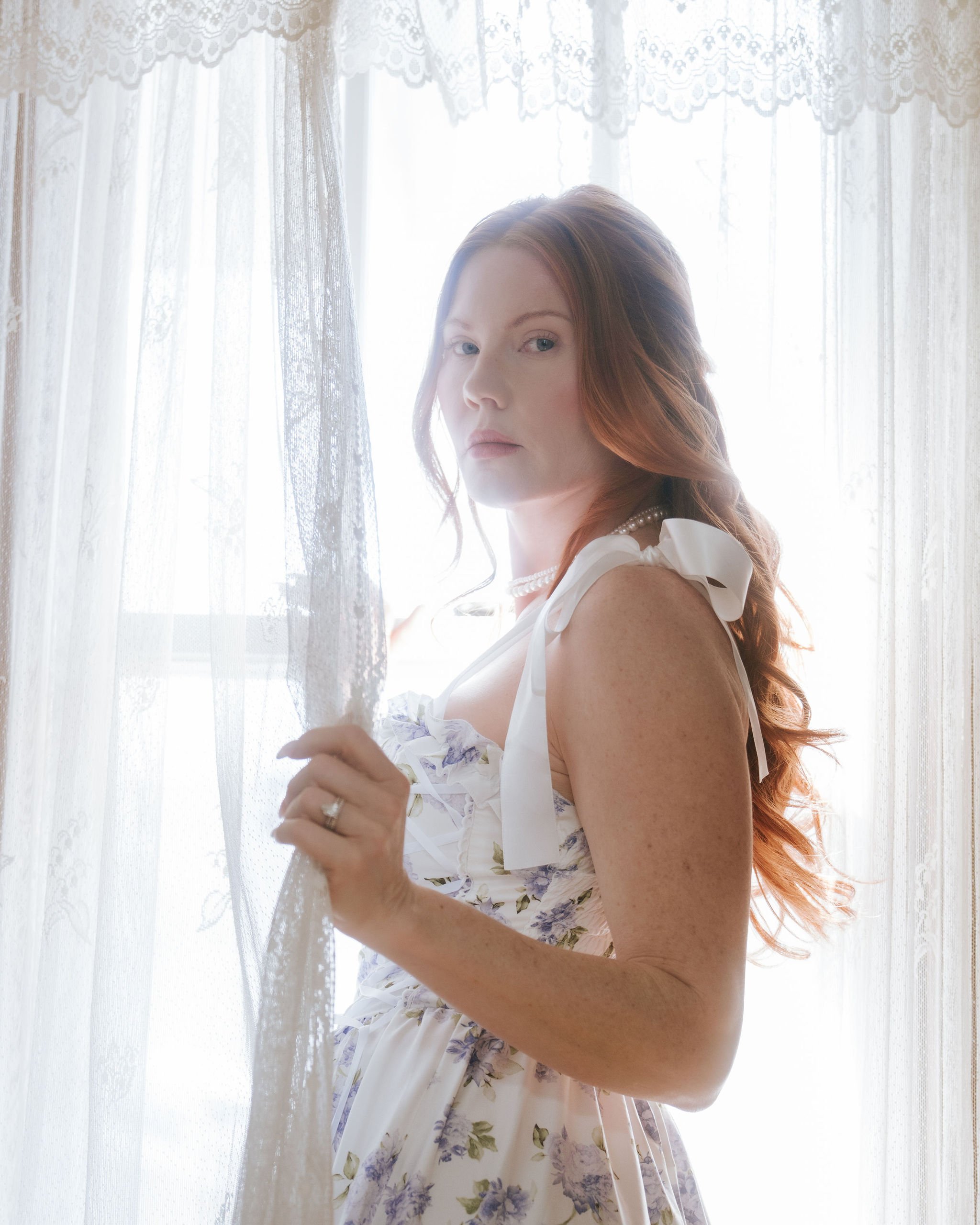
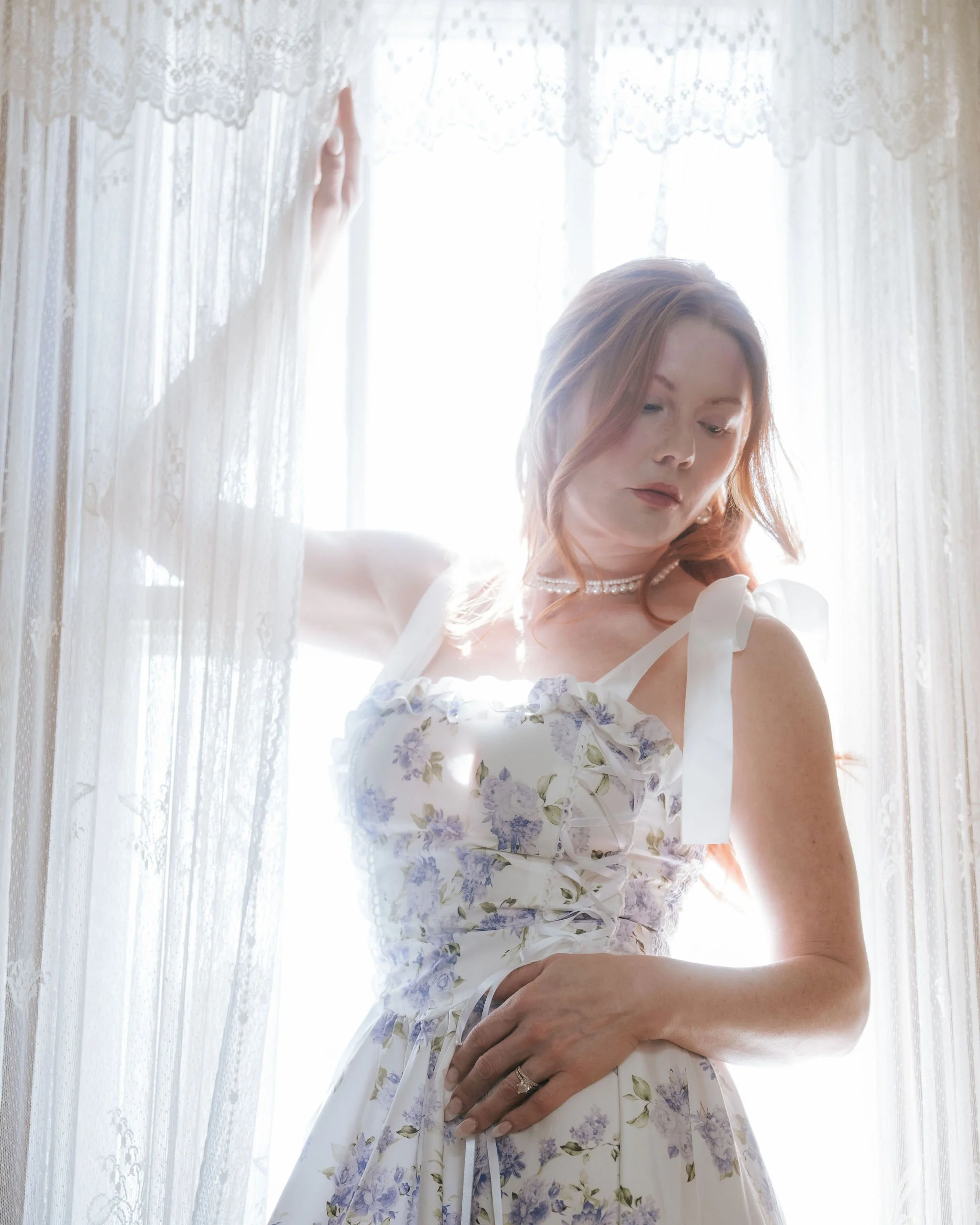
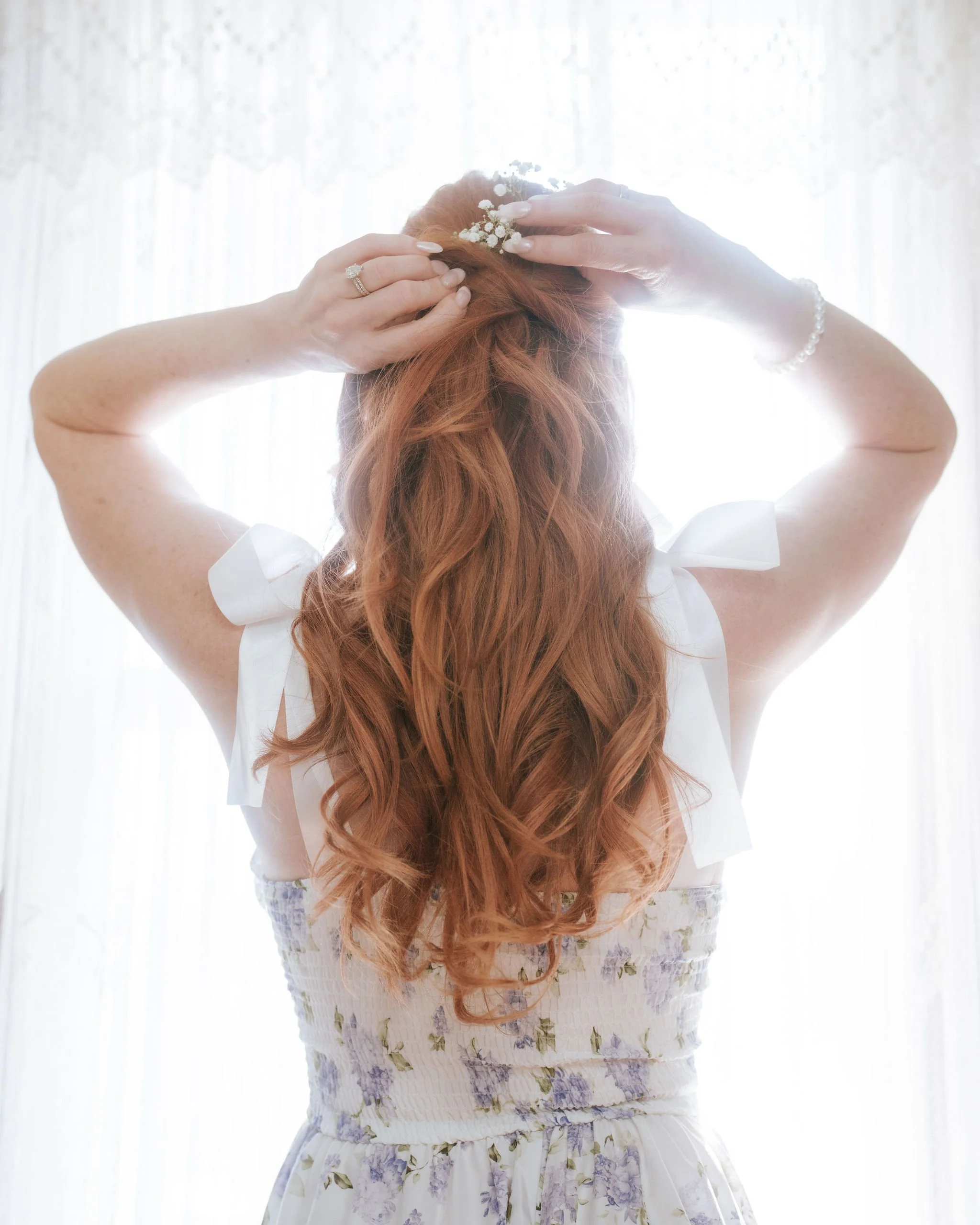
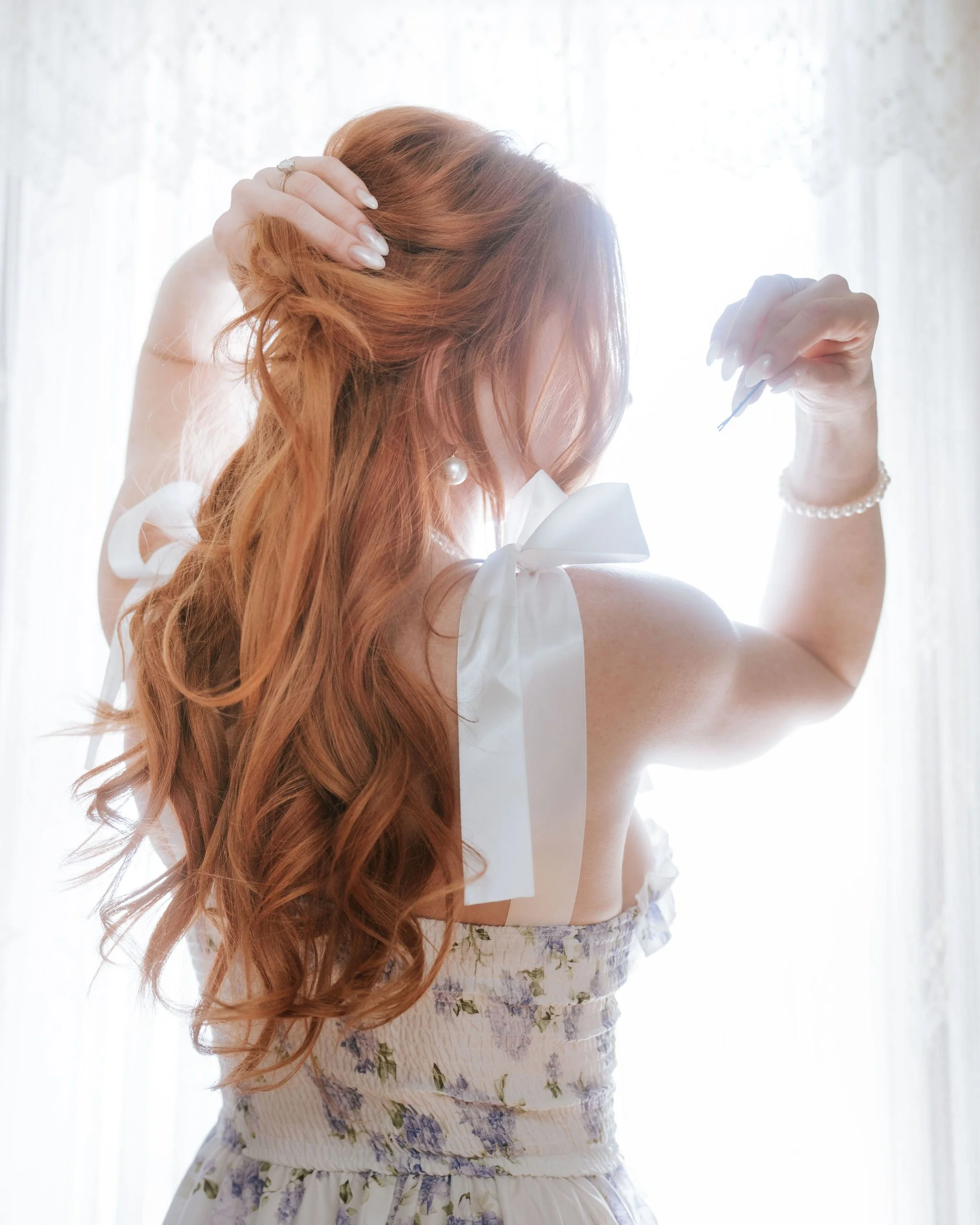
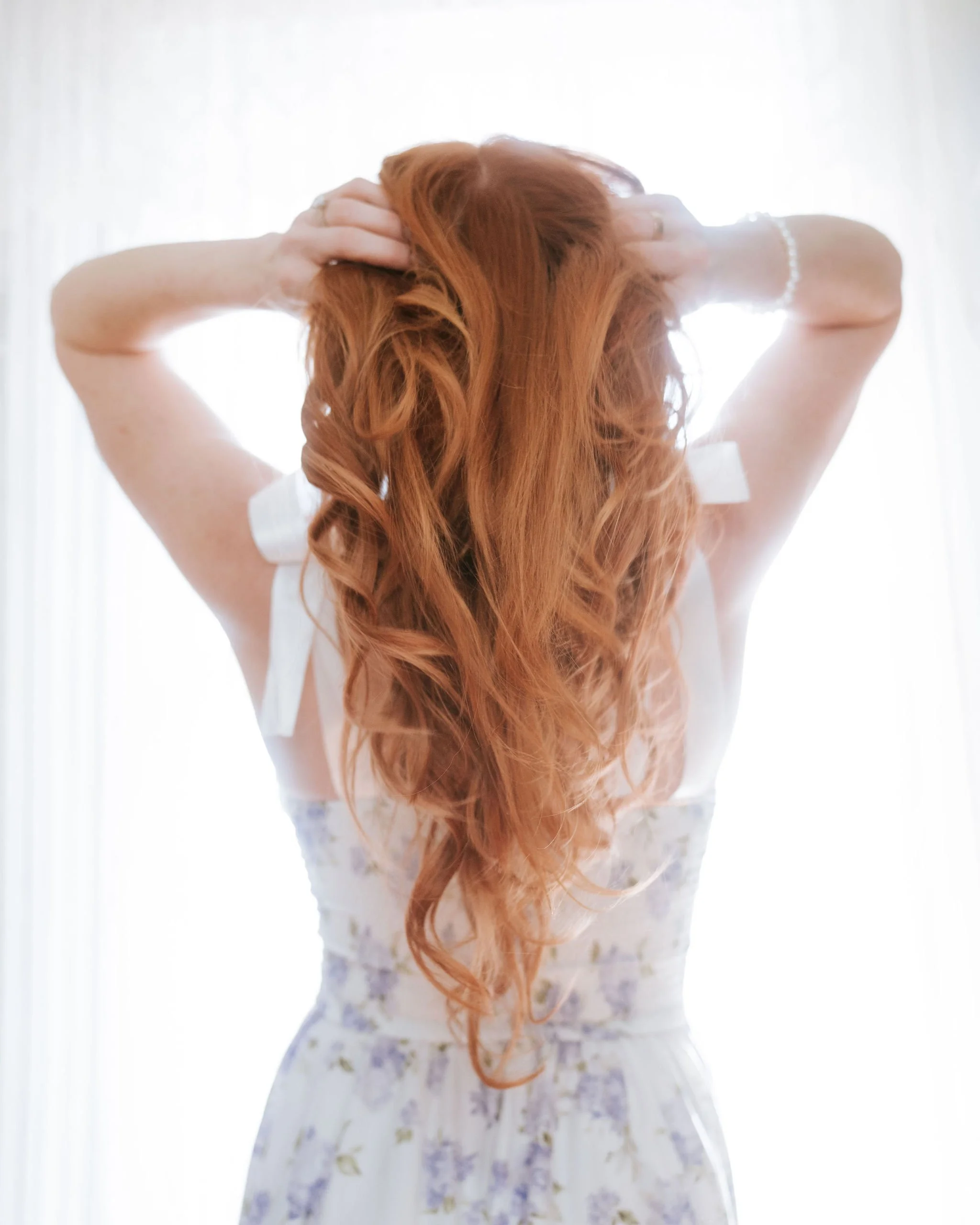
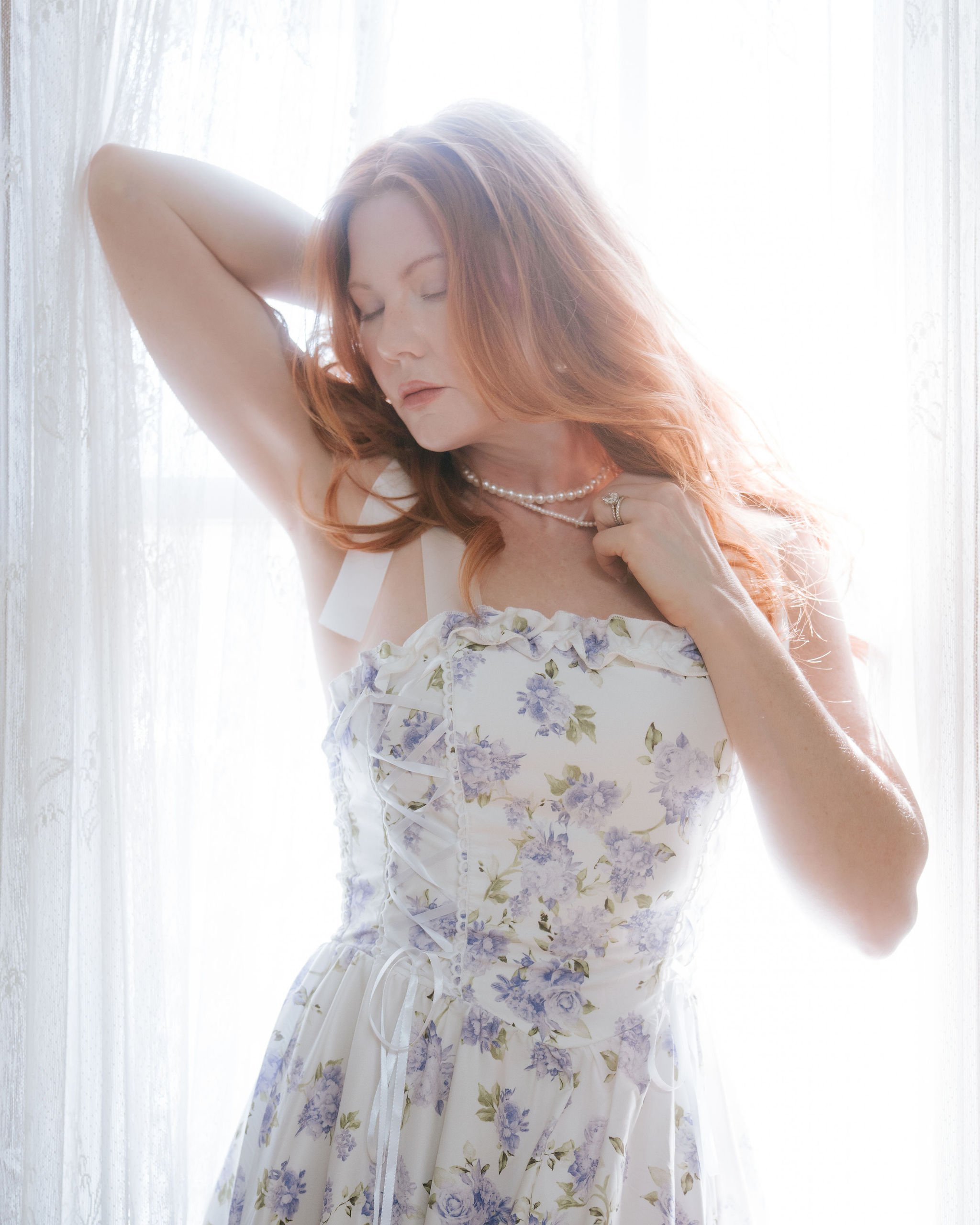
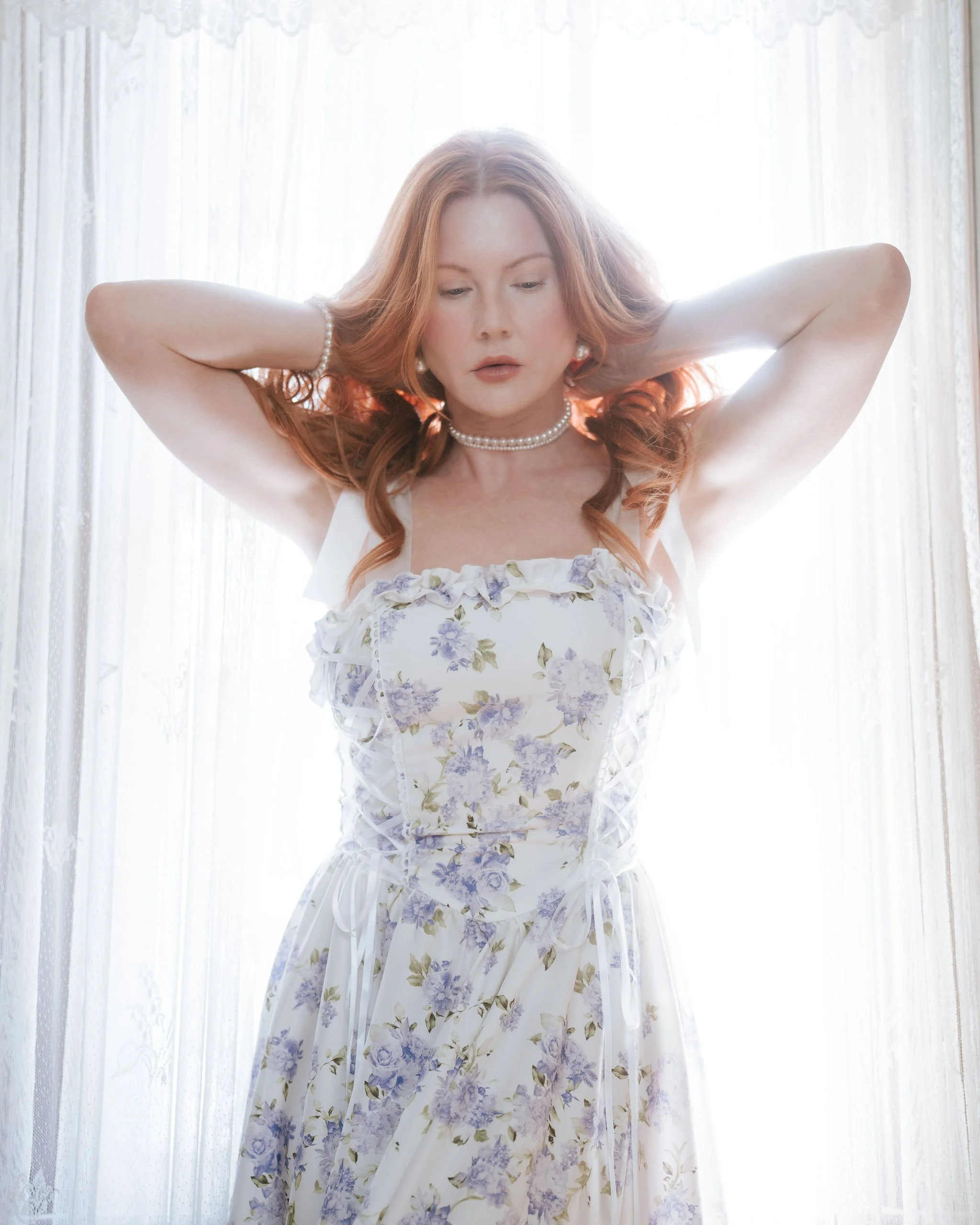
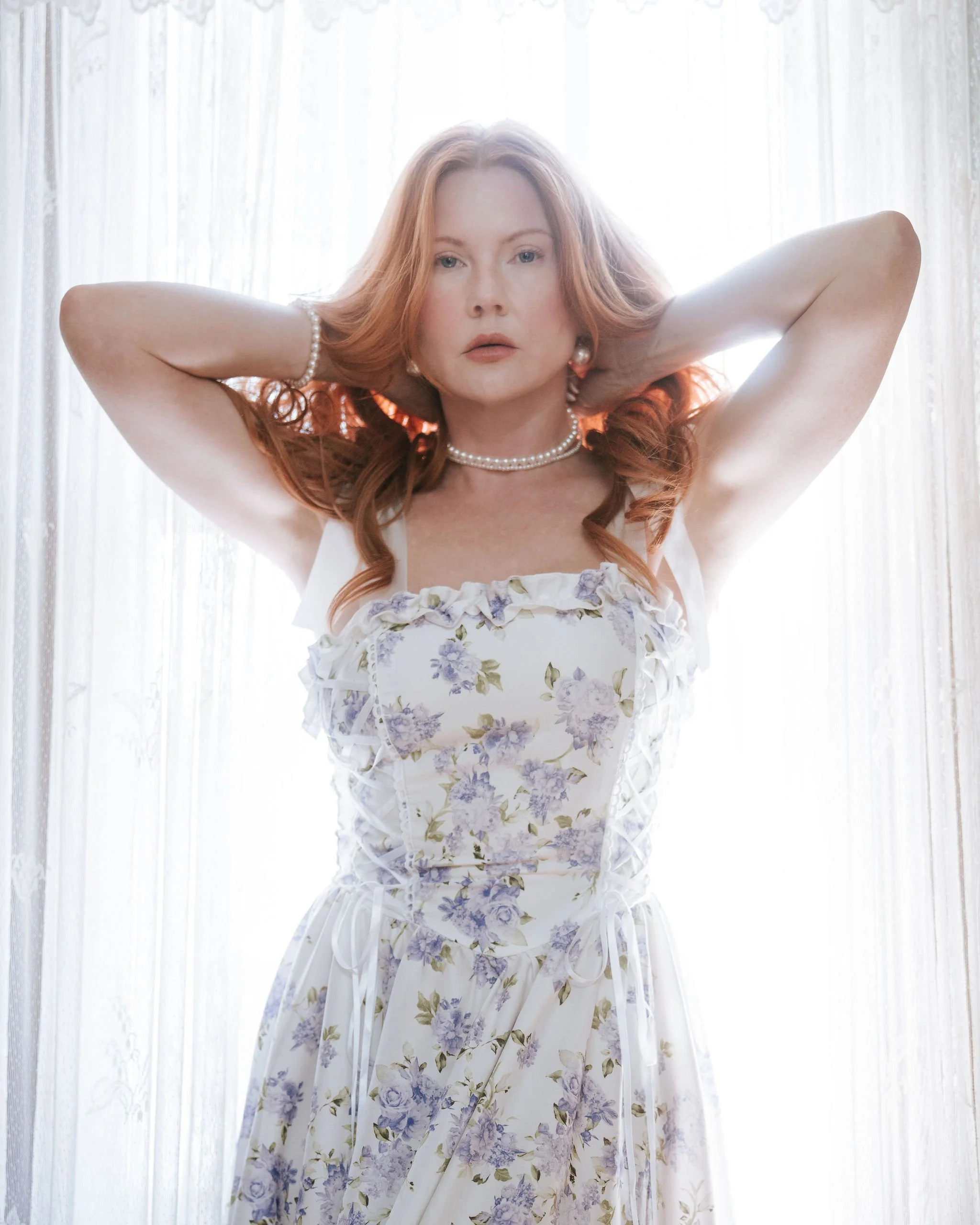
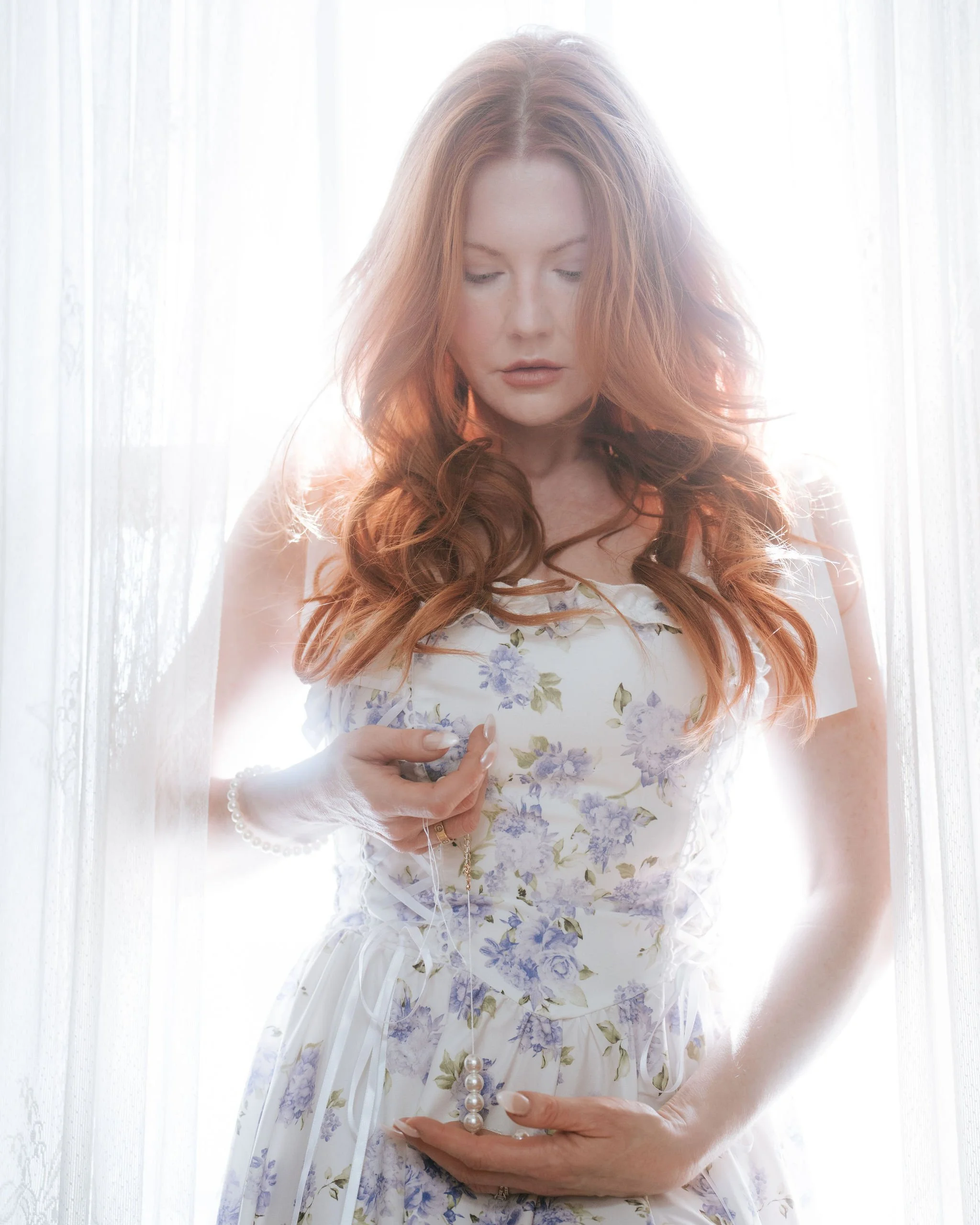
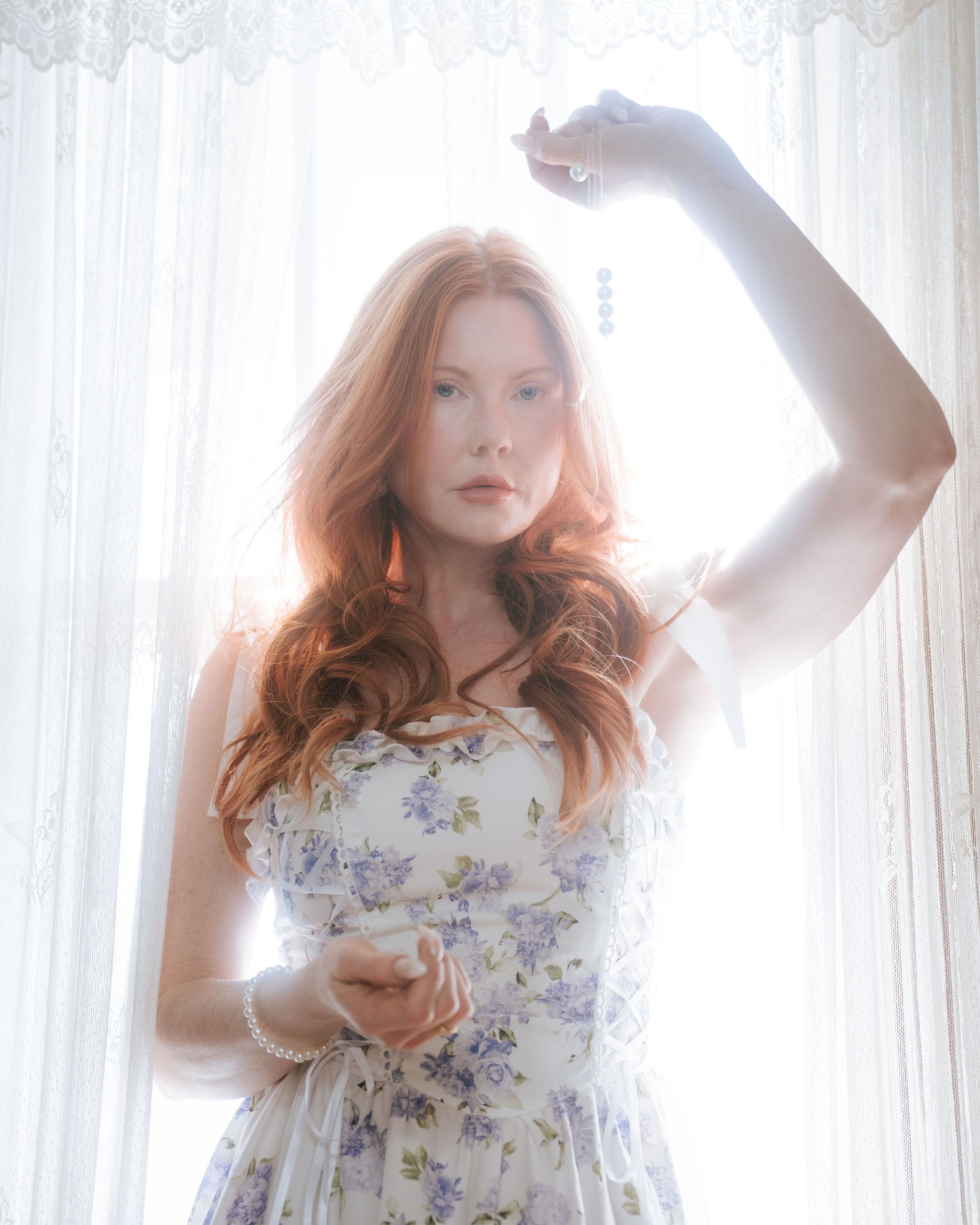
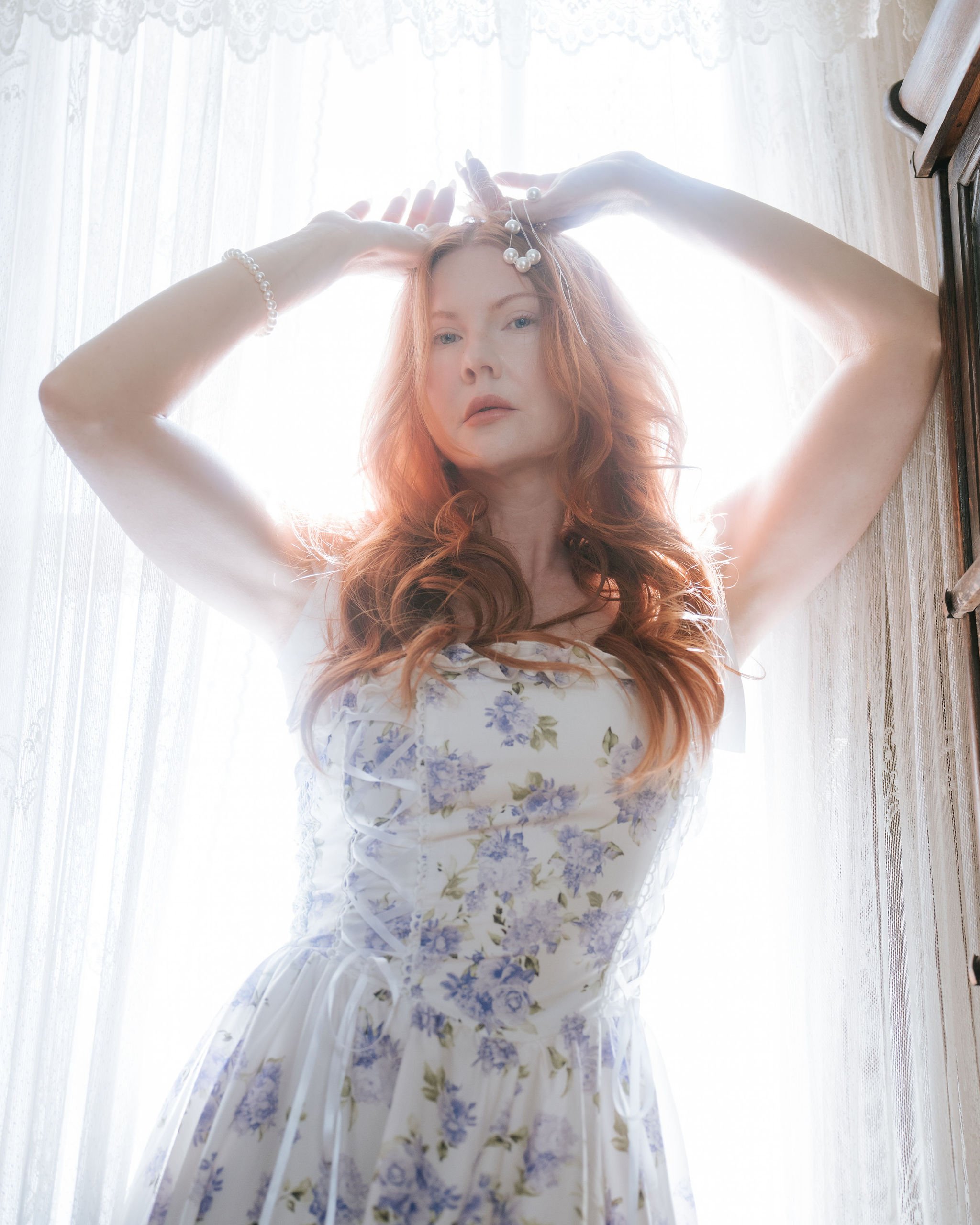
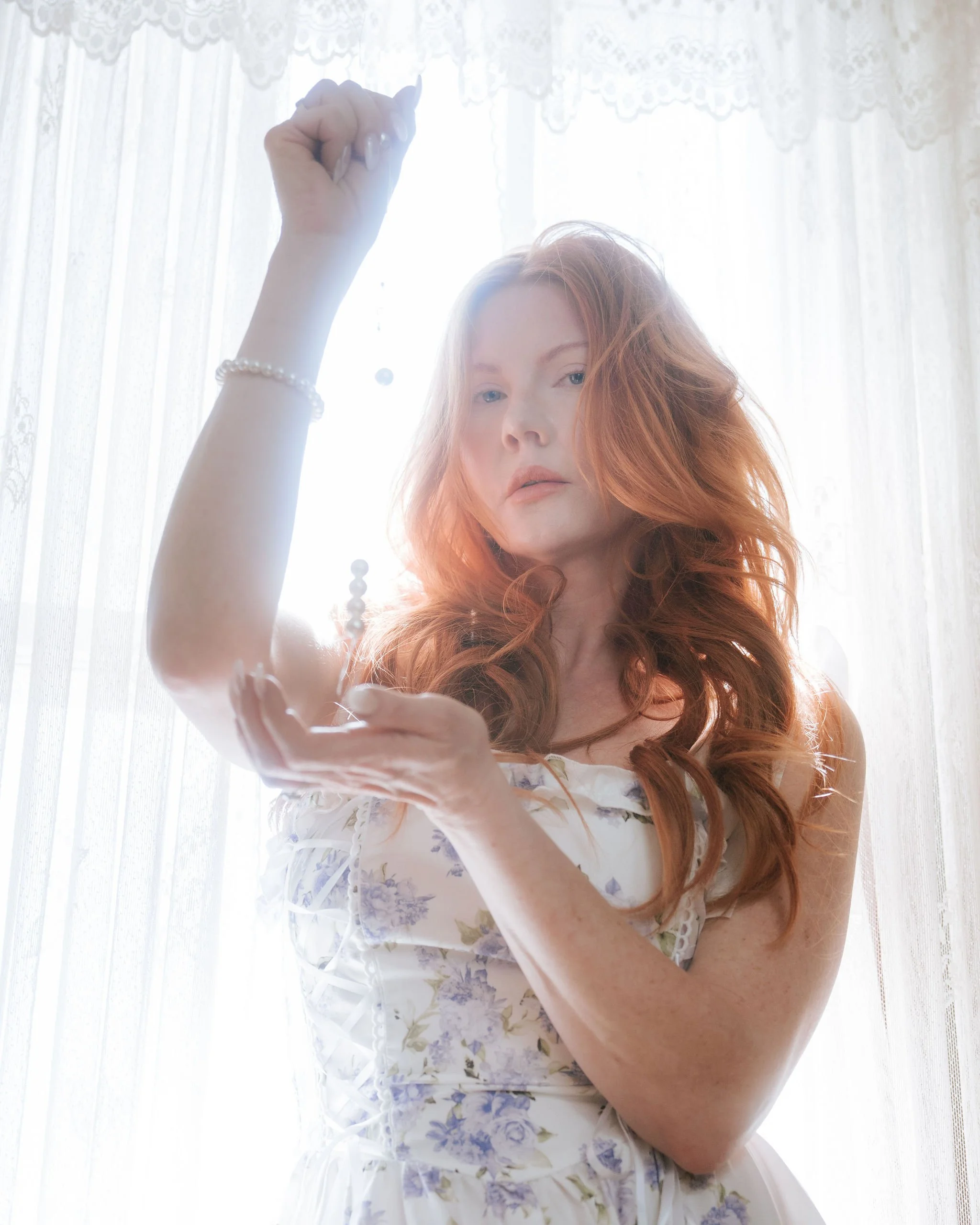
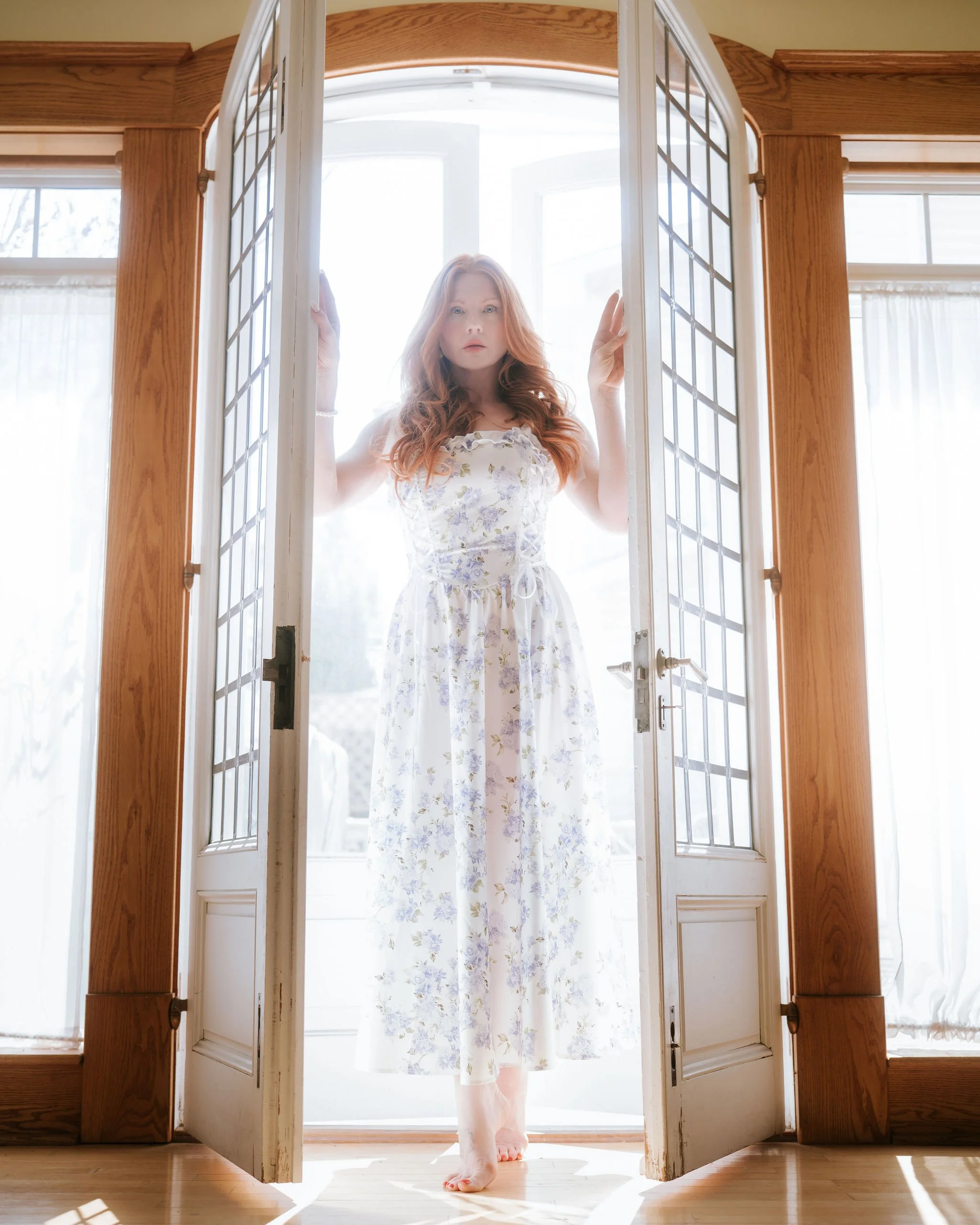
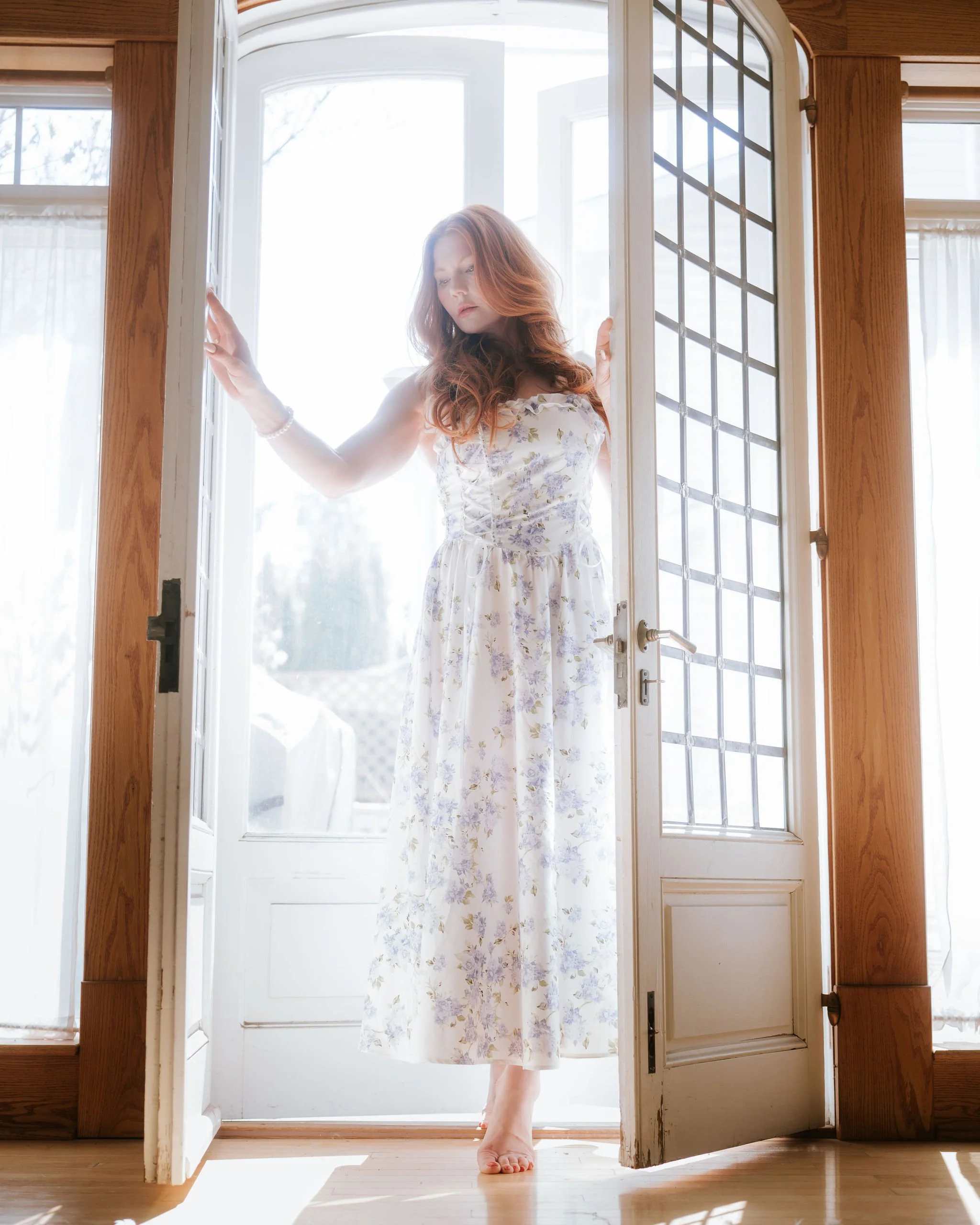
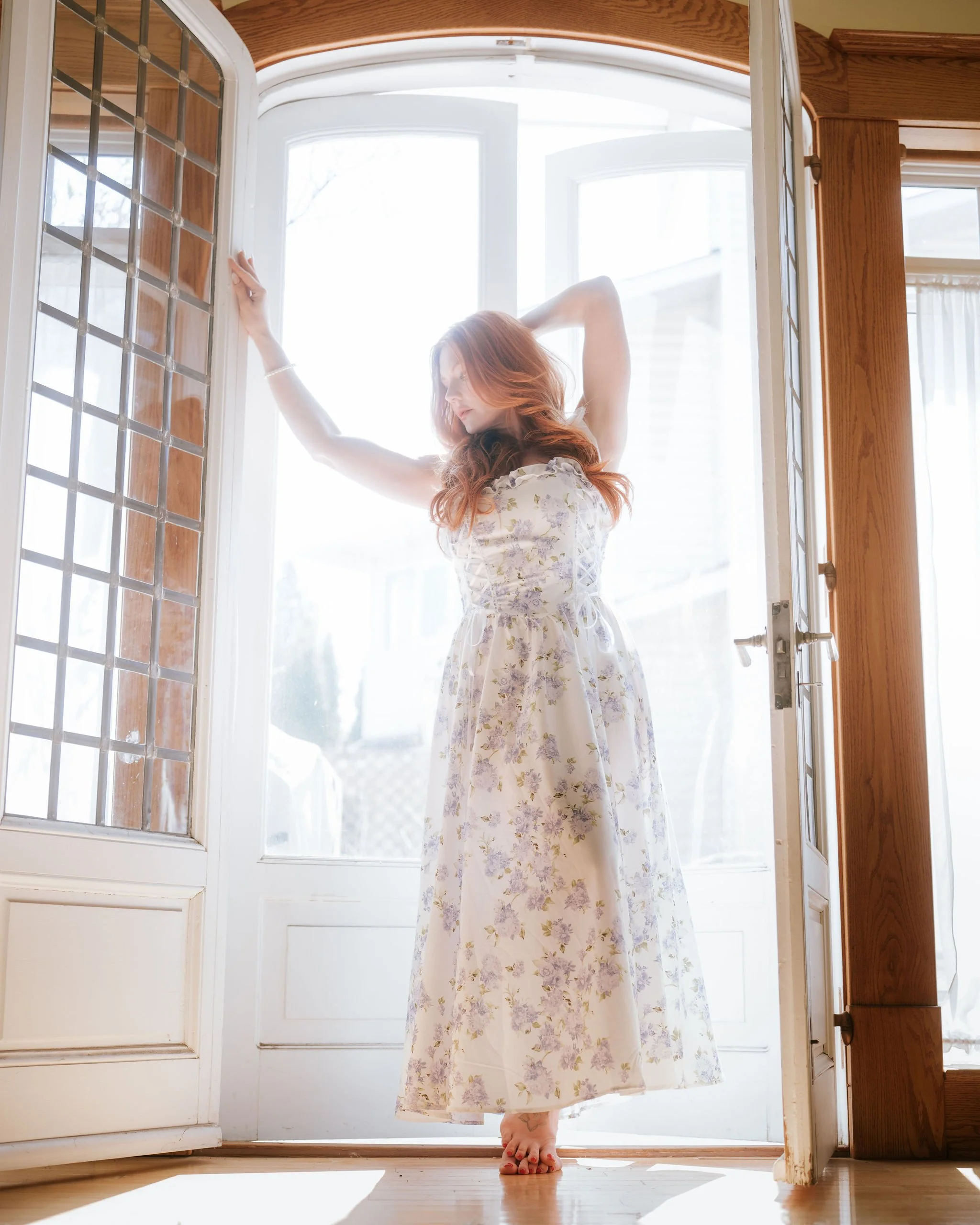
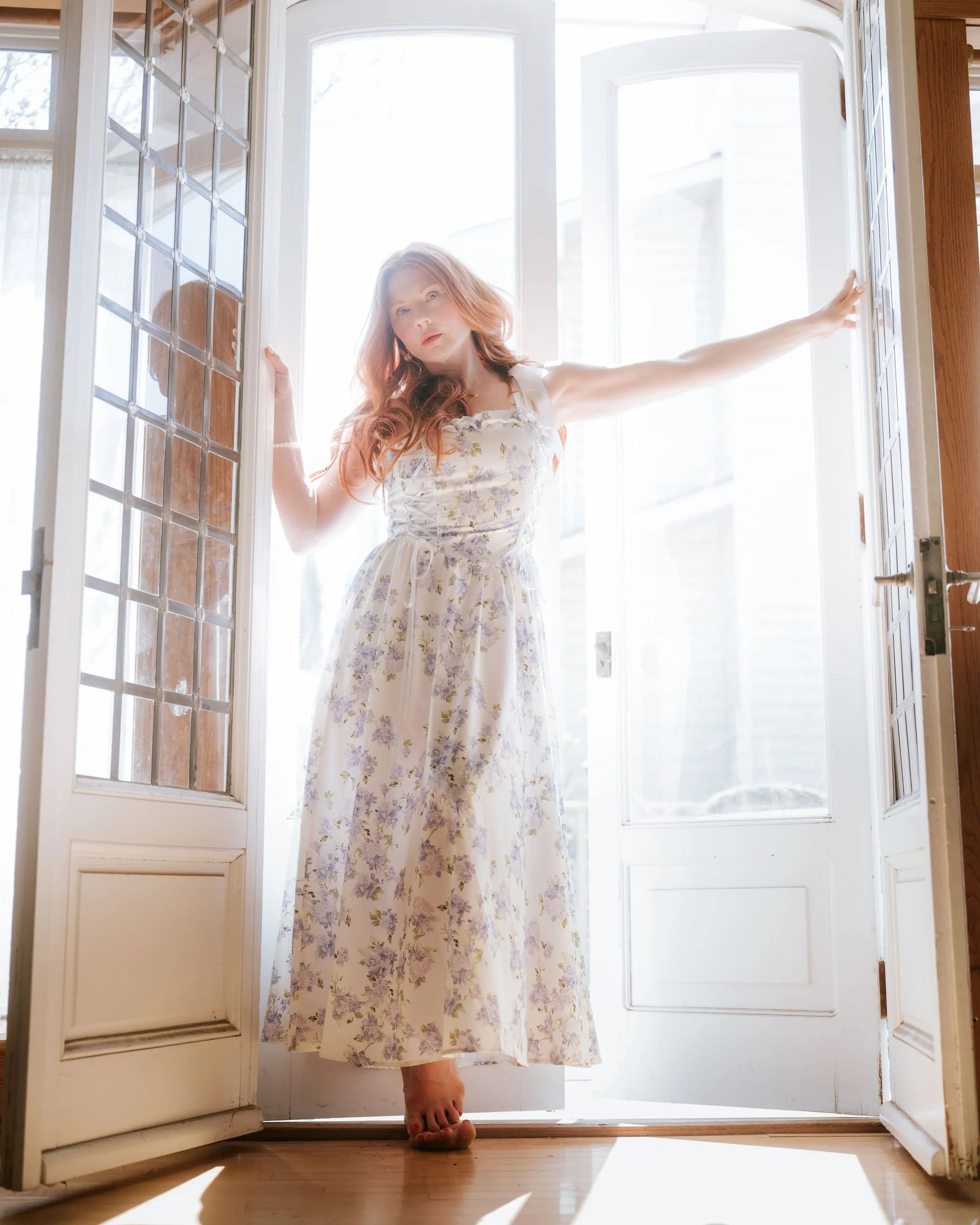
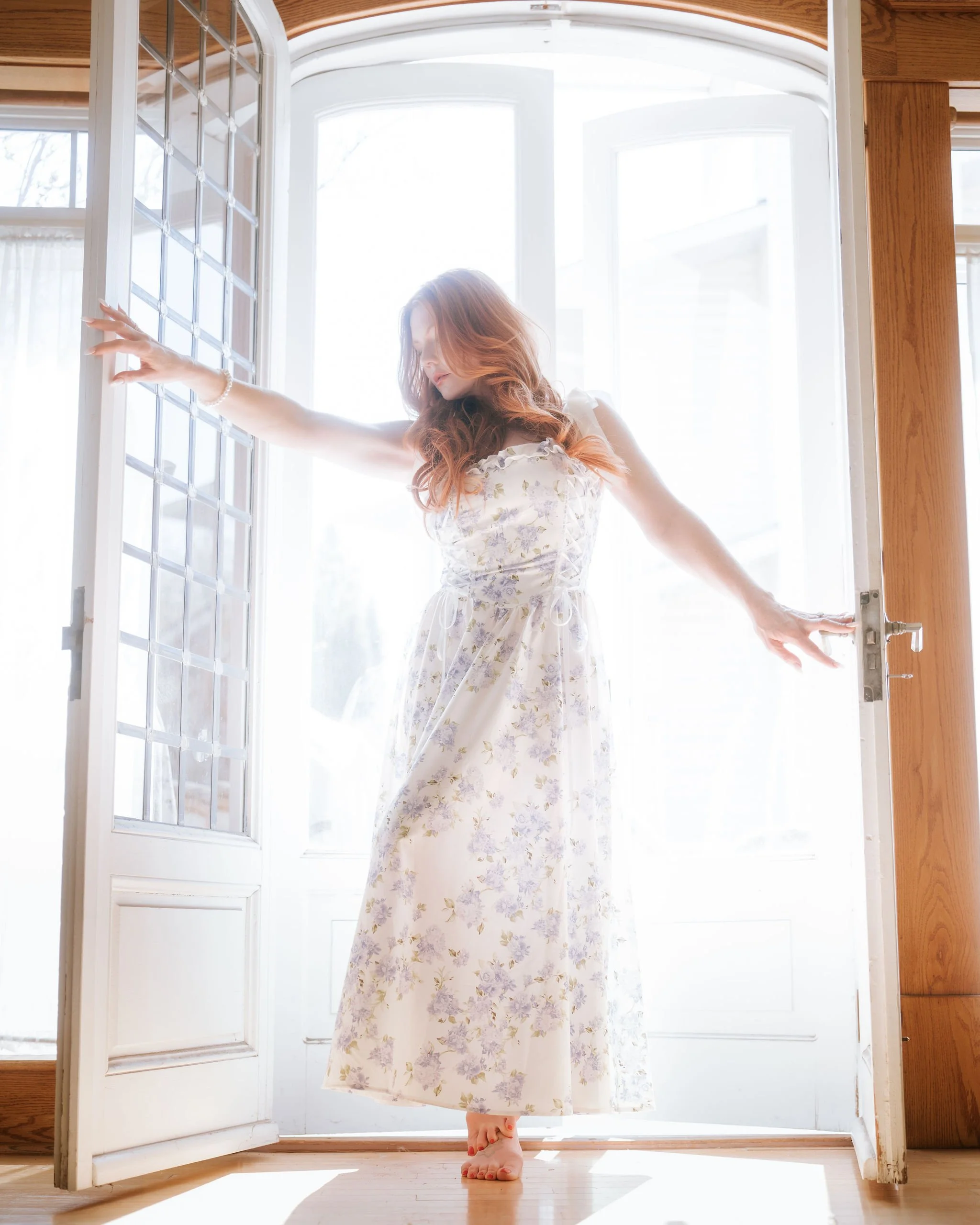
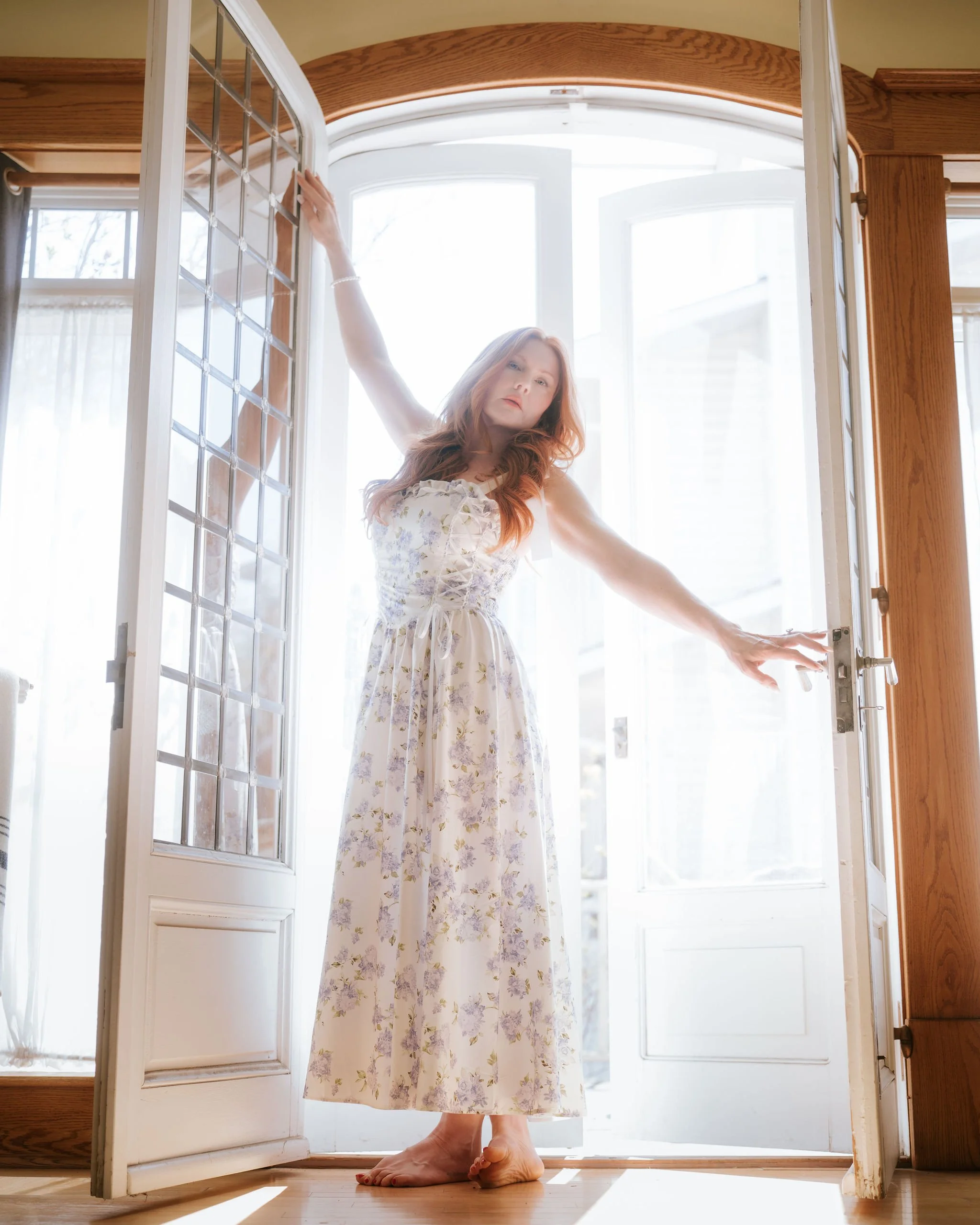
Her story begins in restraint.
She is composed, contained and largely untouched.
At this point, beauty is not yet being used as expression. Her appearance reflects the expectations surrounding her: controlled, respectable and unobtrusive.
The visual language is intentionally quiet.
Because transformation means very little if we do not first understand what is holding someone still.
II. THE CAGE
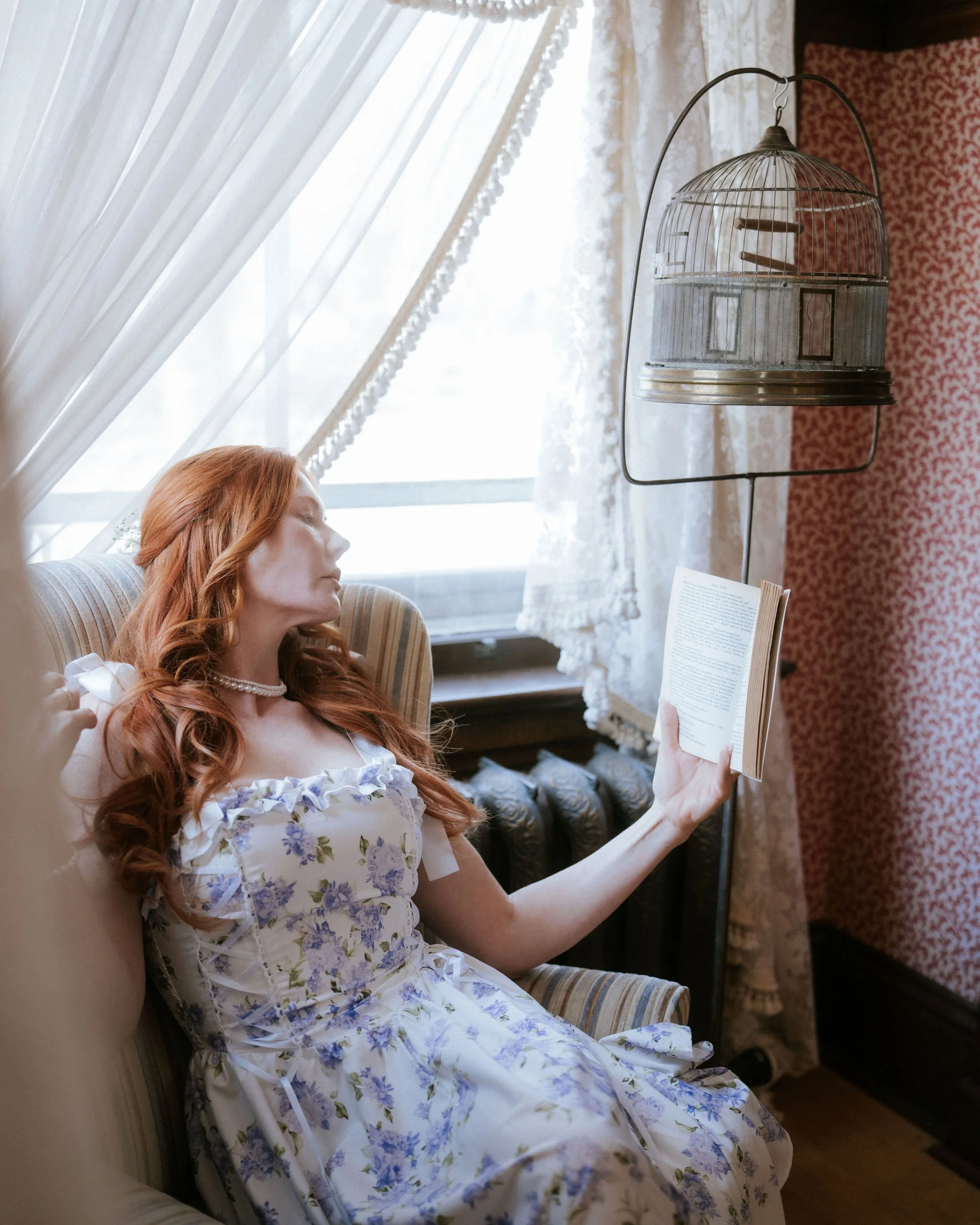
Nothing within the imagery exists solely for decoration.
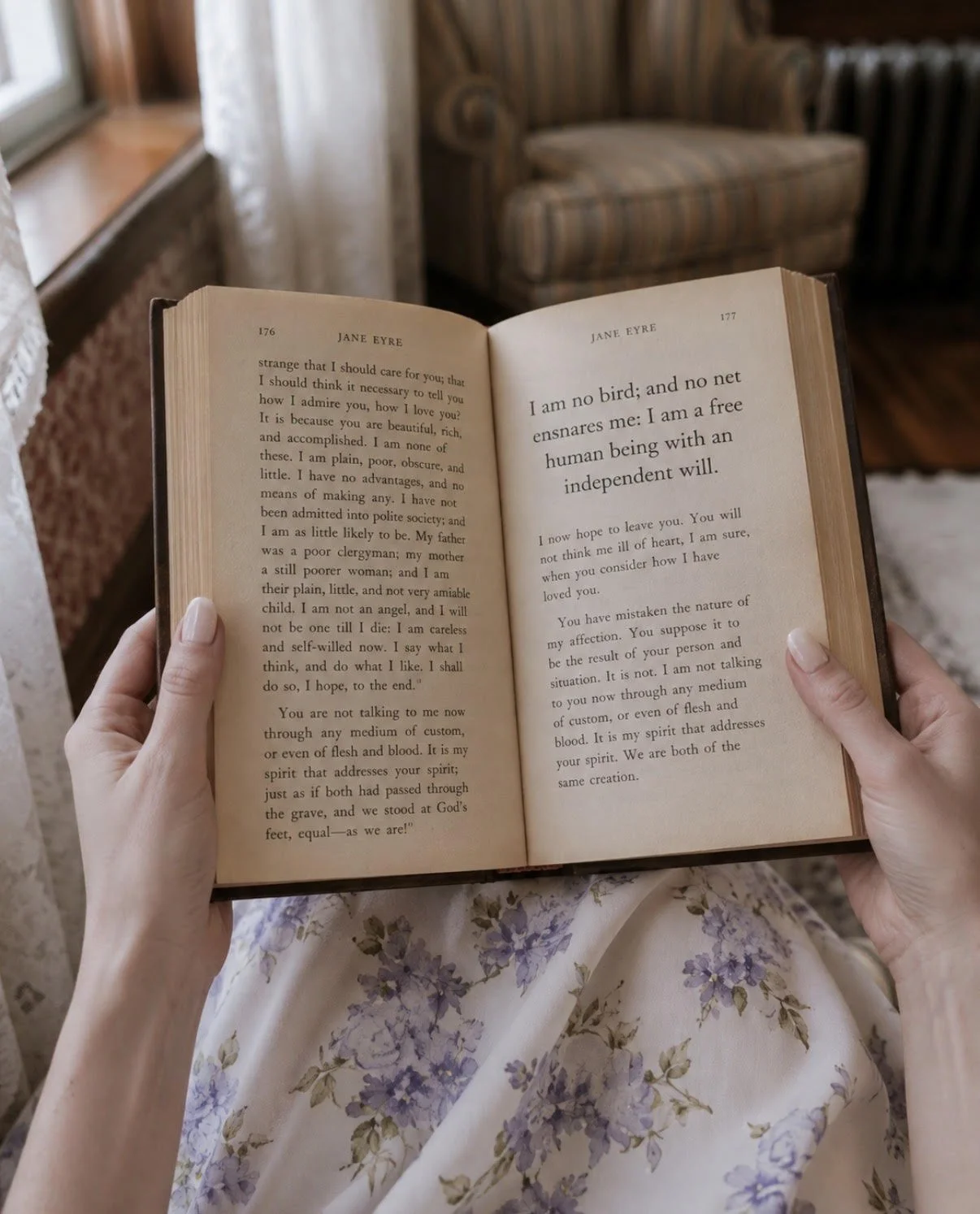
The inclusion of Jane Eyre brings the underlying tension of her experience into sharper focus. Its words echo the same struggle between confinement and autonomy unfolding within the imagery.
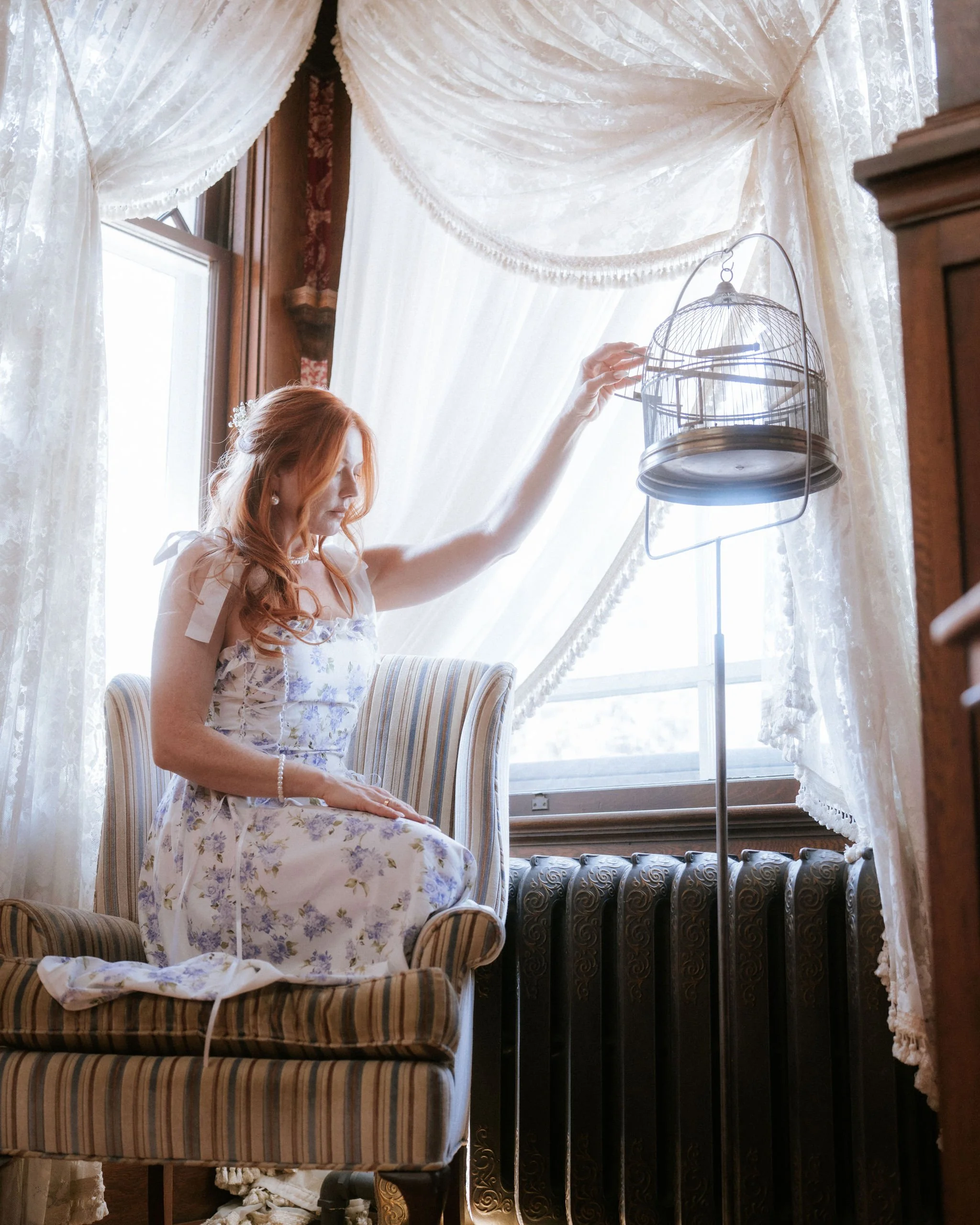
The birdcage represents containment: the expectations, conventions and invisible boundaries that determine how a woman is permitted to exist.
At first, the cage reinforces restraint.
But later through this series, something important happens.
The structure may remain.
Her relationship to it does not.
The cage becomes less powerful as she becomes increasingly willing to define herself beyond it.
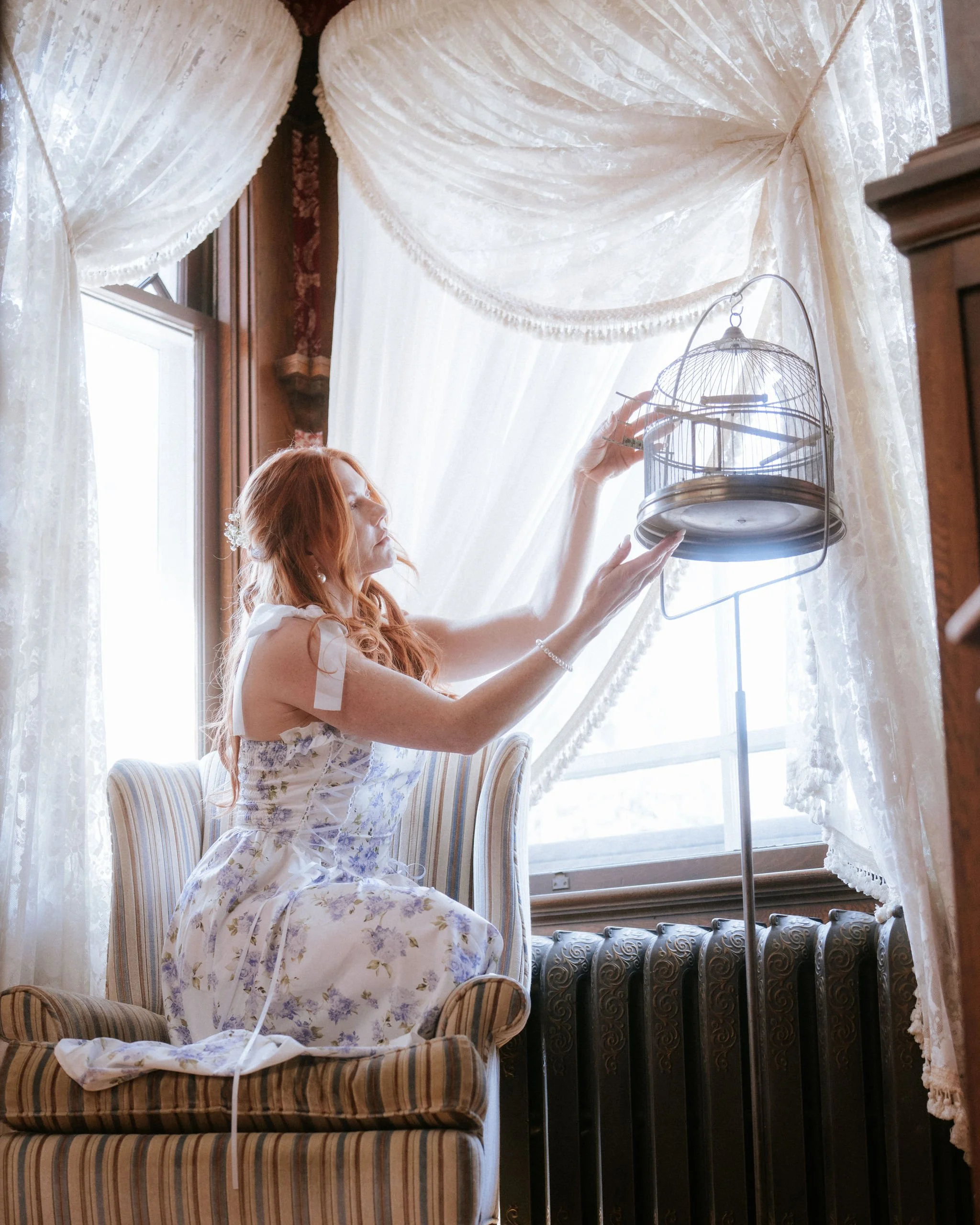
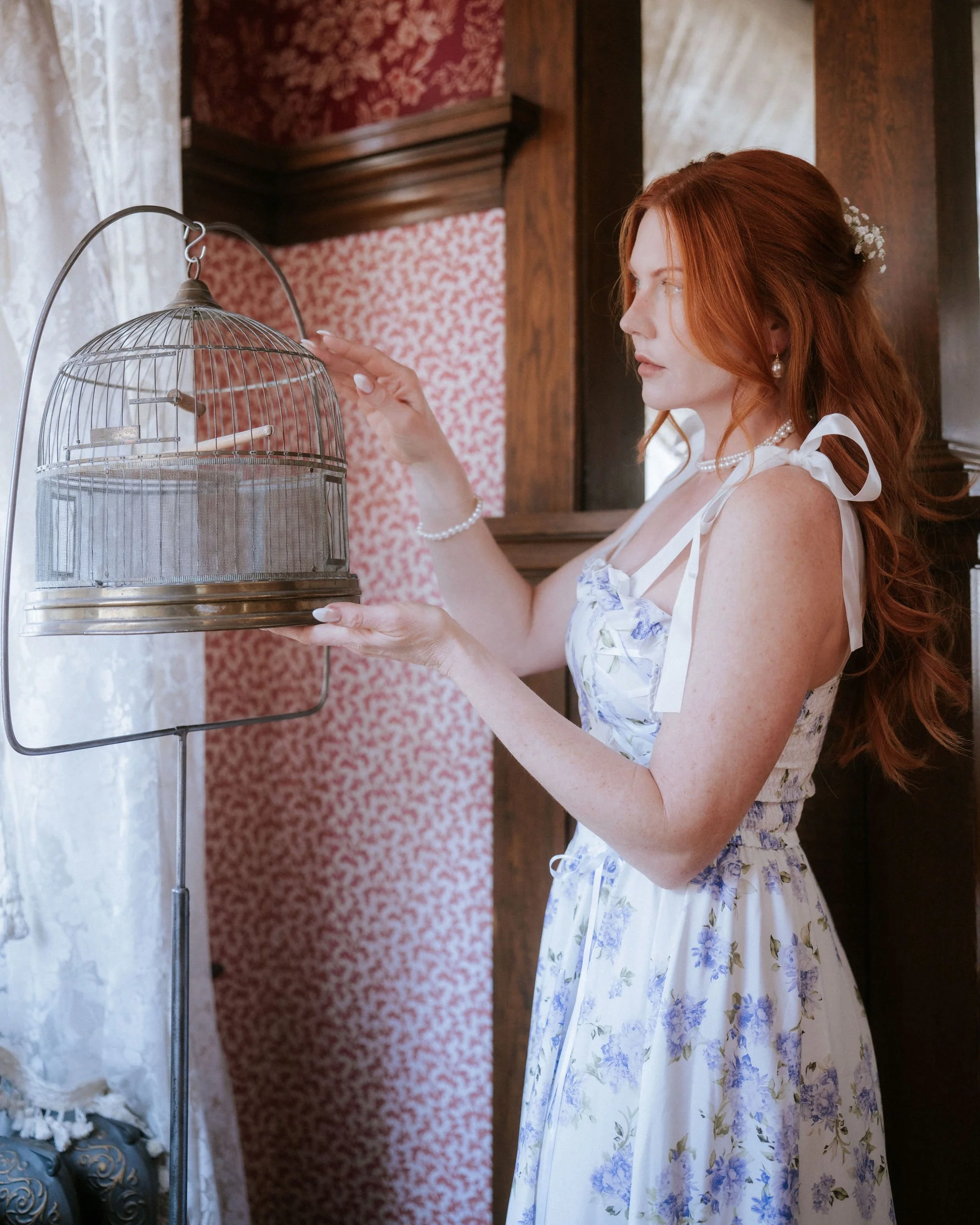
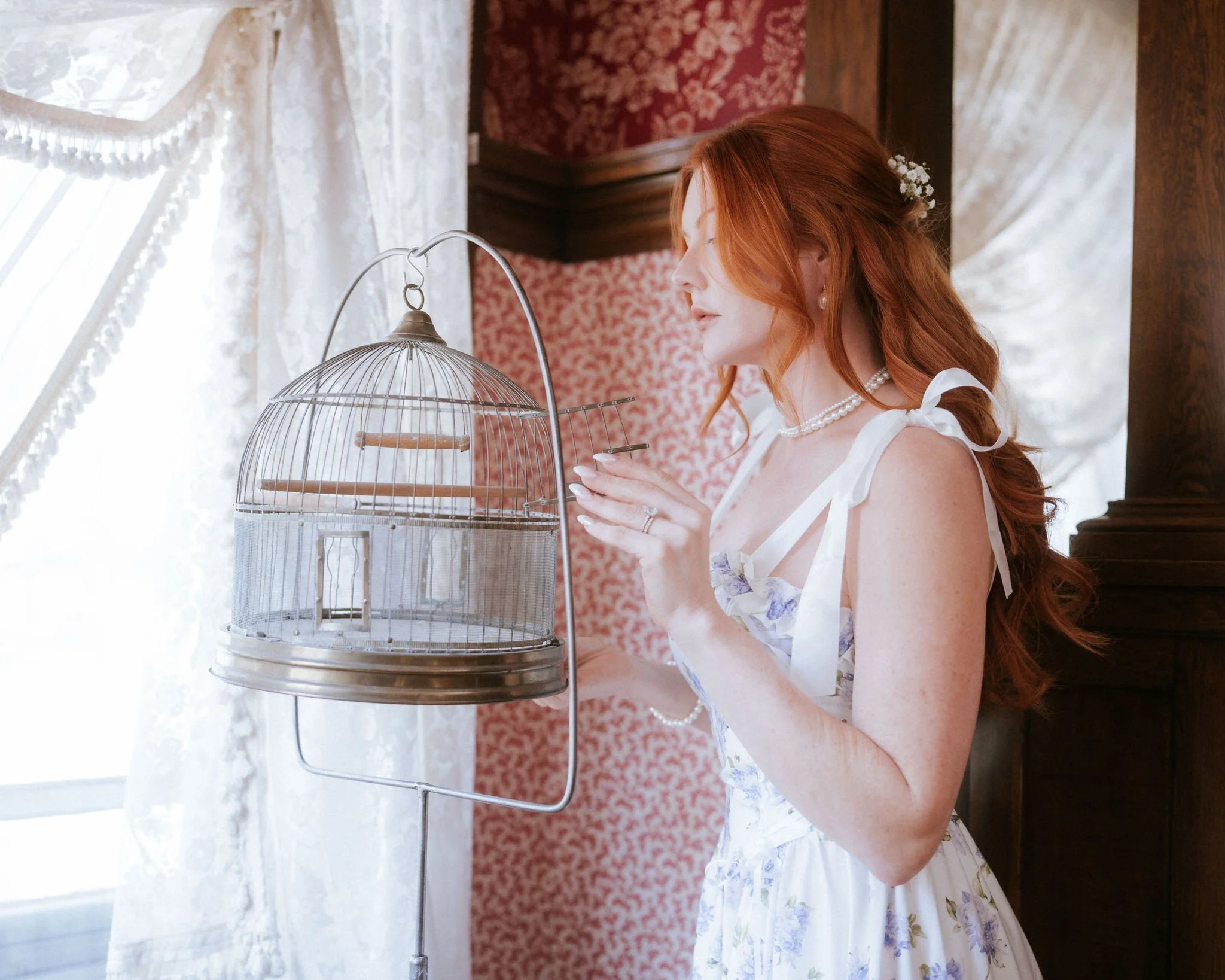
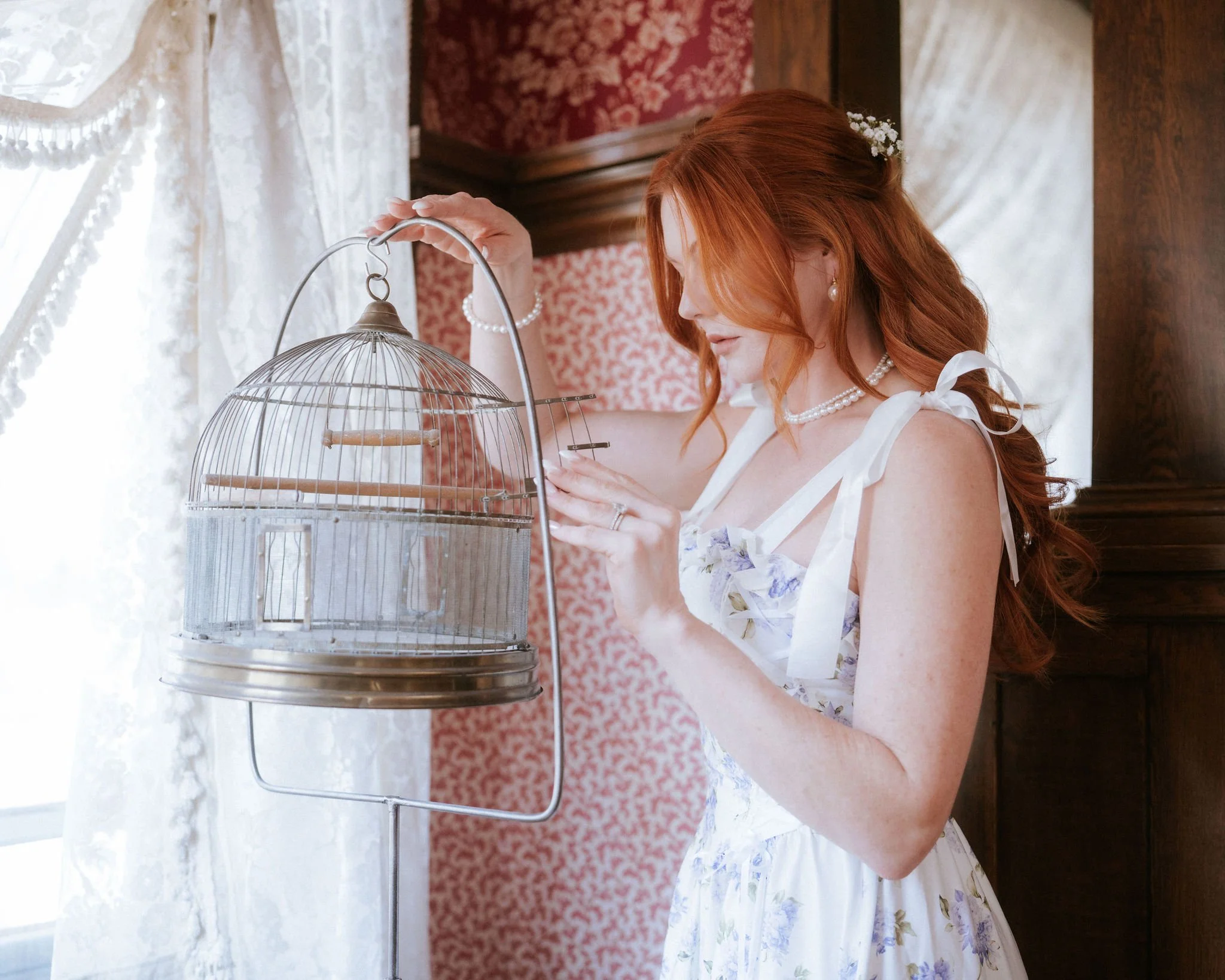
III. CURIOSITY
Then something shifts.
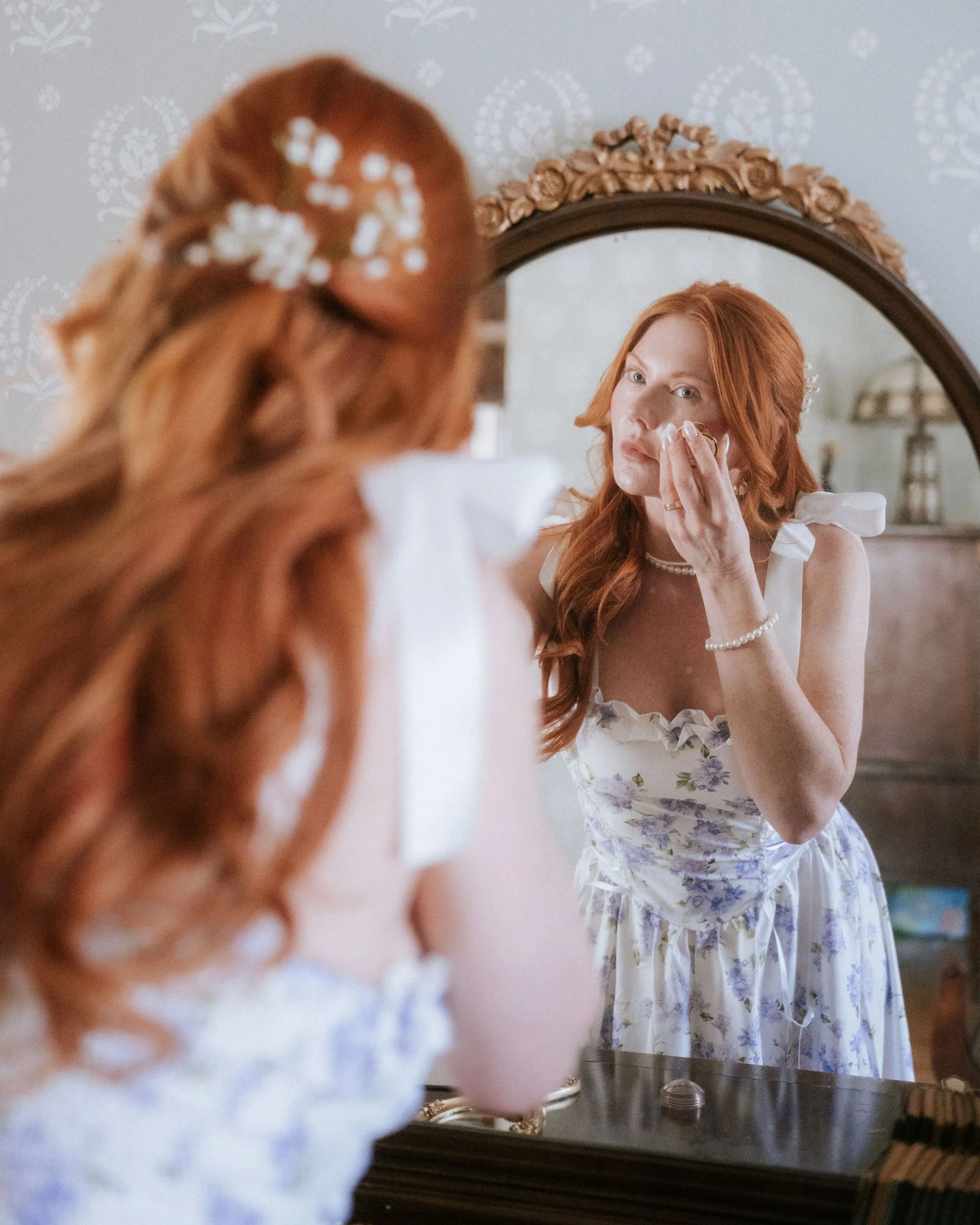
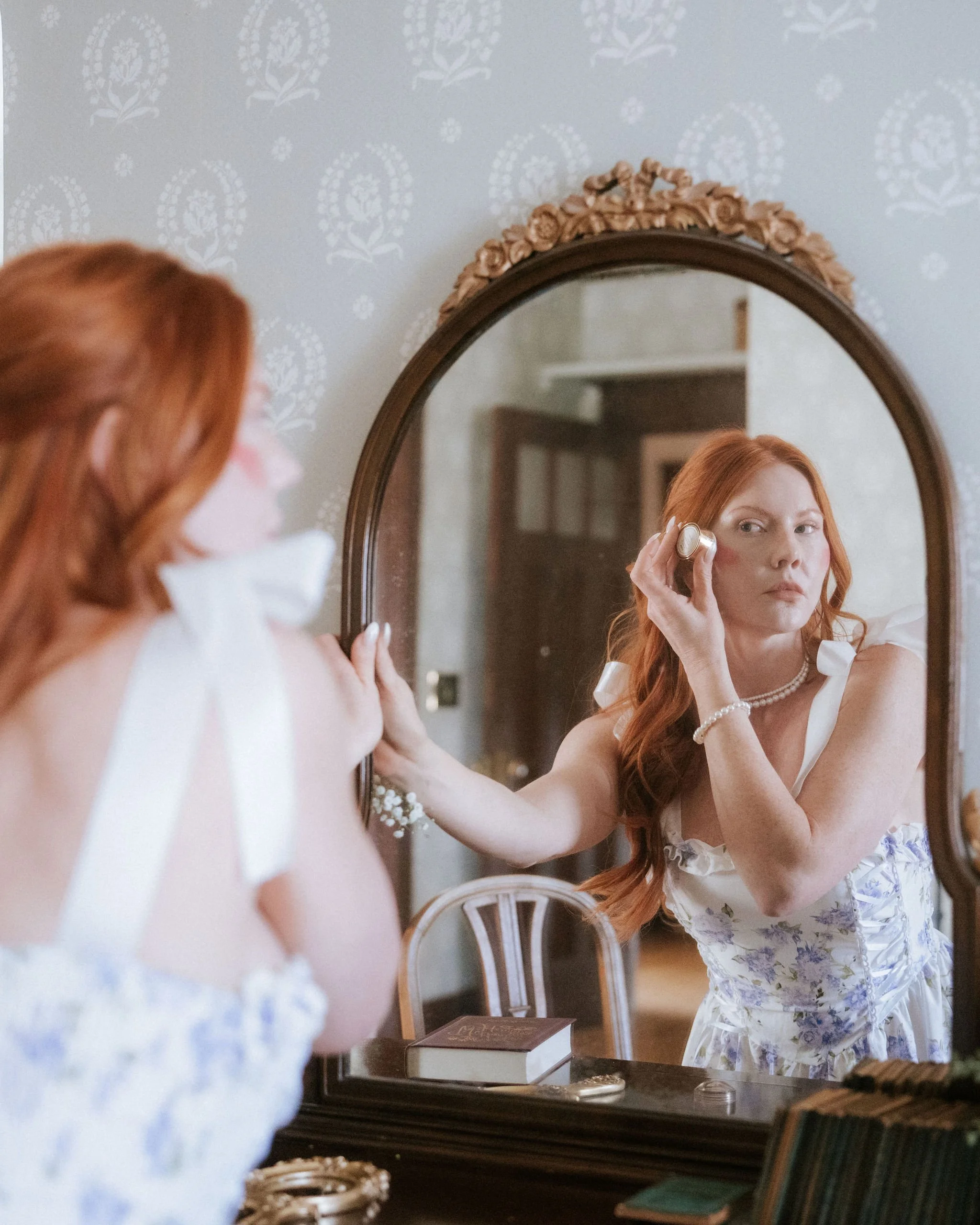
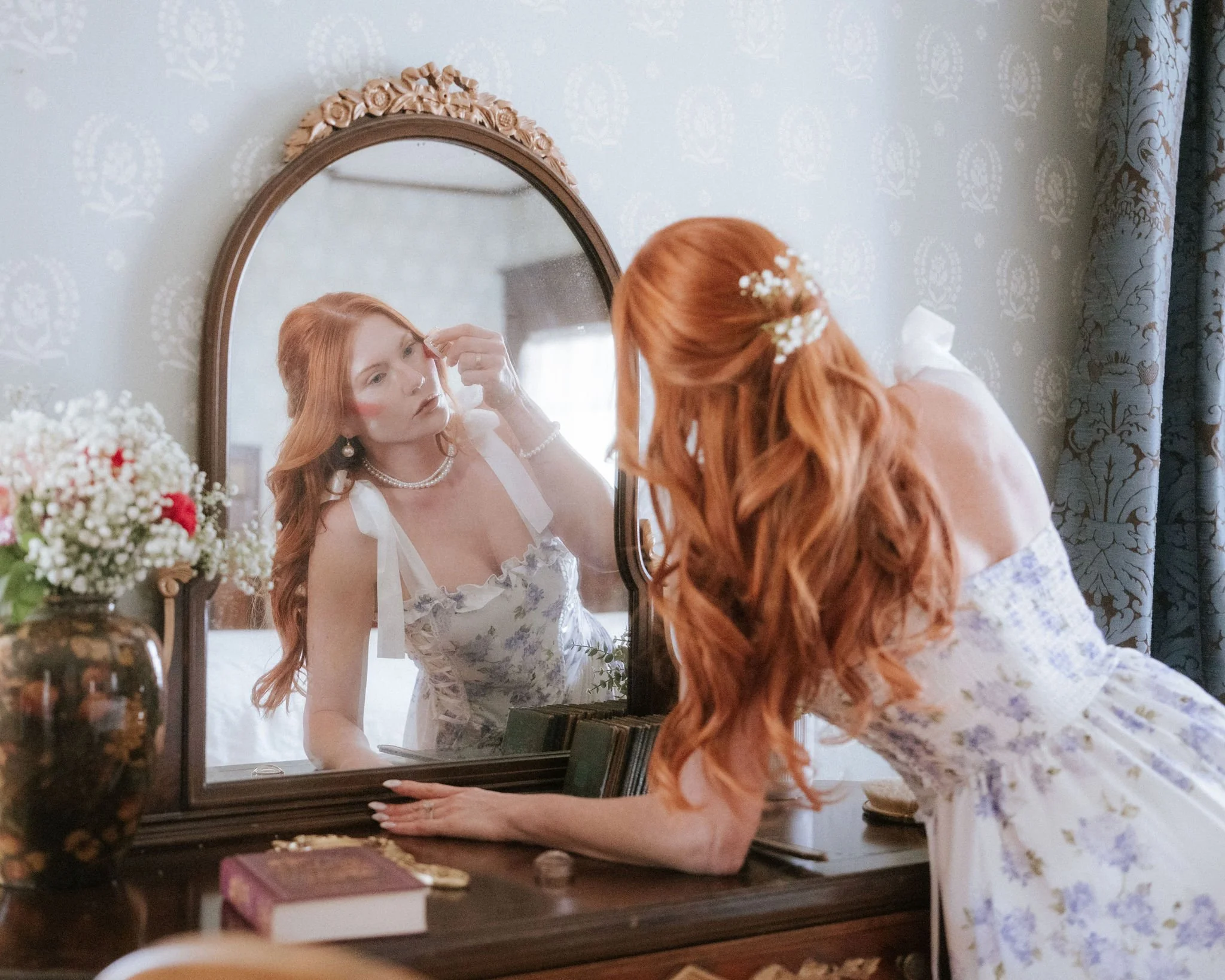
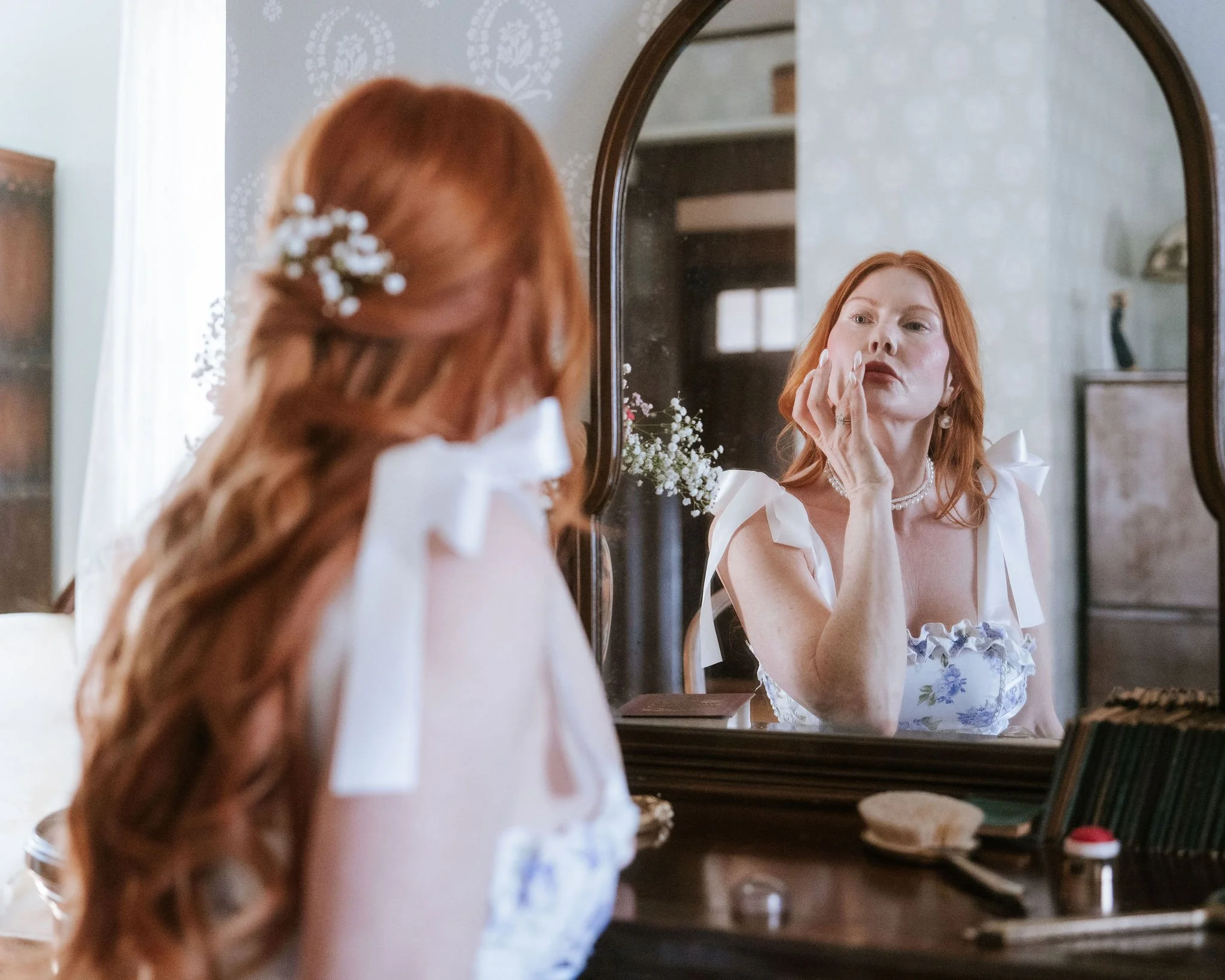
Makeup enters the narrative gradually—not as decoration, but as possibility.
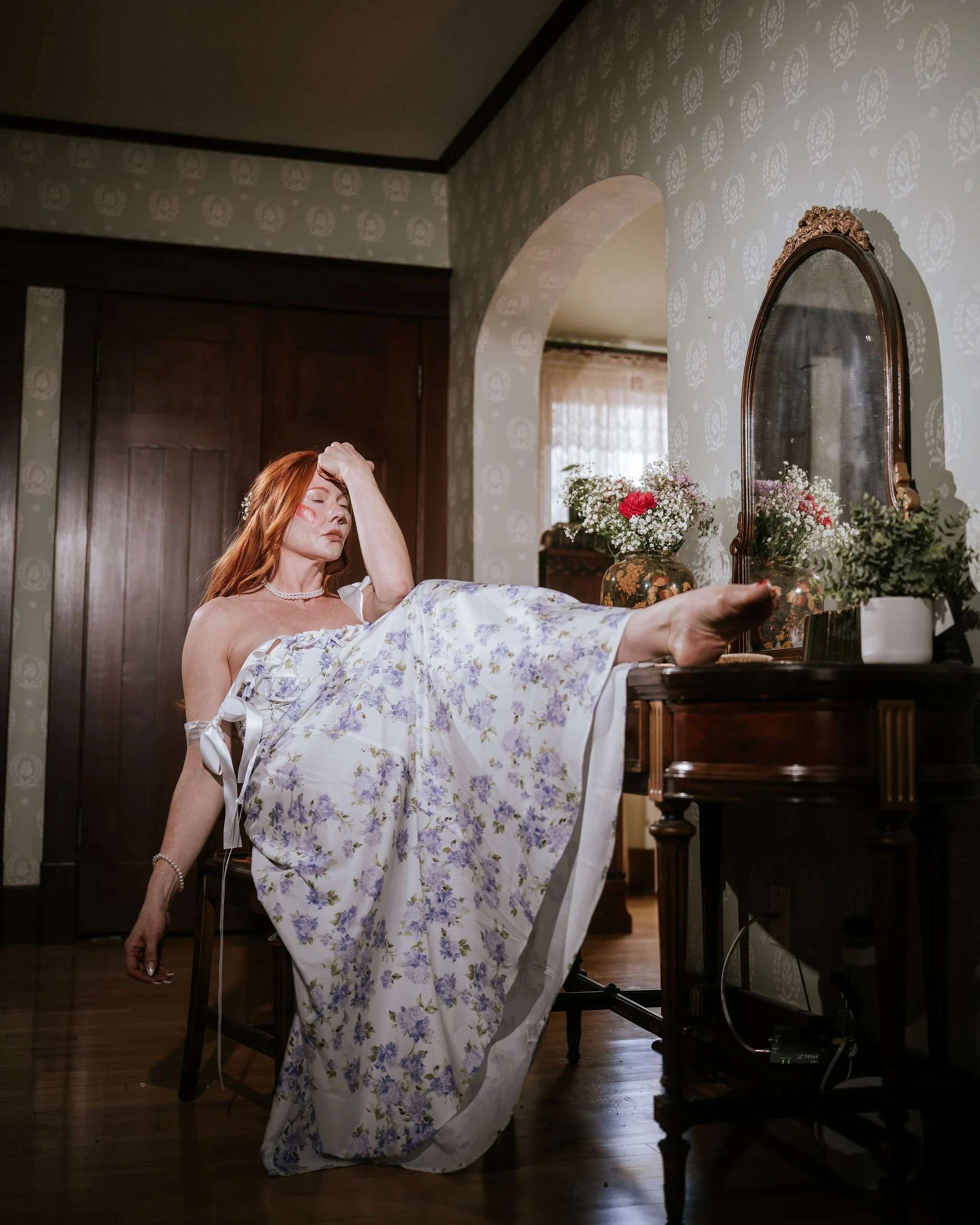
The mirror introduces another question:
Who determines the image reflected back at us?
What begins as an object of observation and judgment slowly becomes one of recognition.
She begins to look at herself differently.
IV. INTENTION
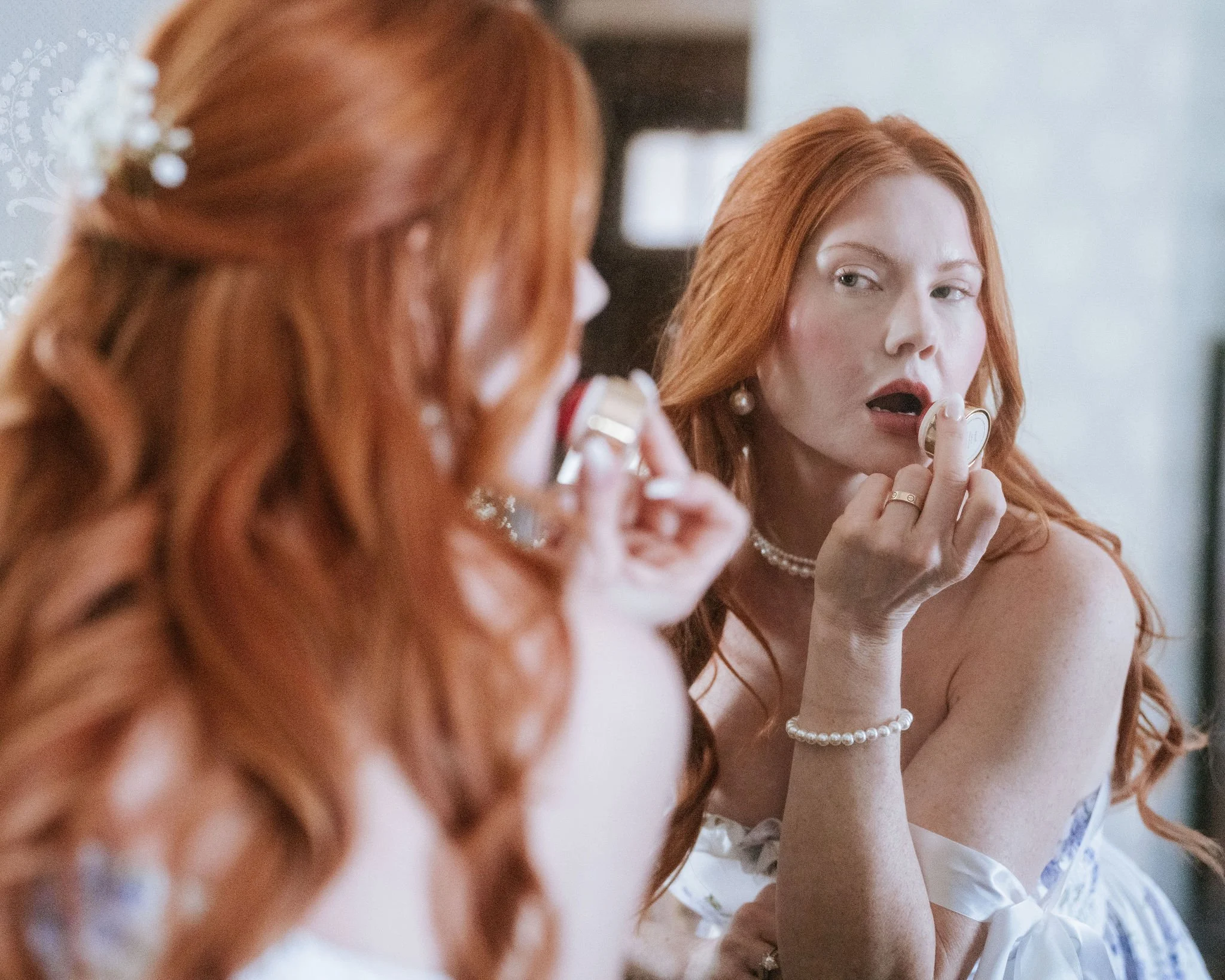
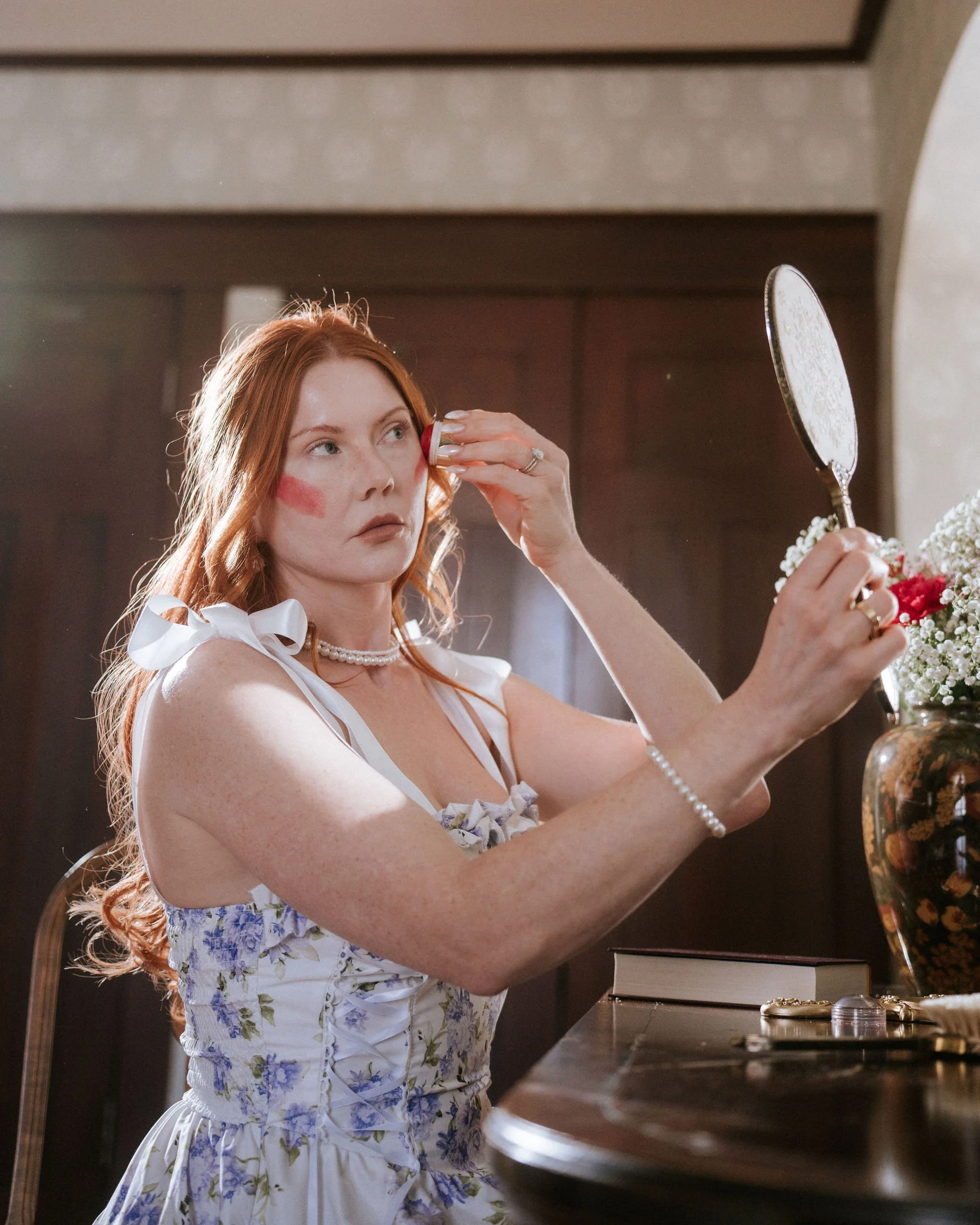
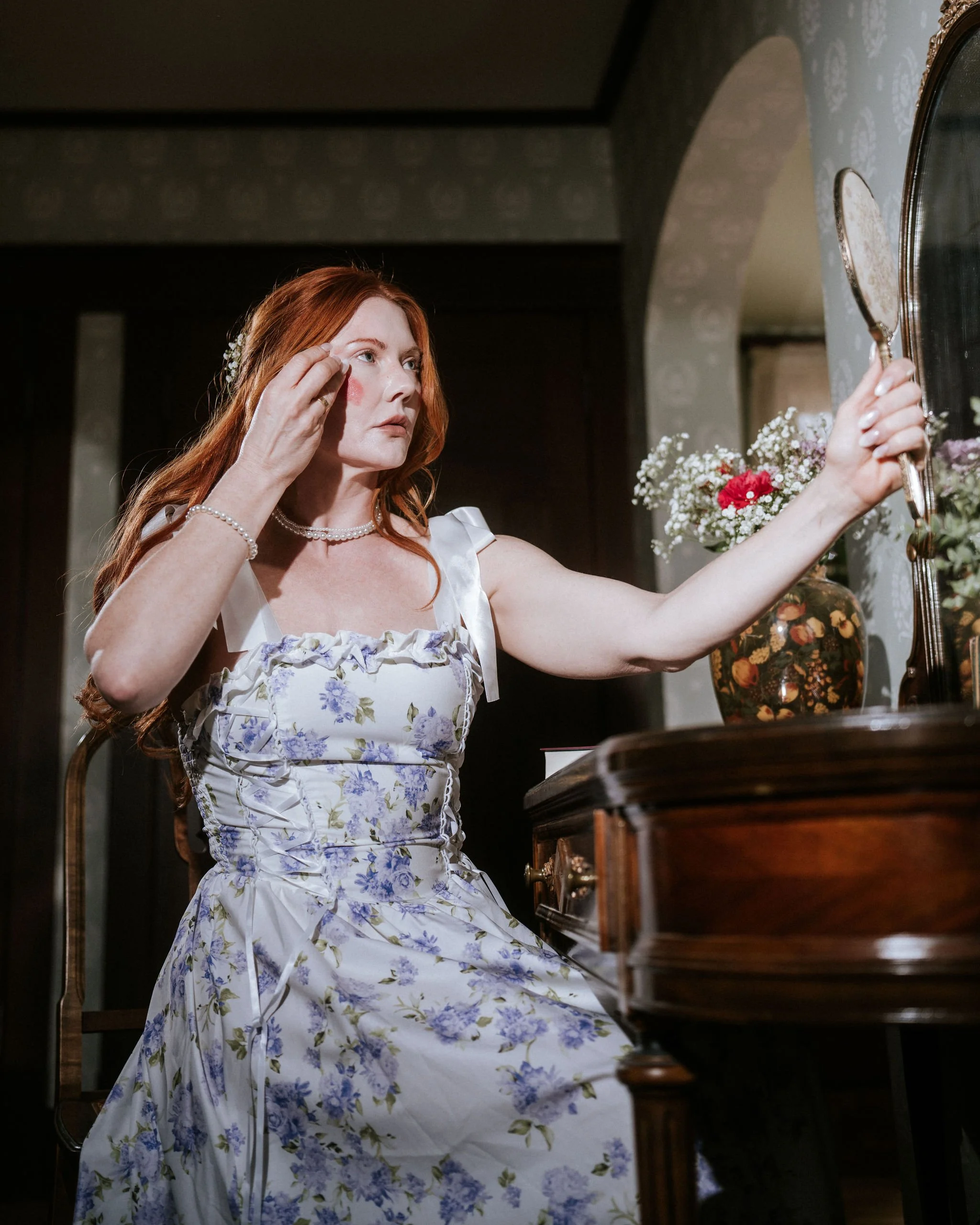
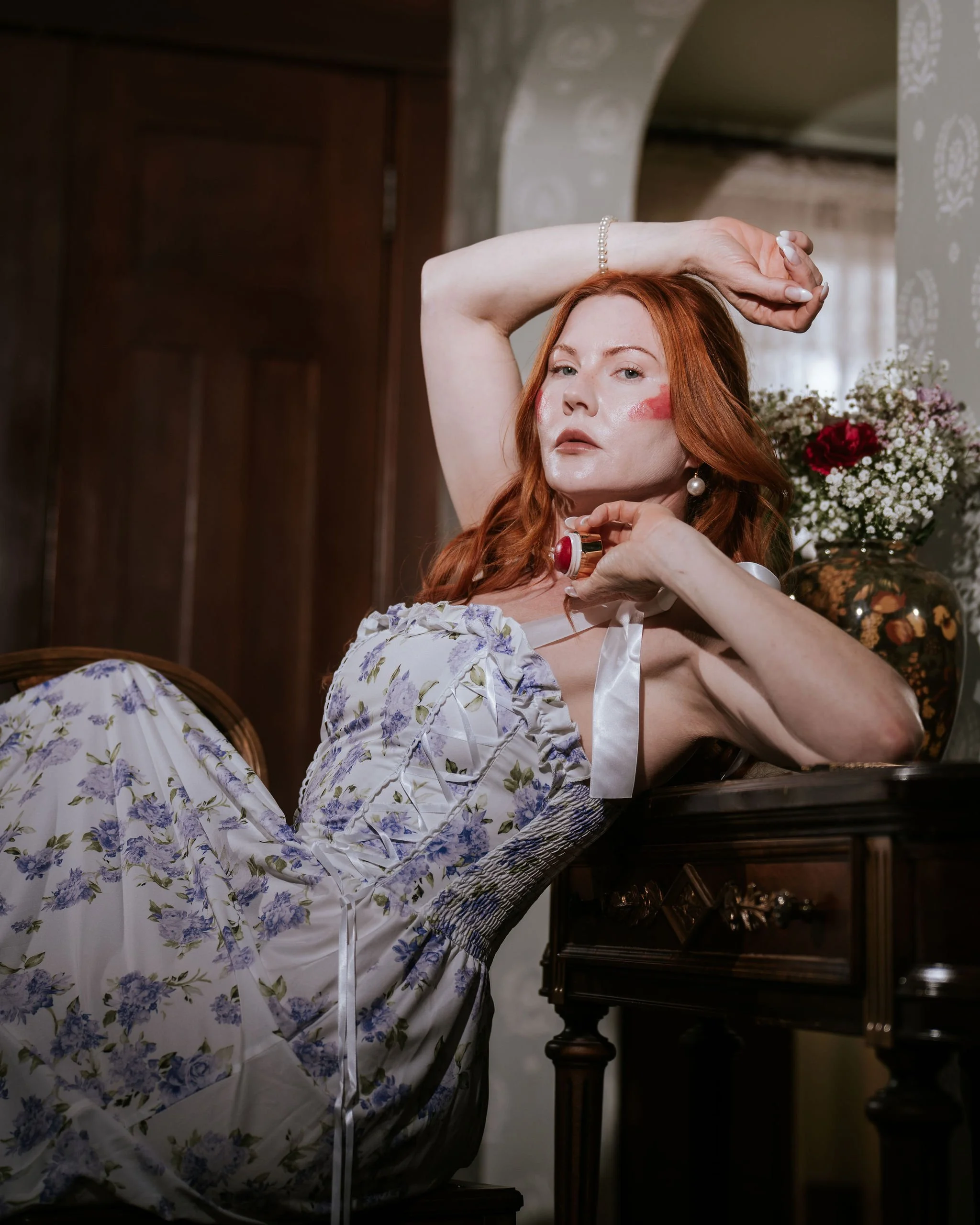
The physical act of touching pigment to skin becomes a decision.
Rouge is no longer something applied simply to make her beautiful.
It represents choice.
With every addition, she claims more ownership over how she is seen.
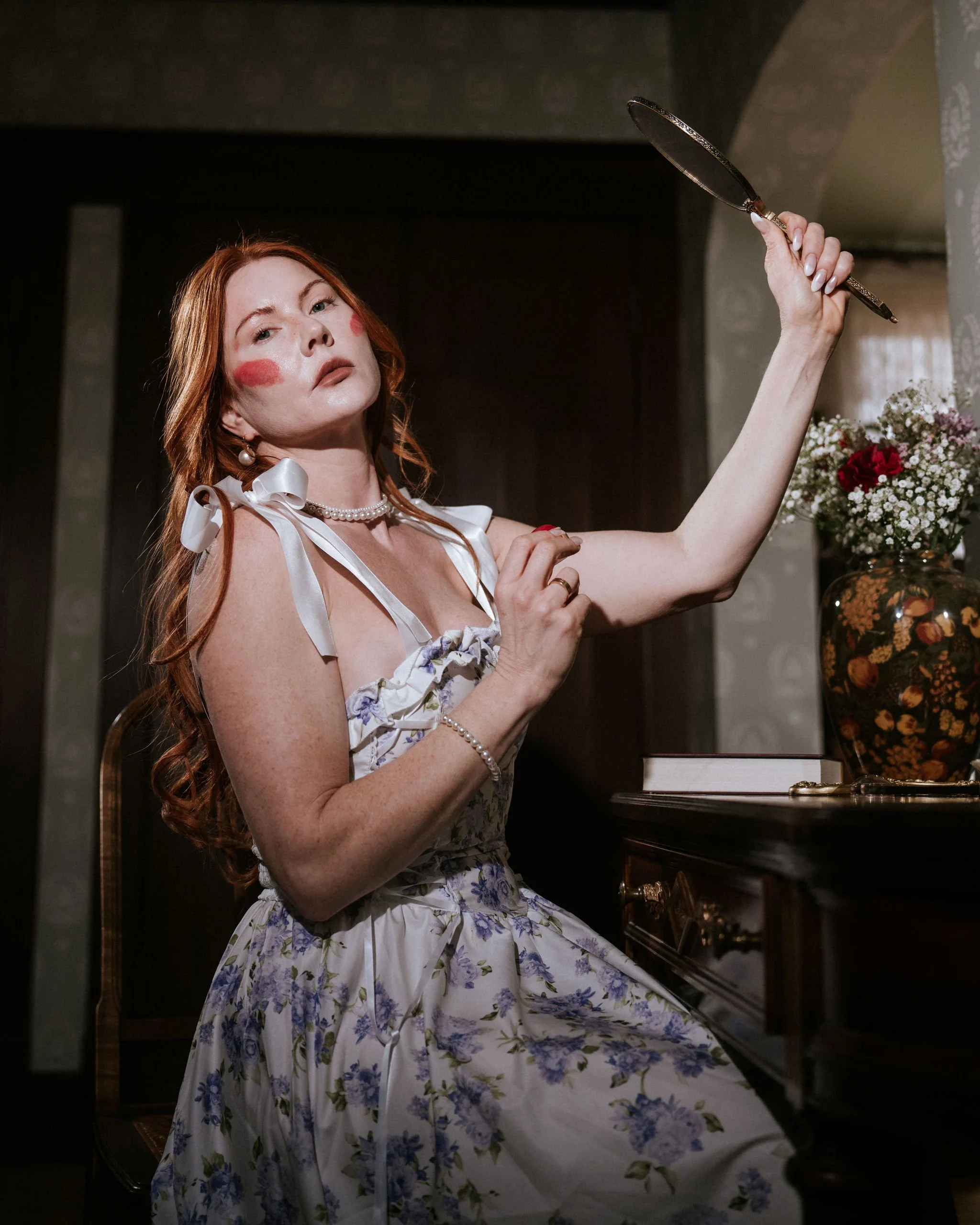
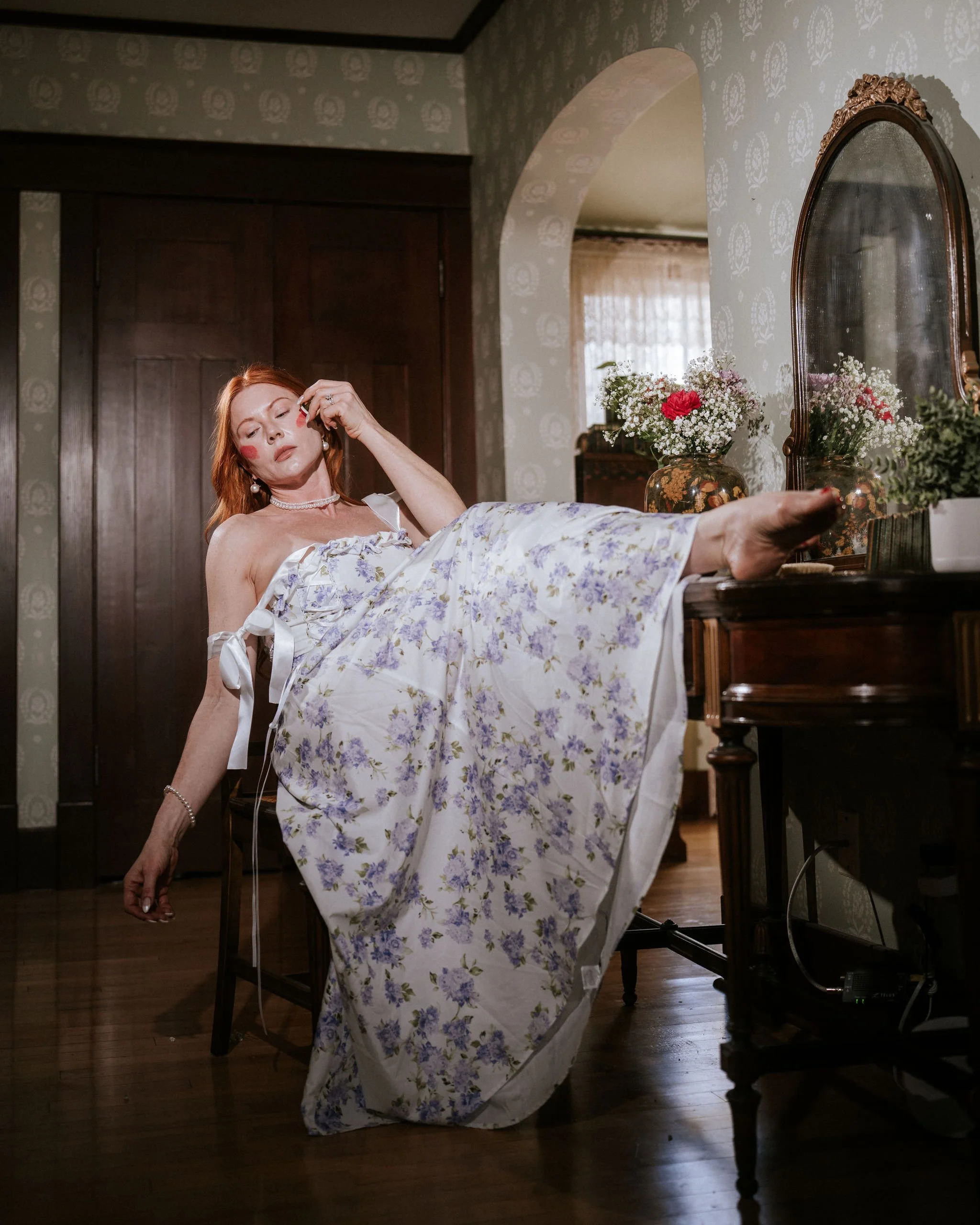
The transformation is deliberately incremental:
Bare. Curious. Intentional. Defiant. Unapologetic.
Makeup becomes the visual thread connecting each stage.
V. DEFIANCE
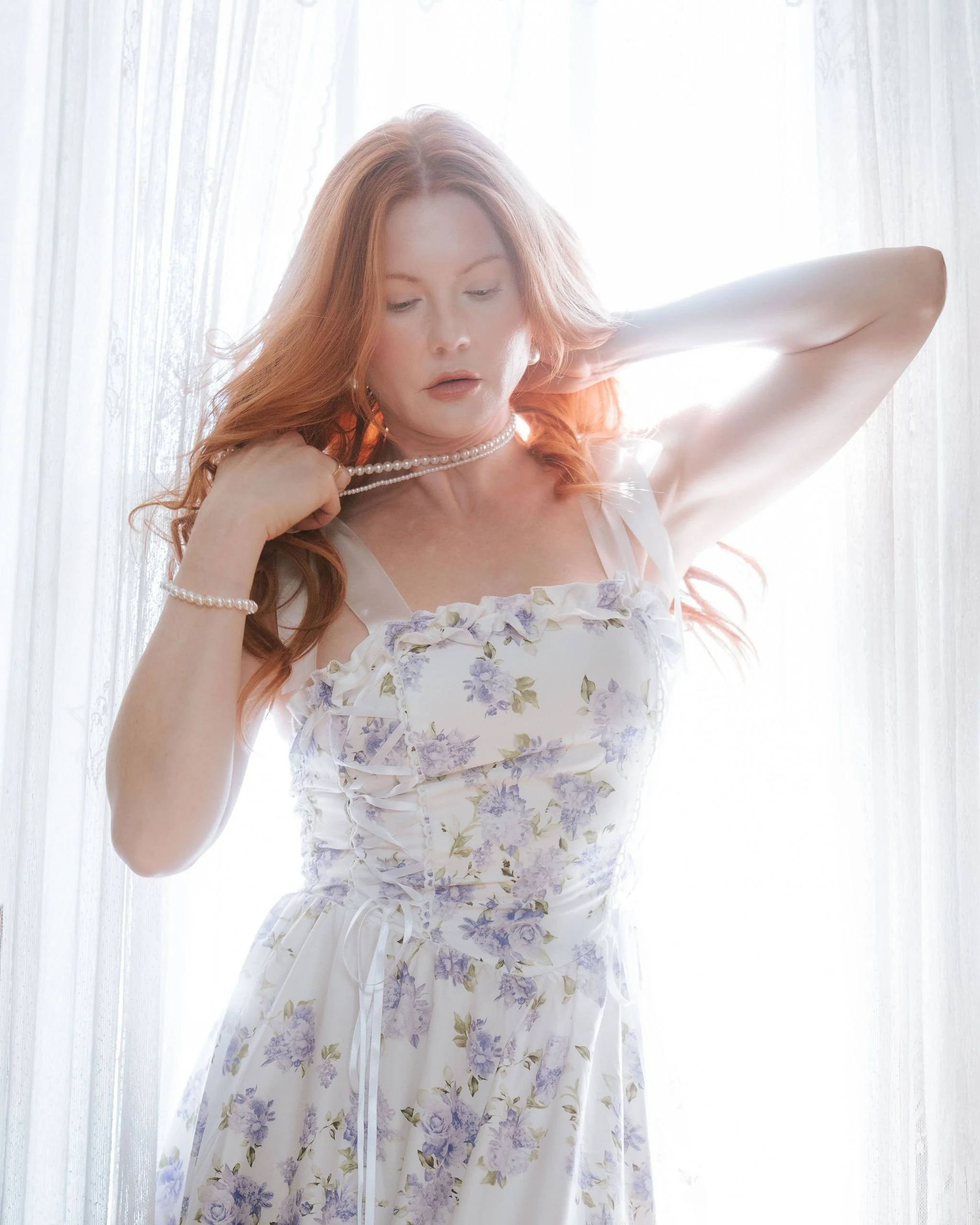
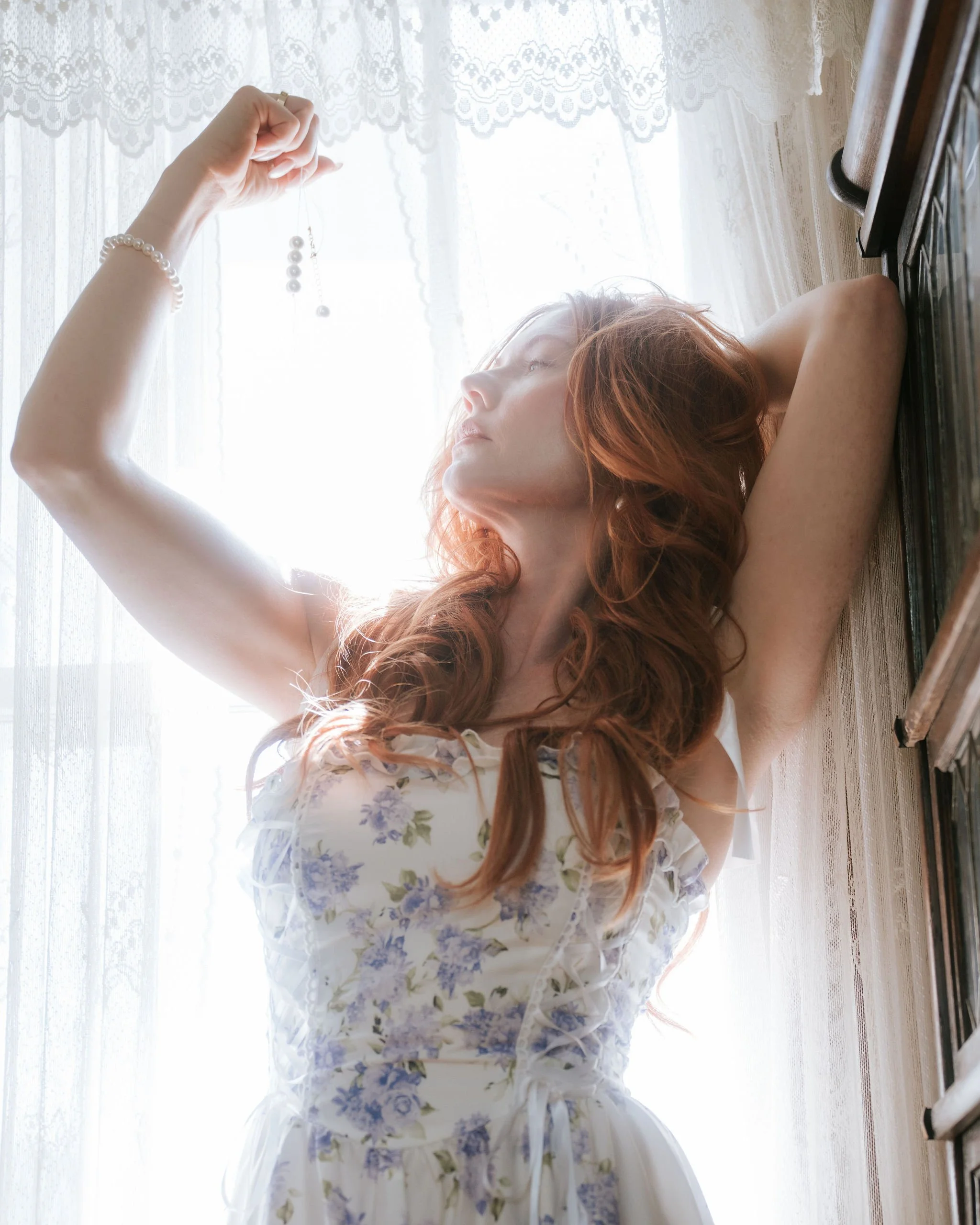
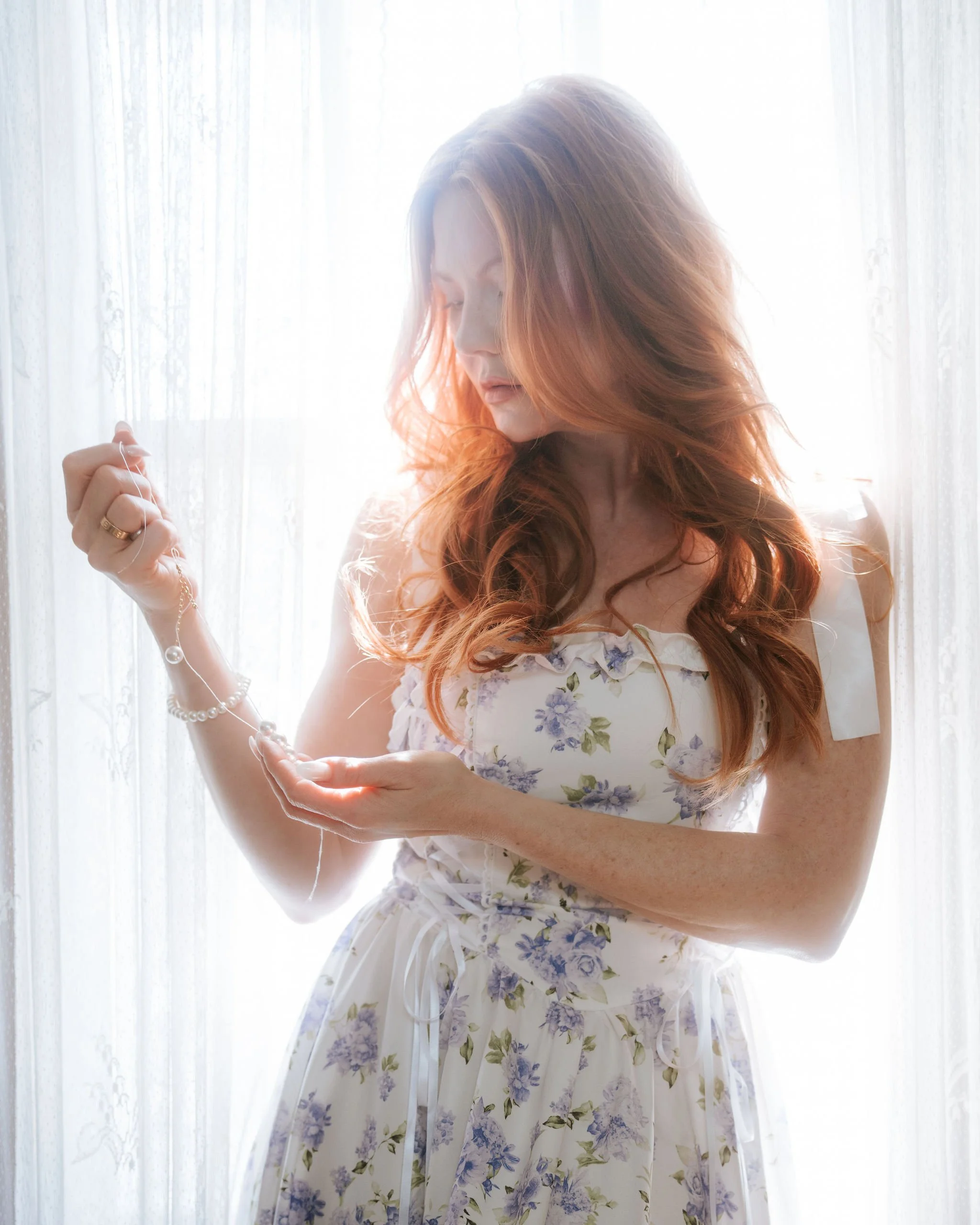
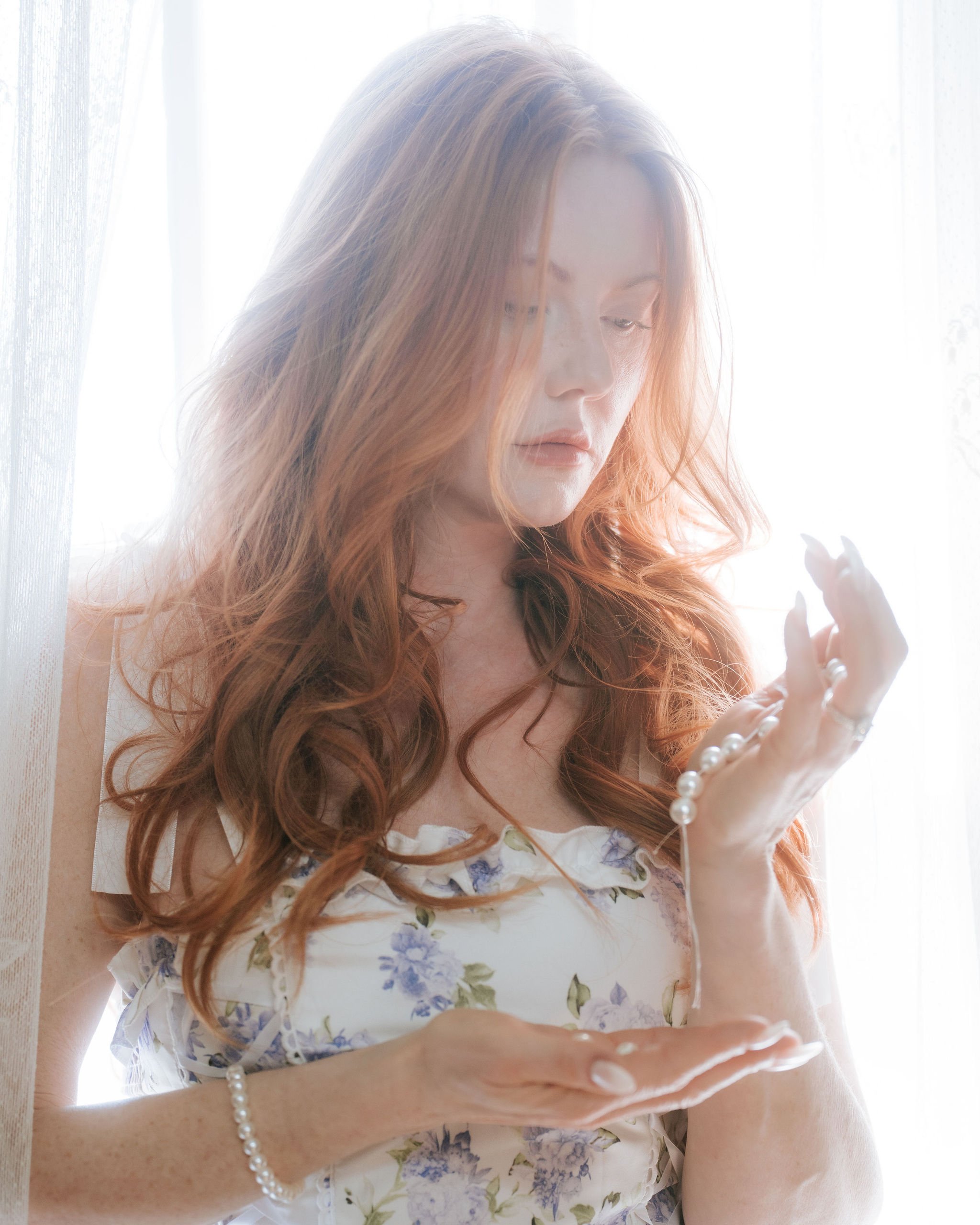
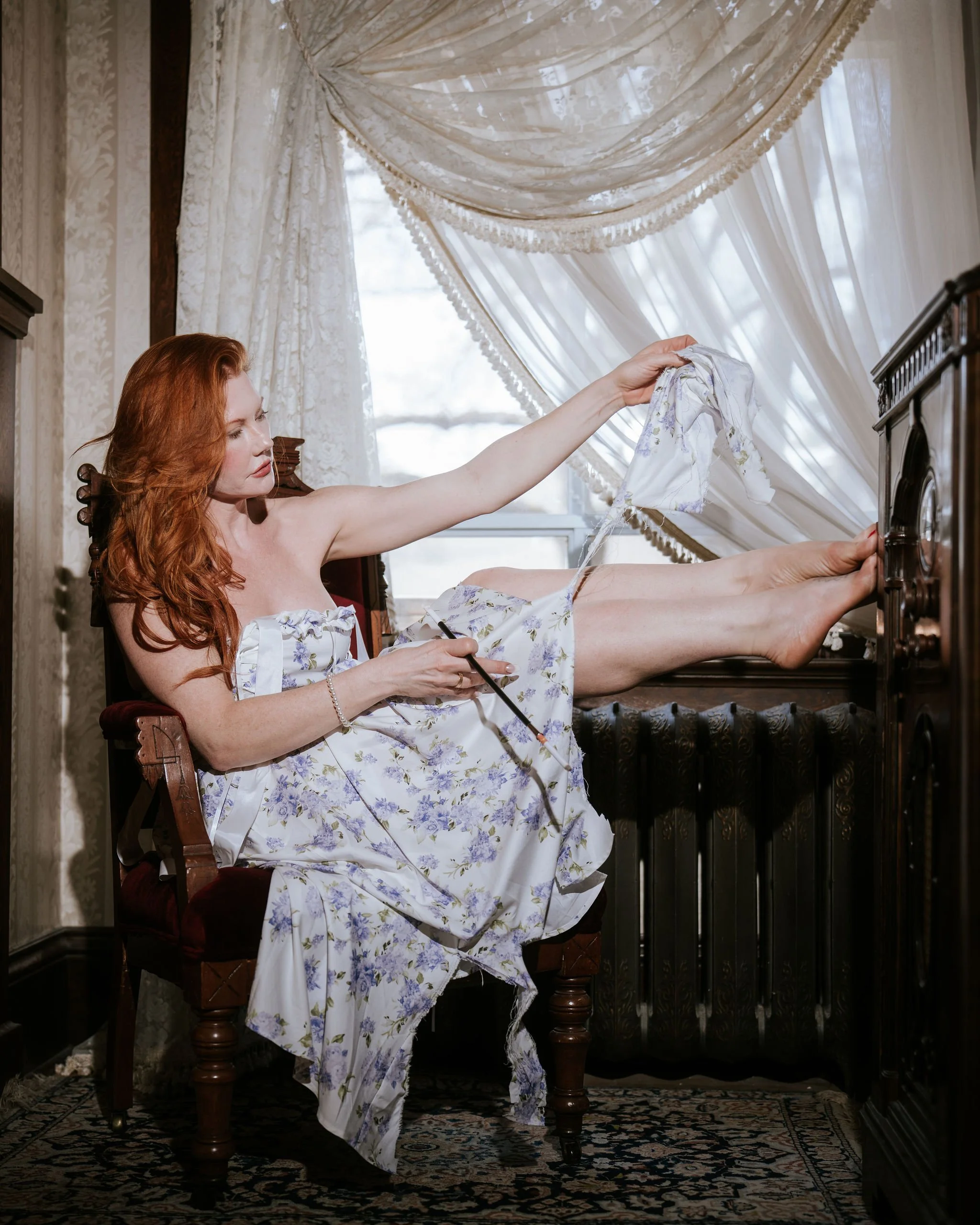
Her transformation begins extending beyond makeup.
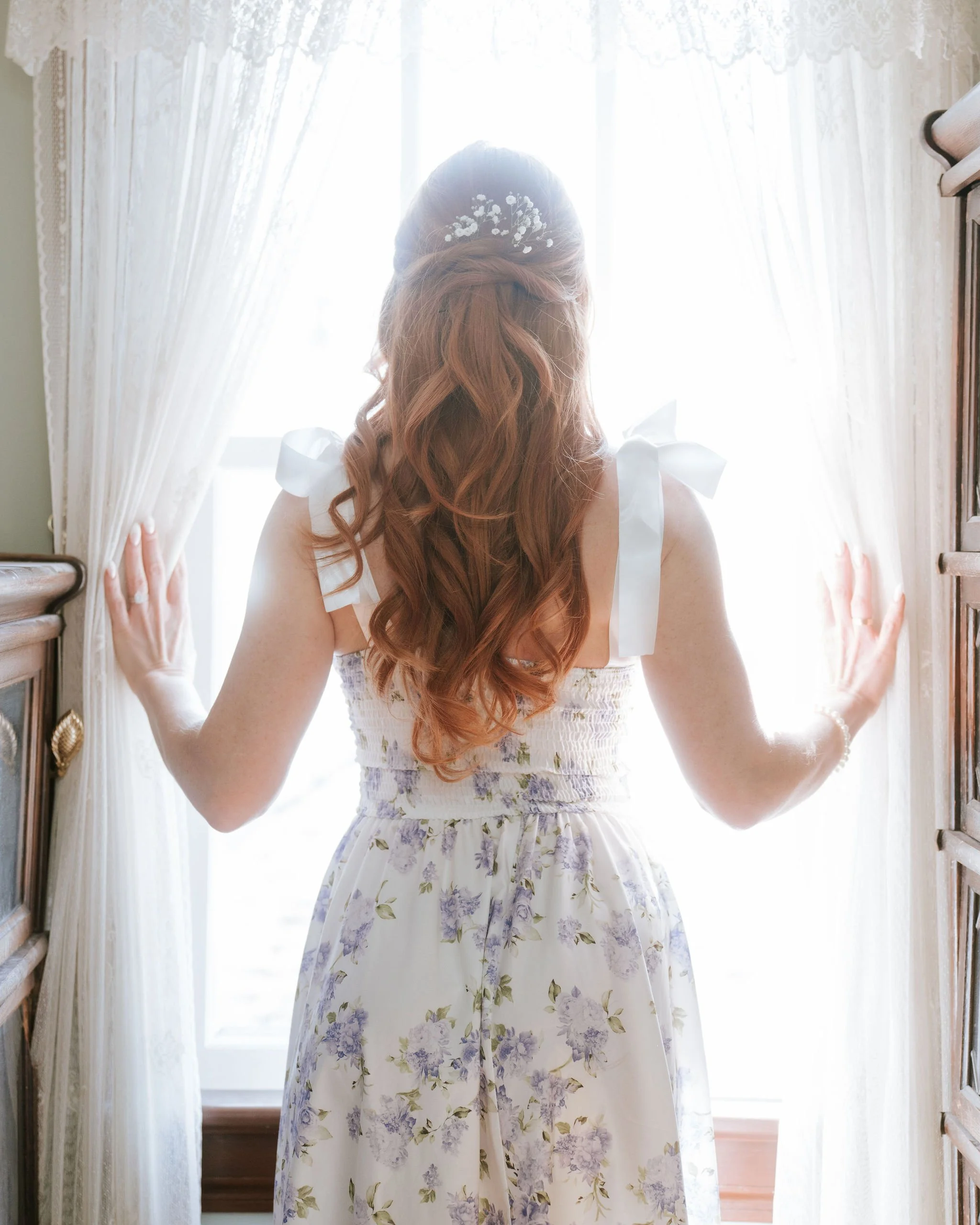
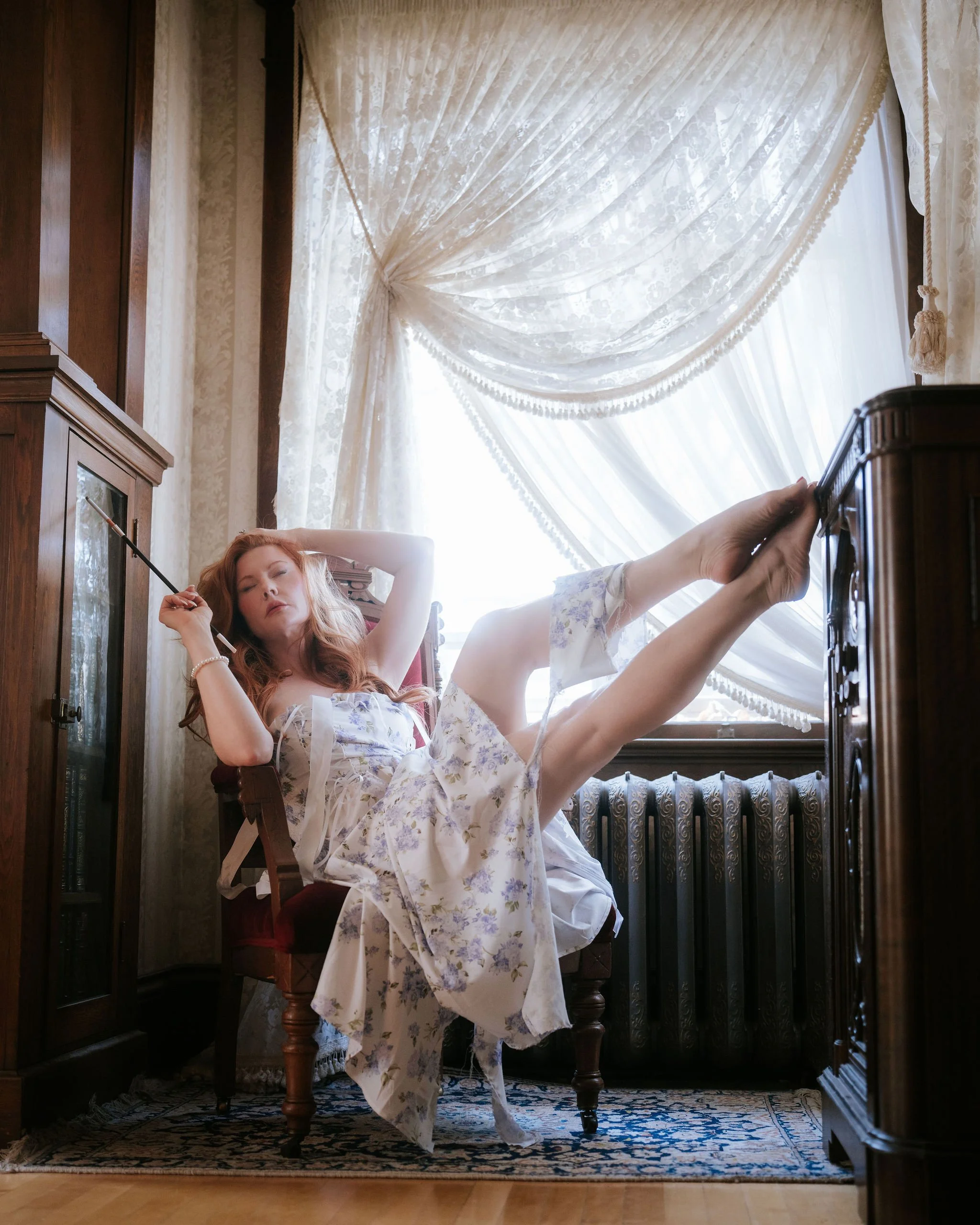
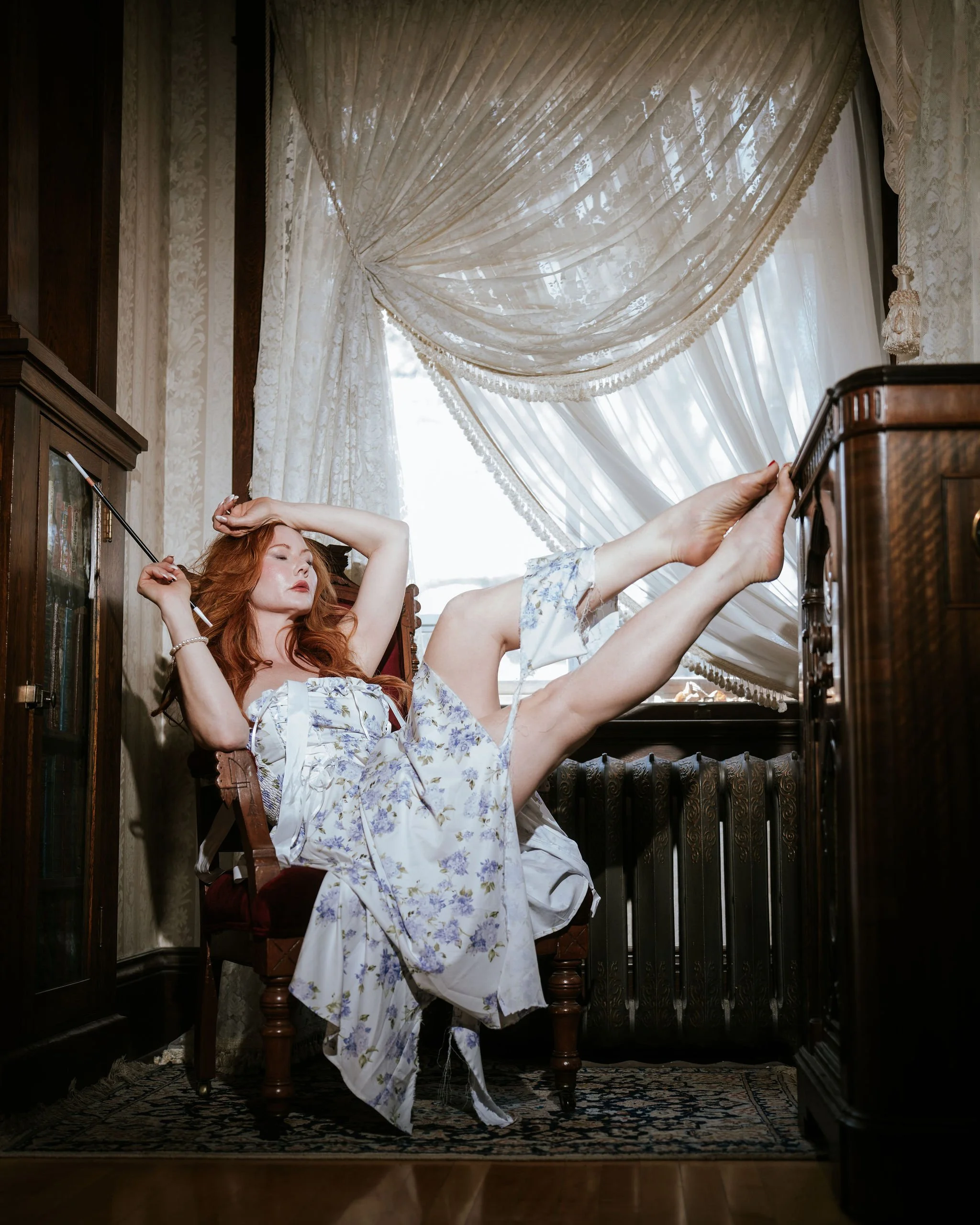
Her hair is pulled free from the careful style it was placed in.
Her necklace is ripped off.
Her presence becomes less contained.
Her gaze becomes increasingly deliberate.
Each element charts the same progression from something controlled by expectation toward something self-directed.
And at the center of that progression is makeup.
In The Painted Lady, cosmetics are not the disguise.
They are the catalyst.
The very thing historically capable of marking a woman as improper becomes the mechanism through which she moves beyond expectation.
Not because beauty itself creates freedom.
But because choosing how she presents herself represents ownership.

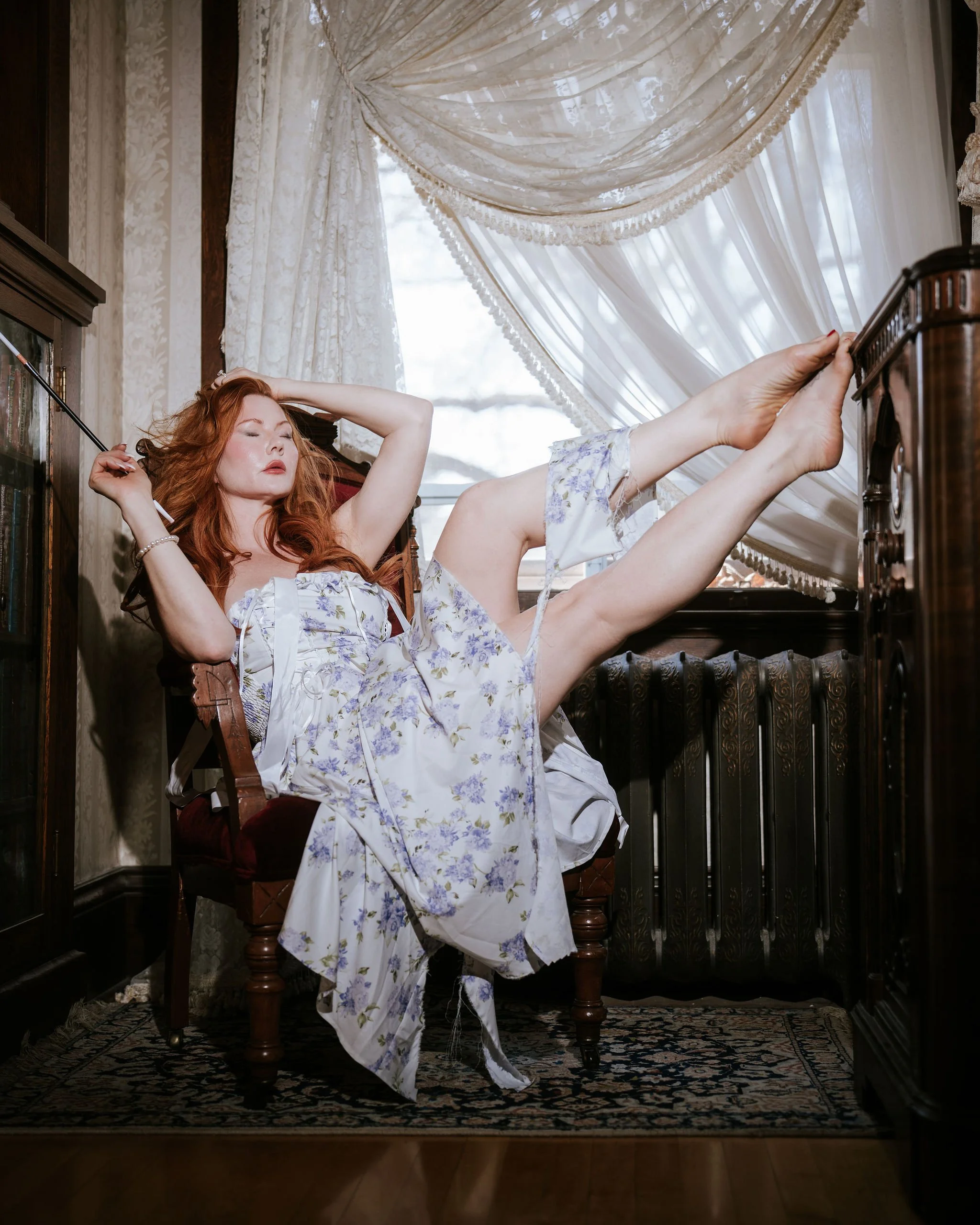
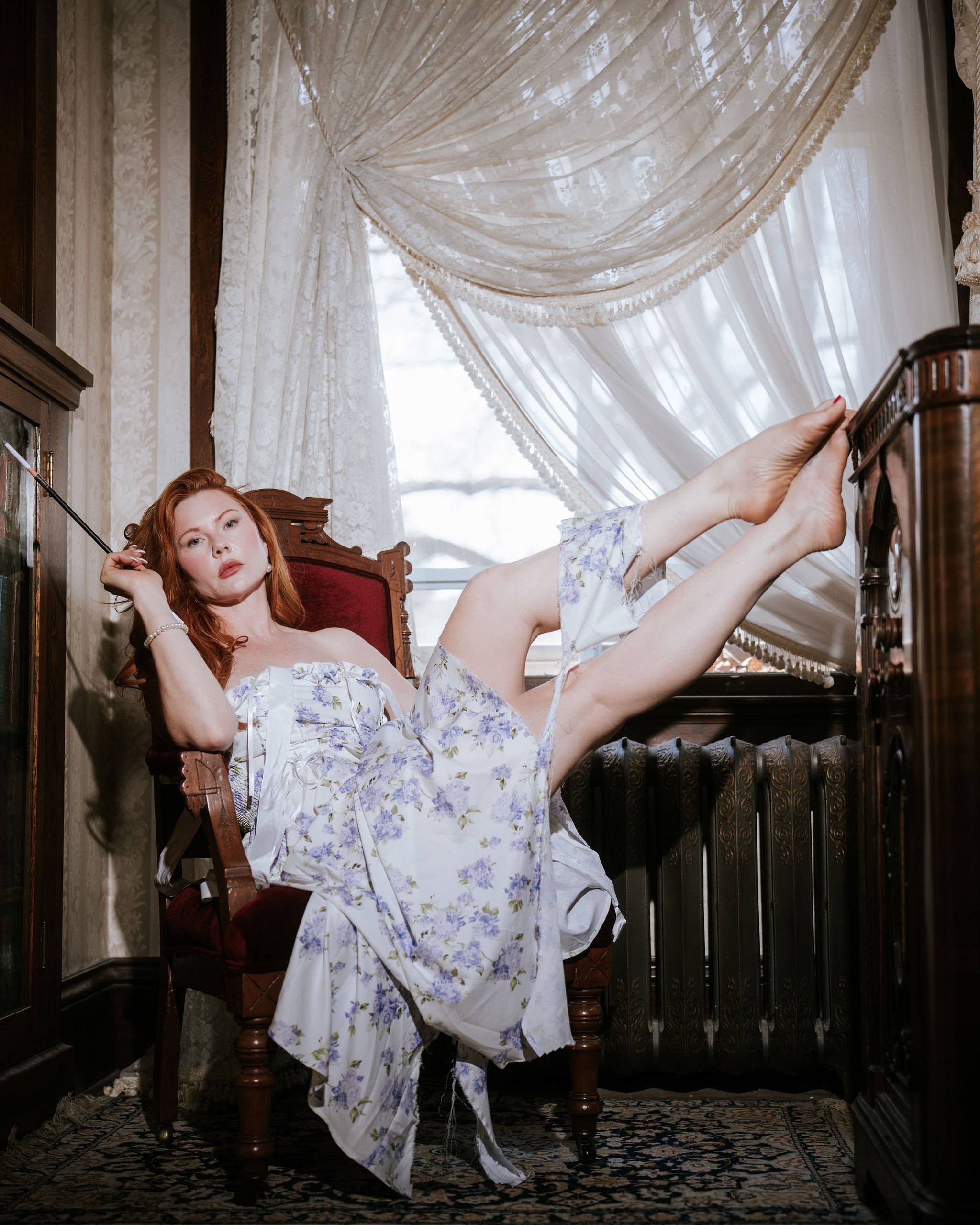
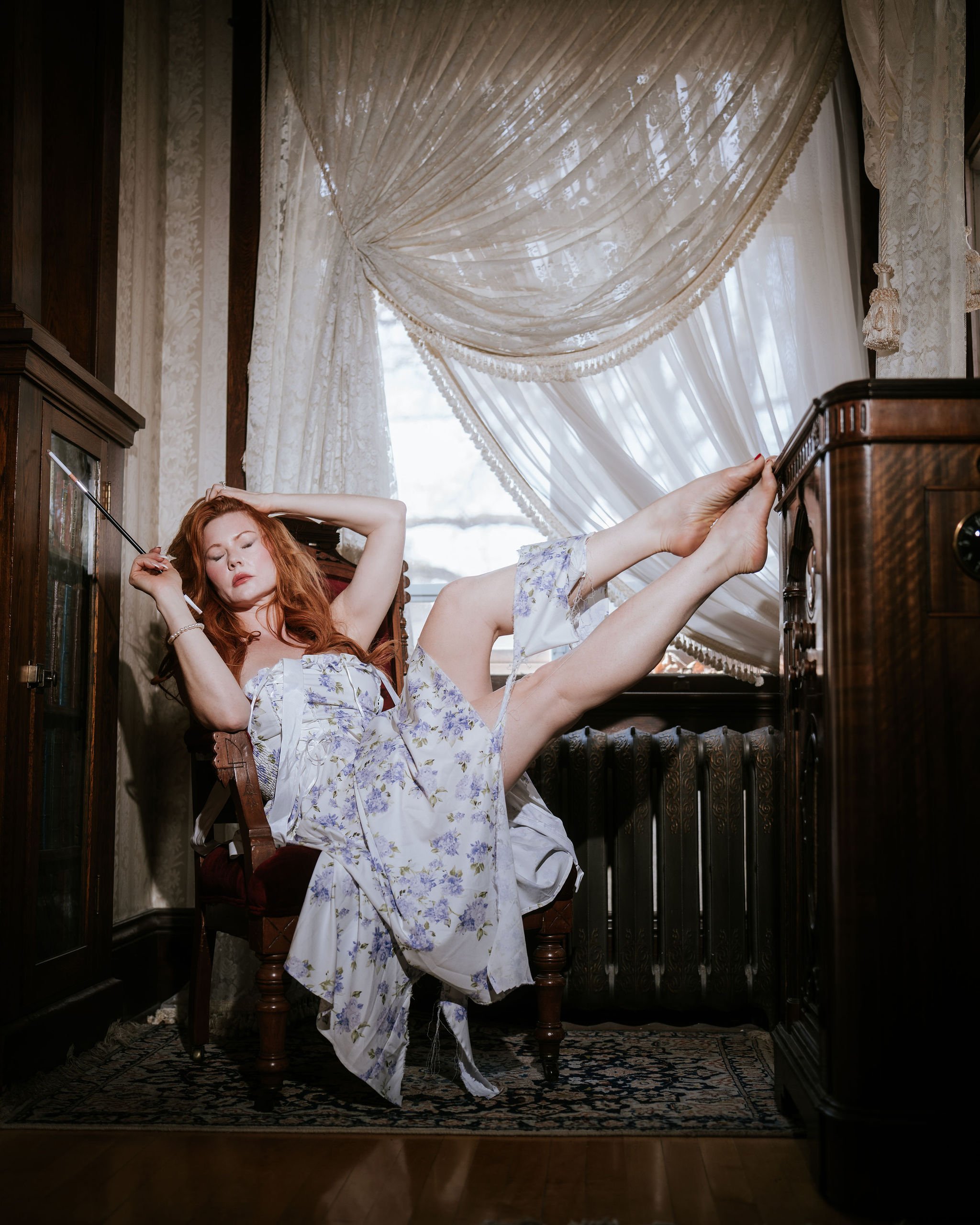
VI. UNAPOLOGETIC
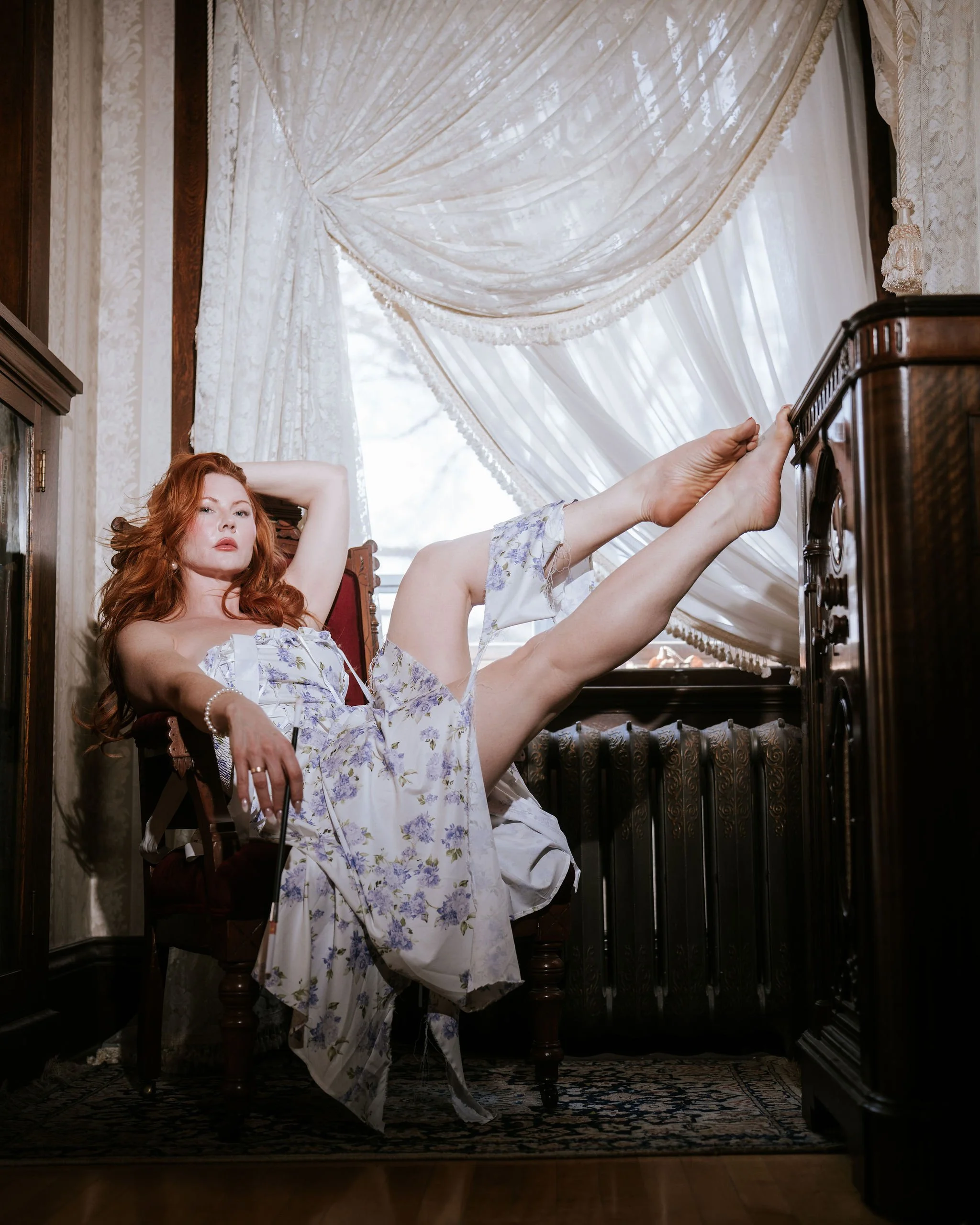
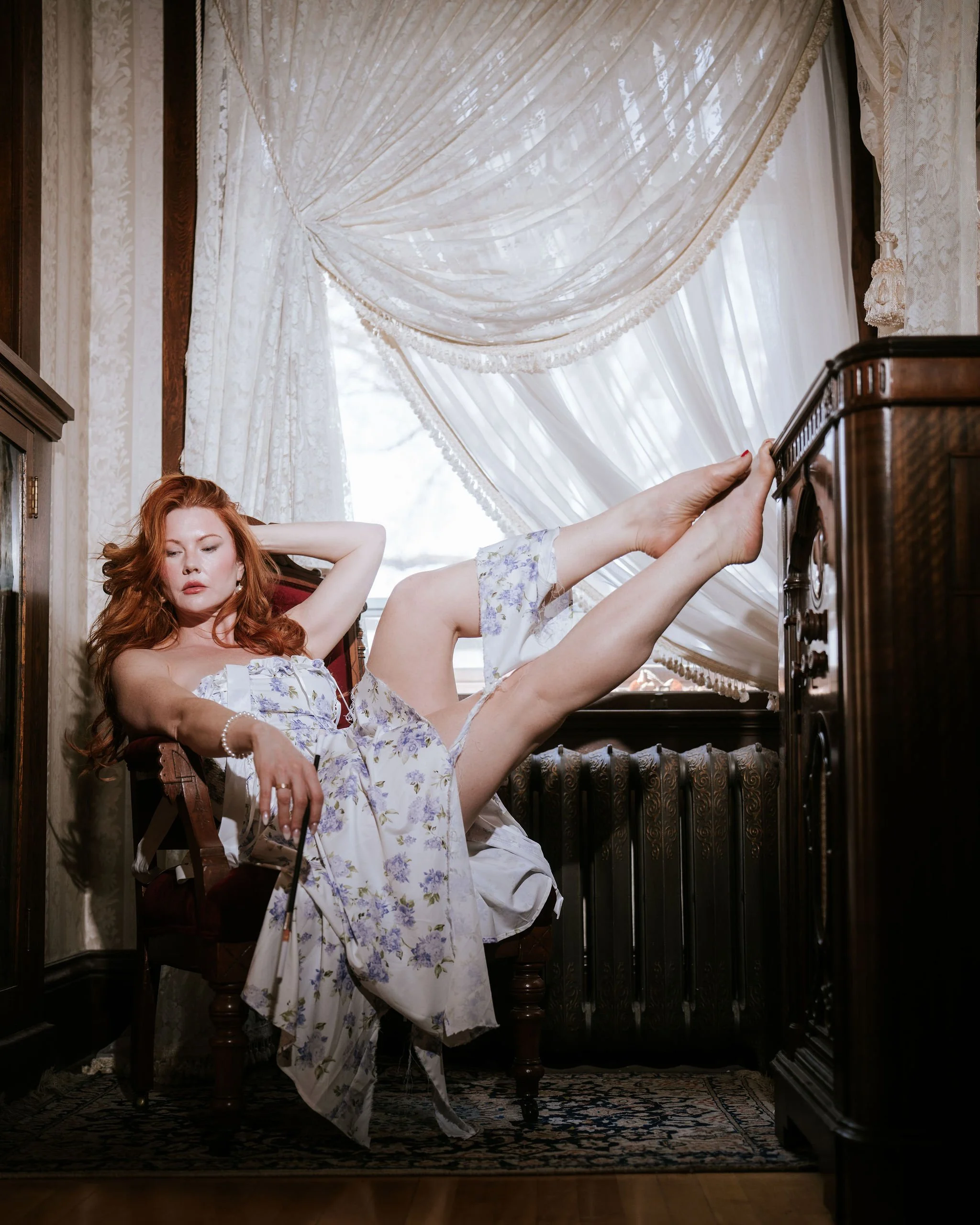
She is no longer asking permission to be visible.
What began tentatively has become intentional.
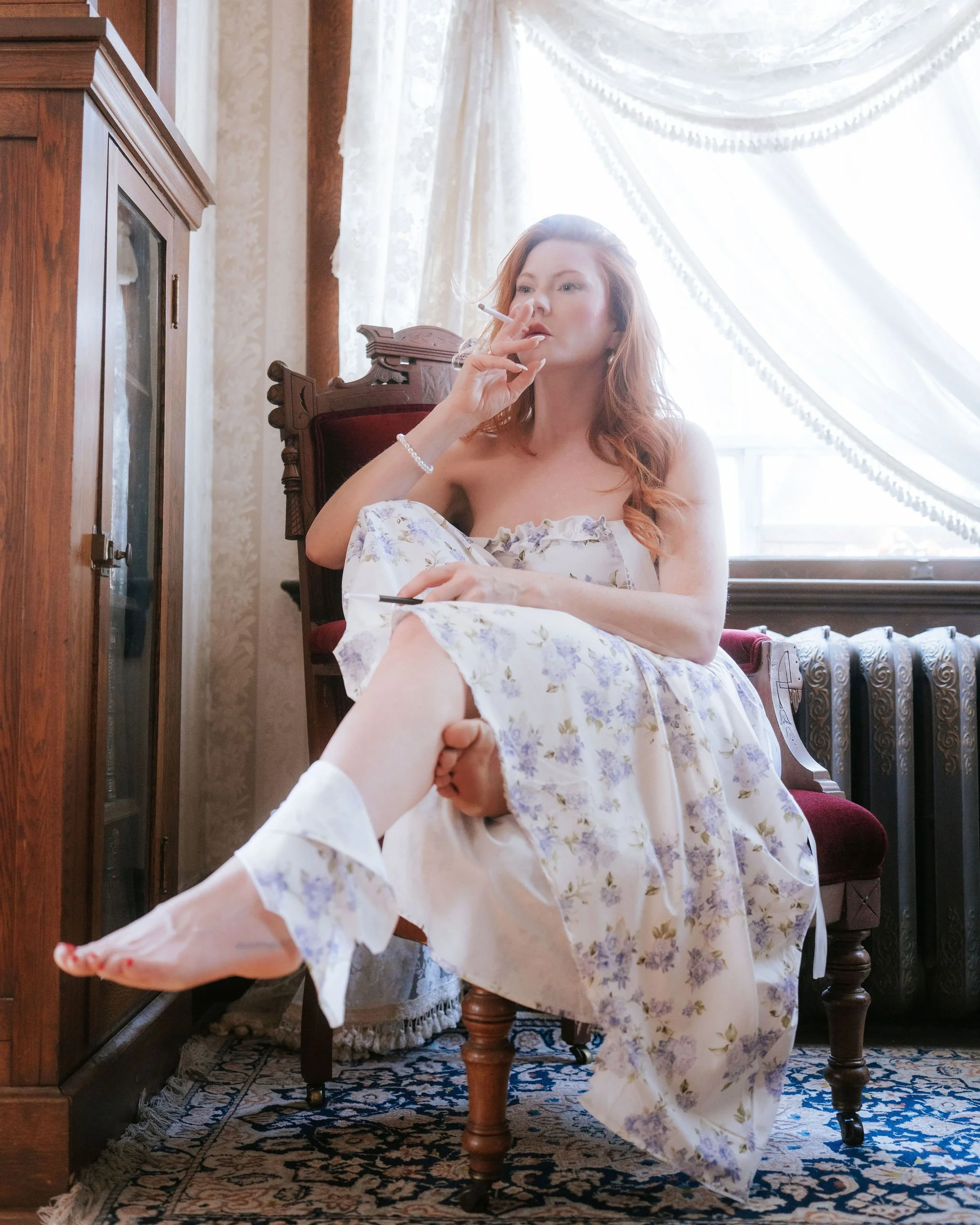
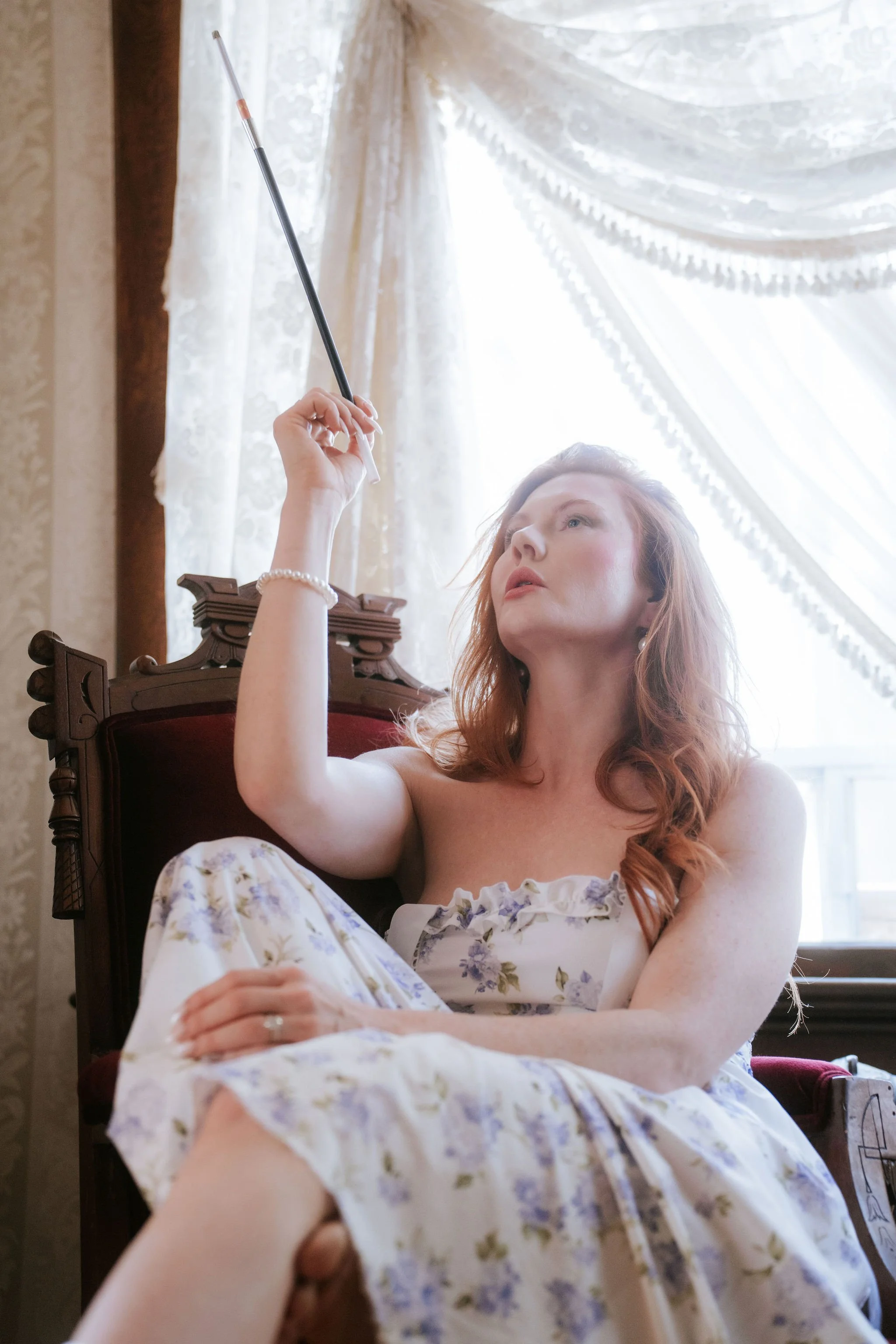
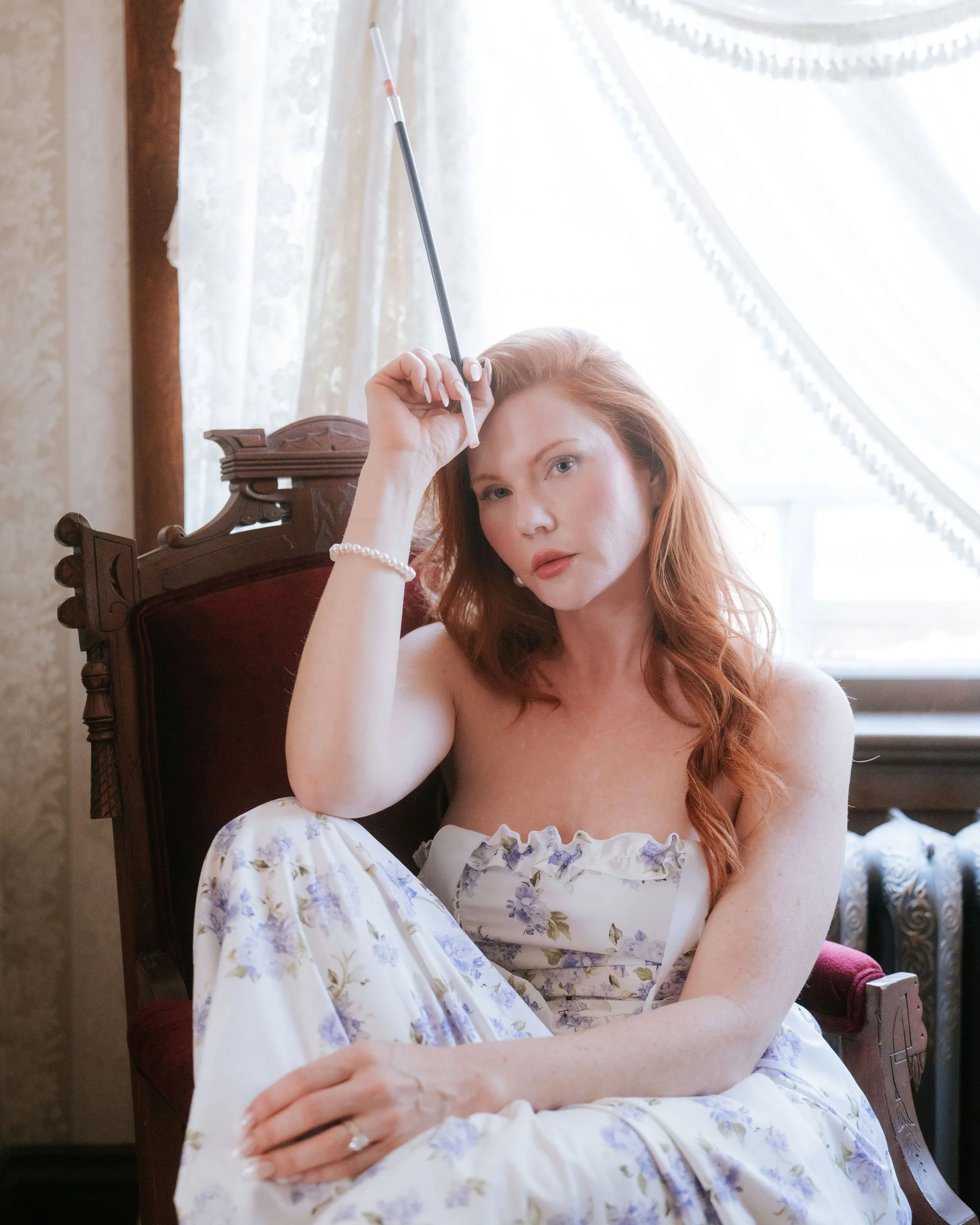
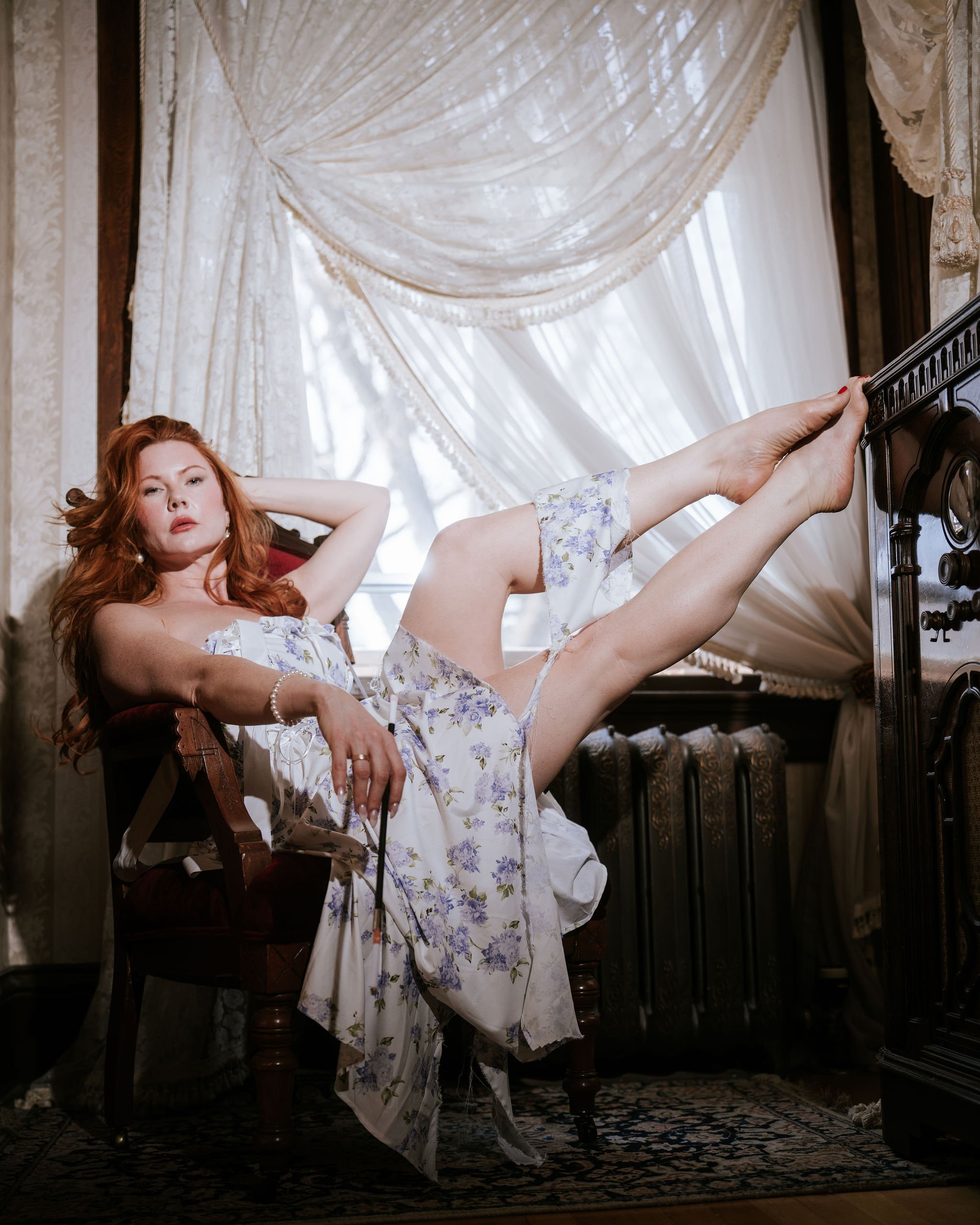
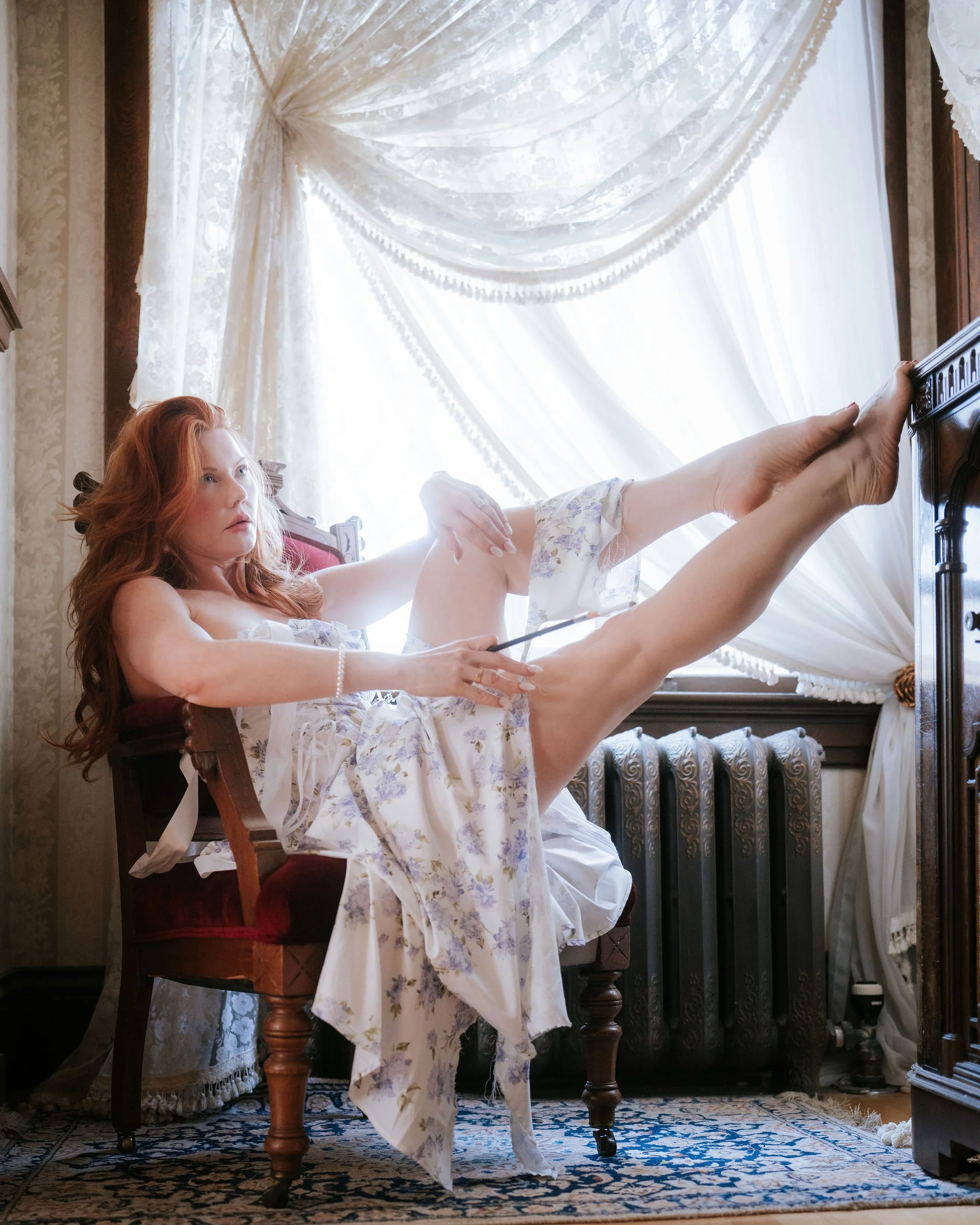
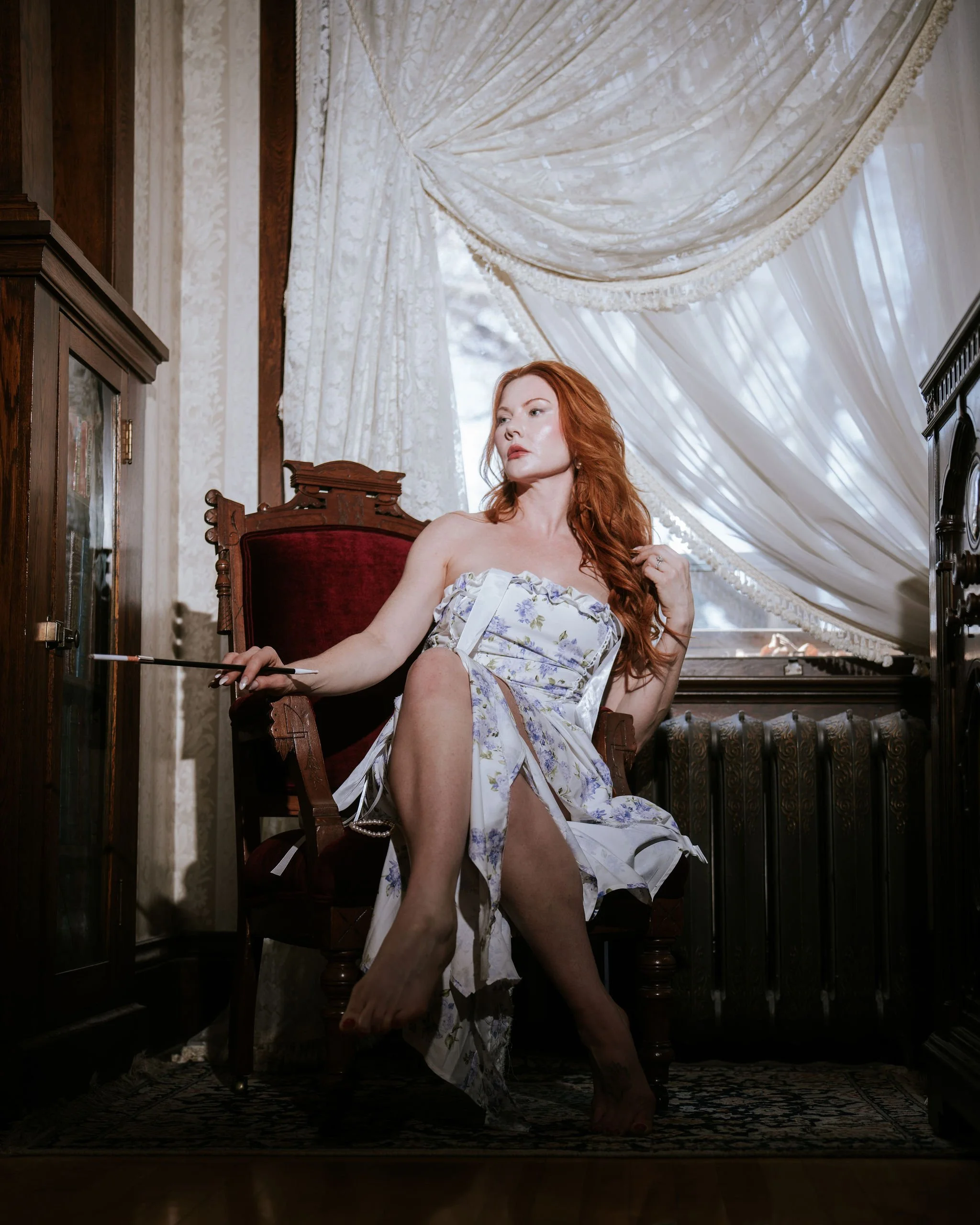
The colour is visible.
The hair is undone.
The gaze is direct.
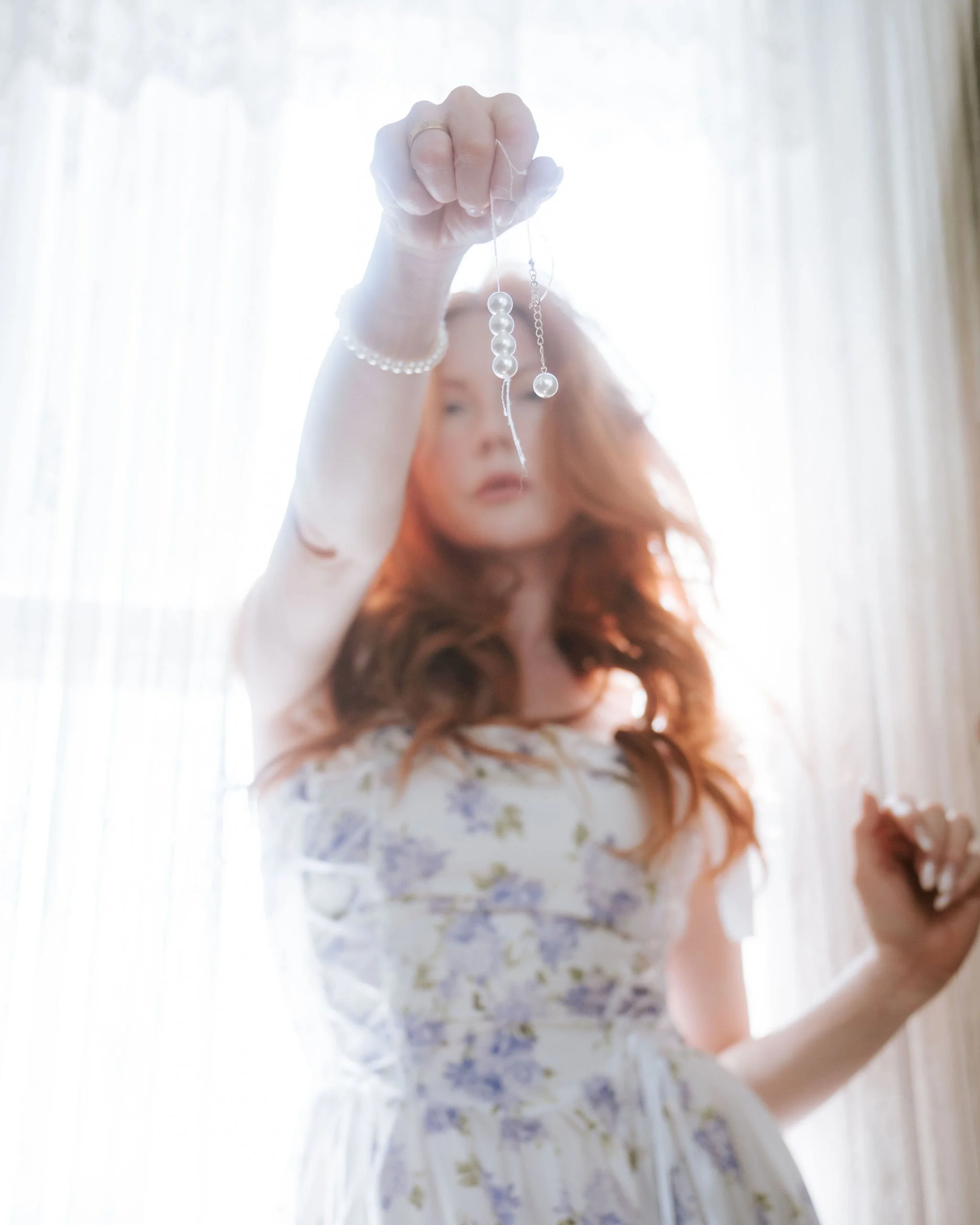
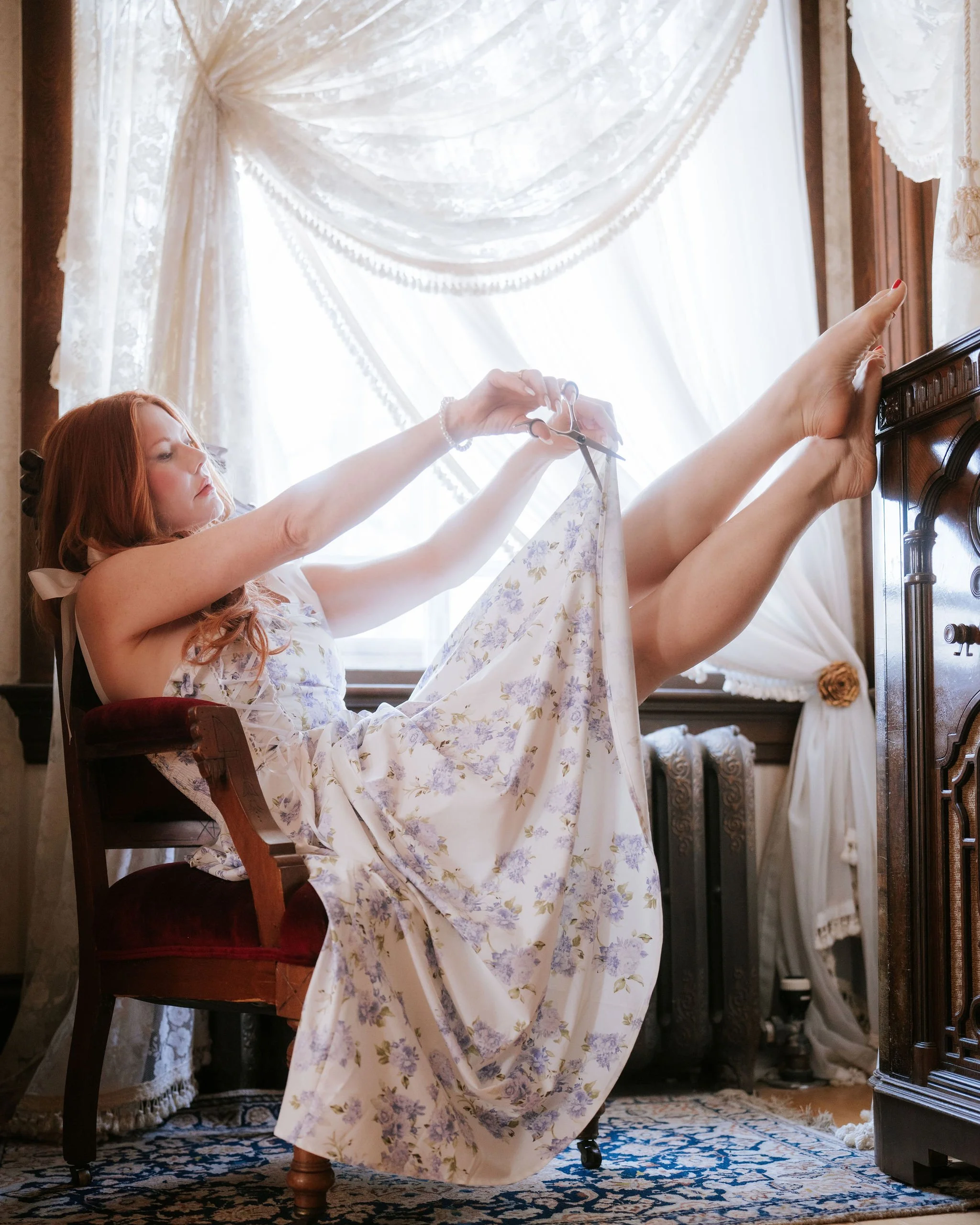
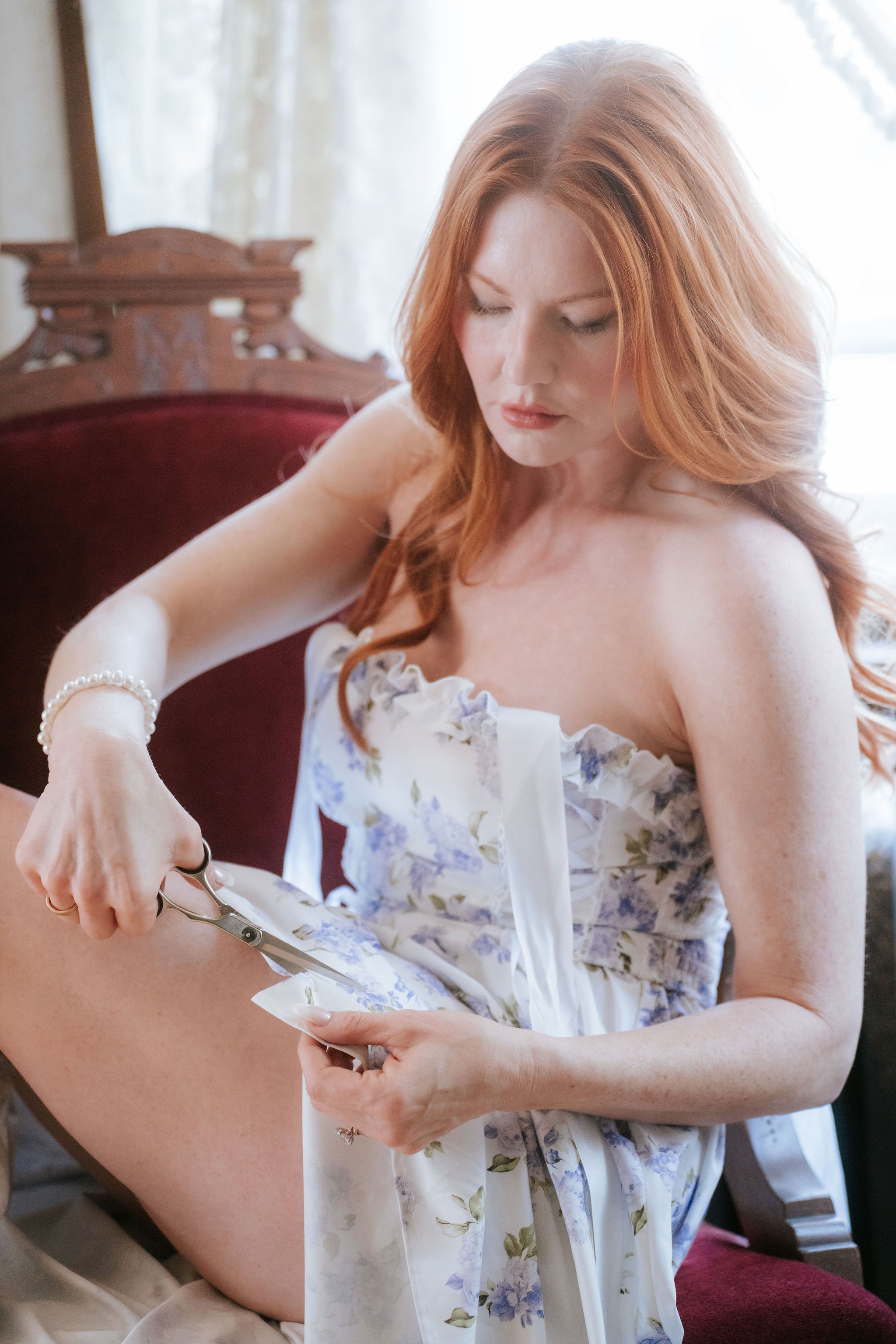
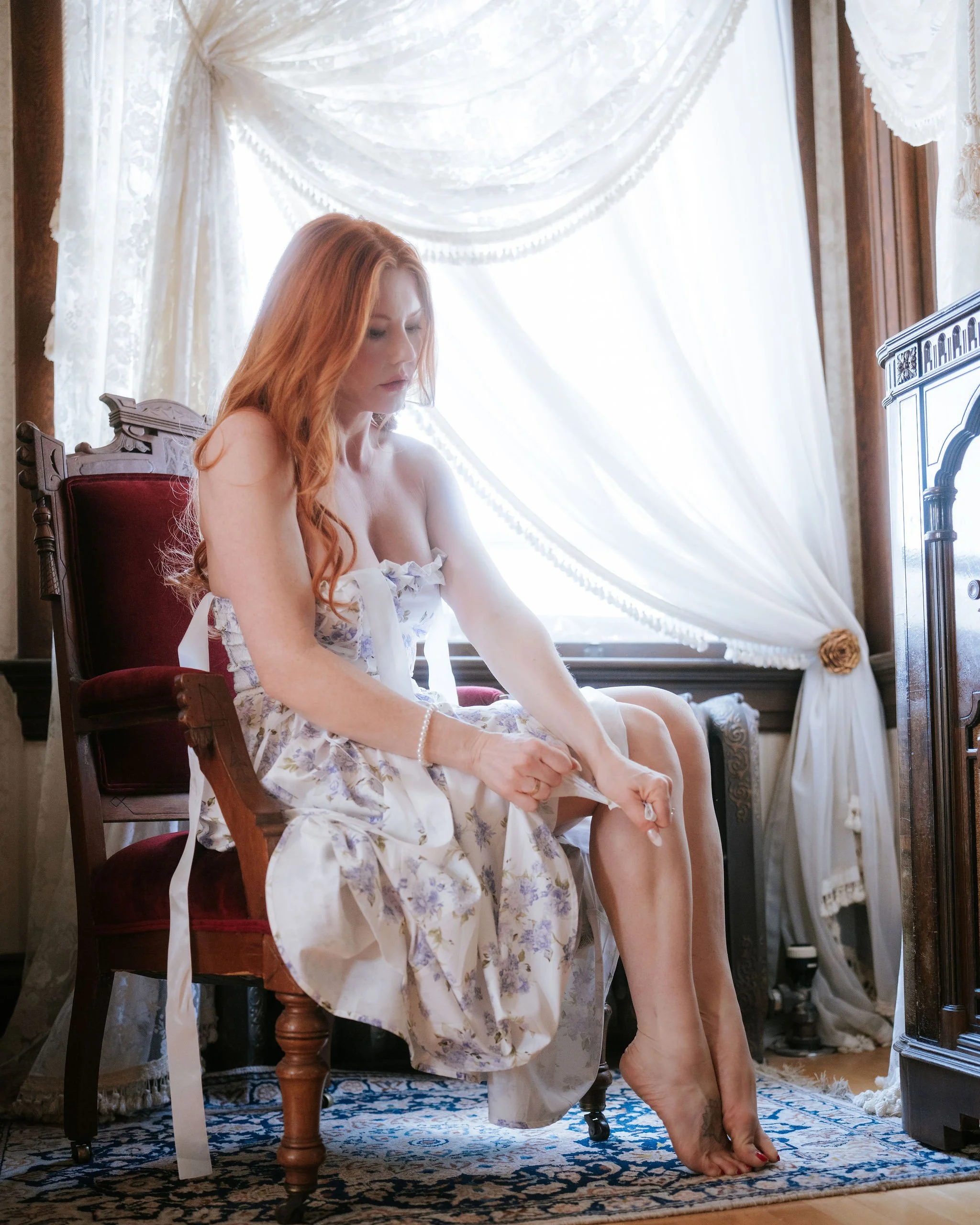
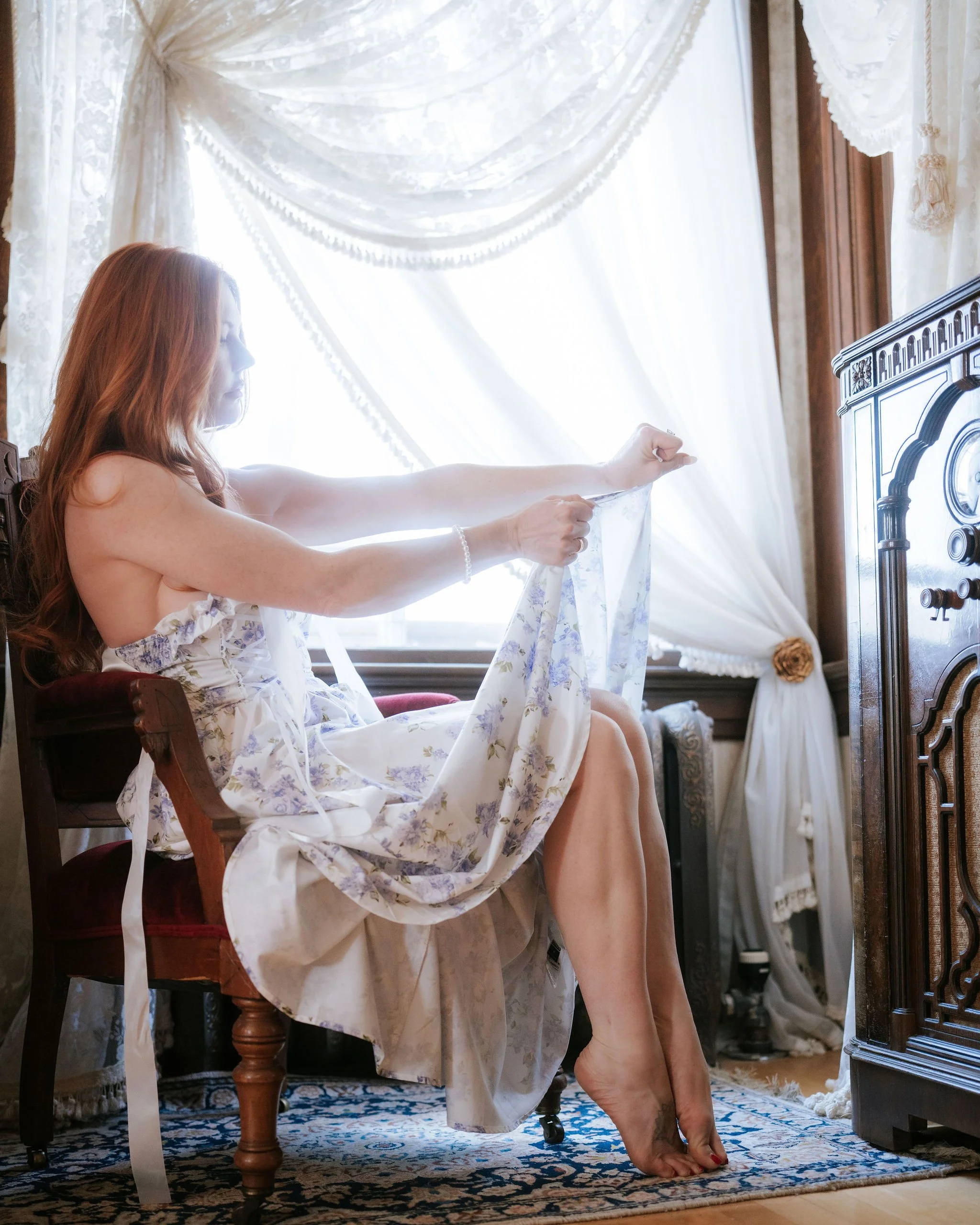
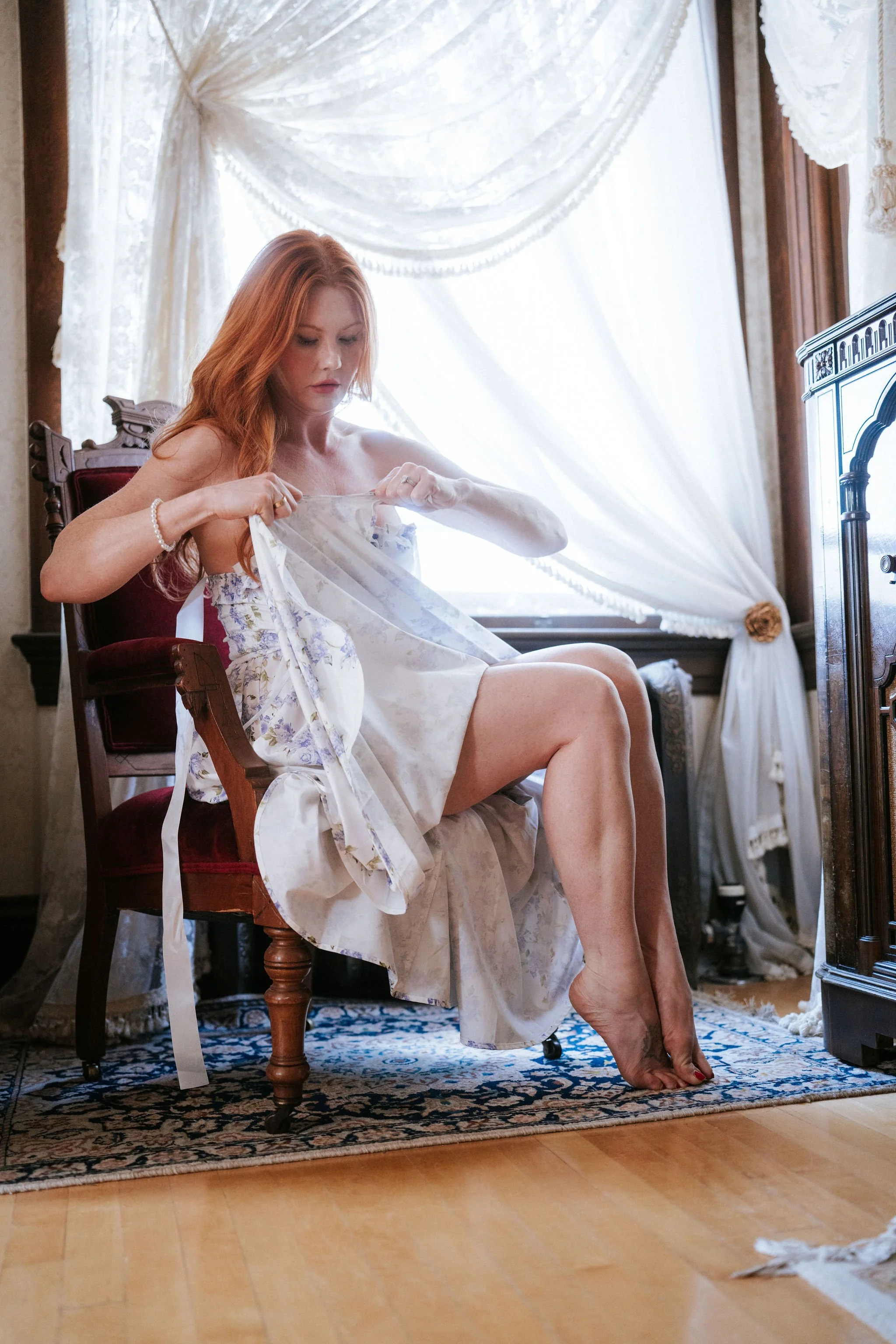
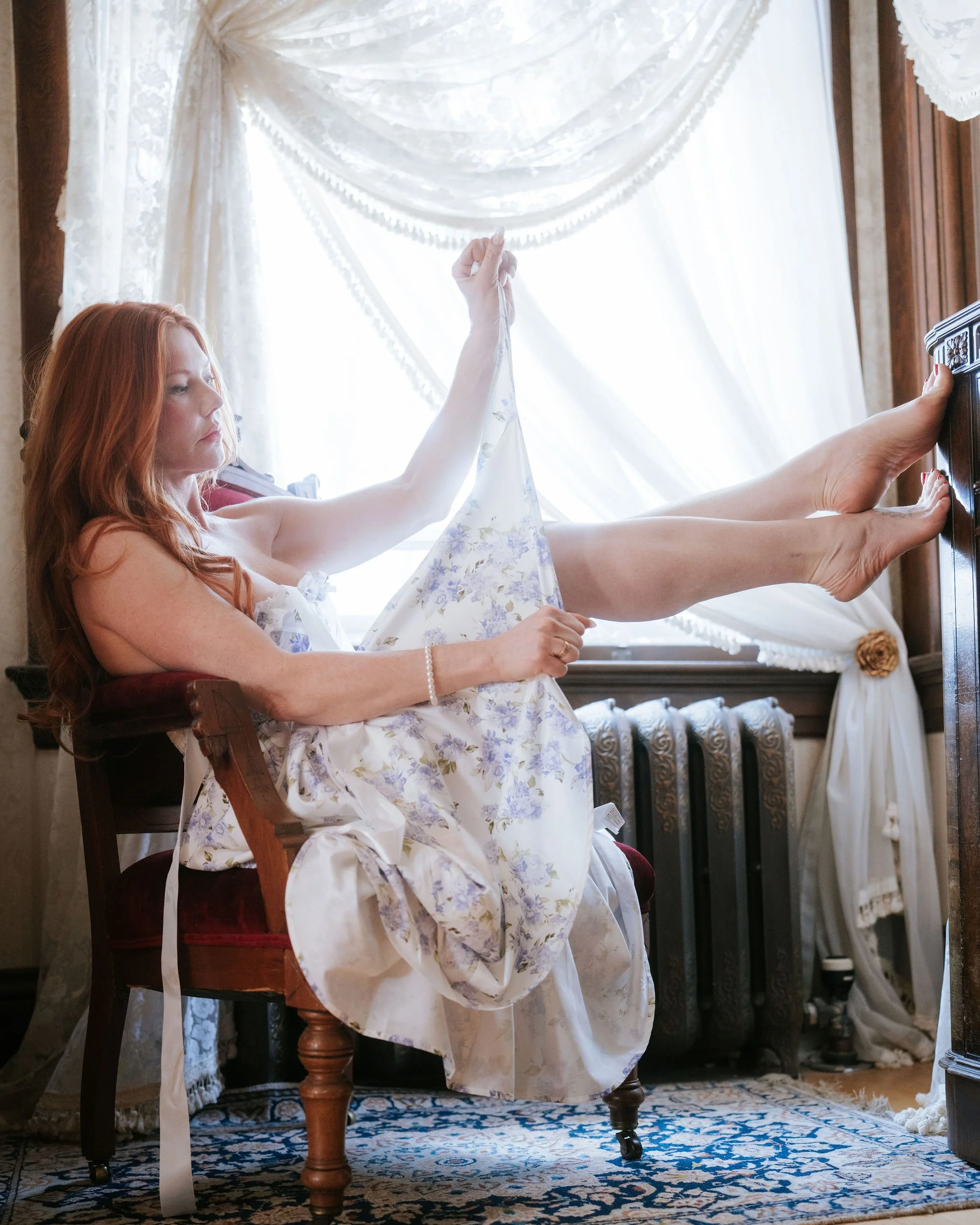
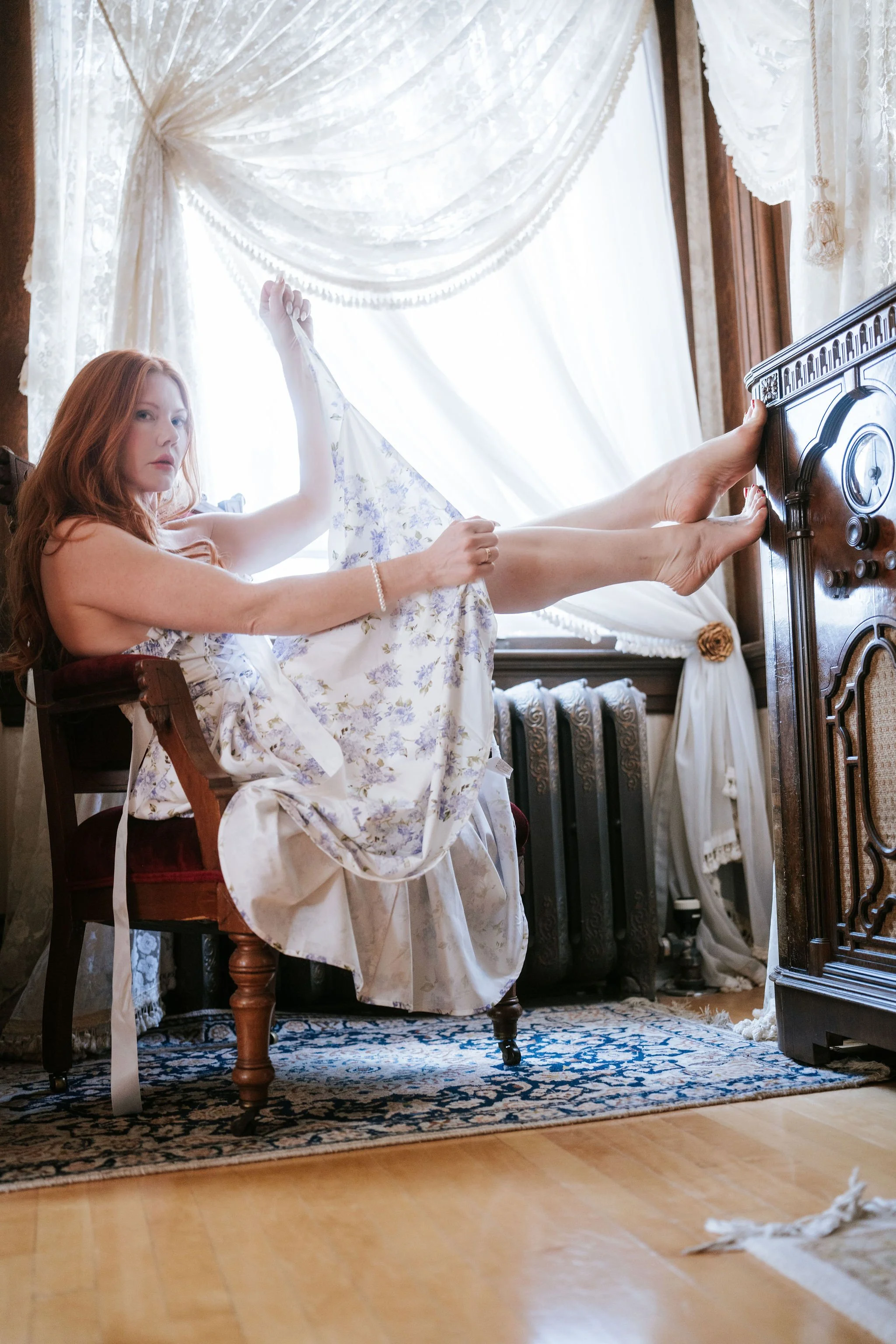
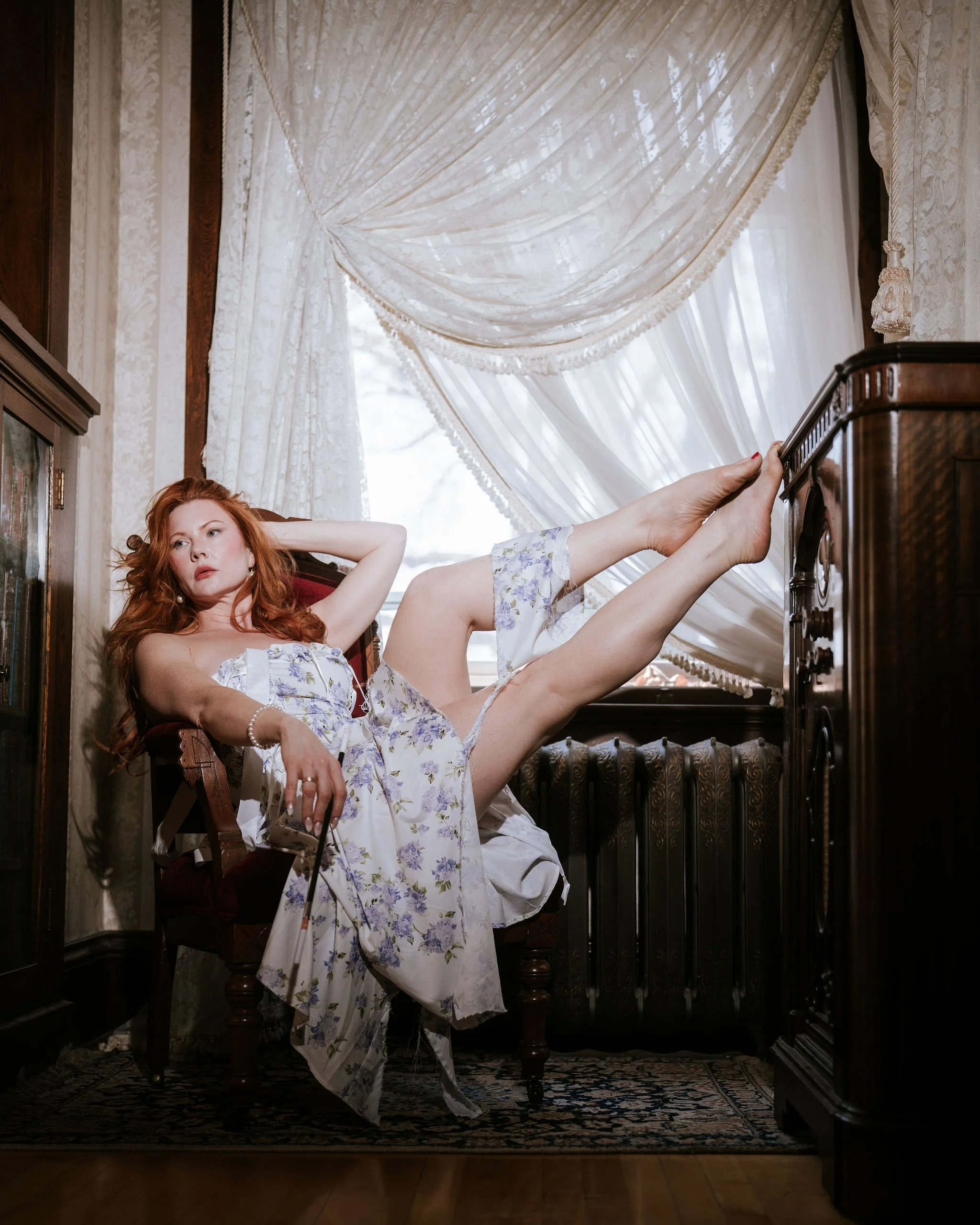
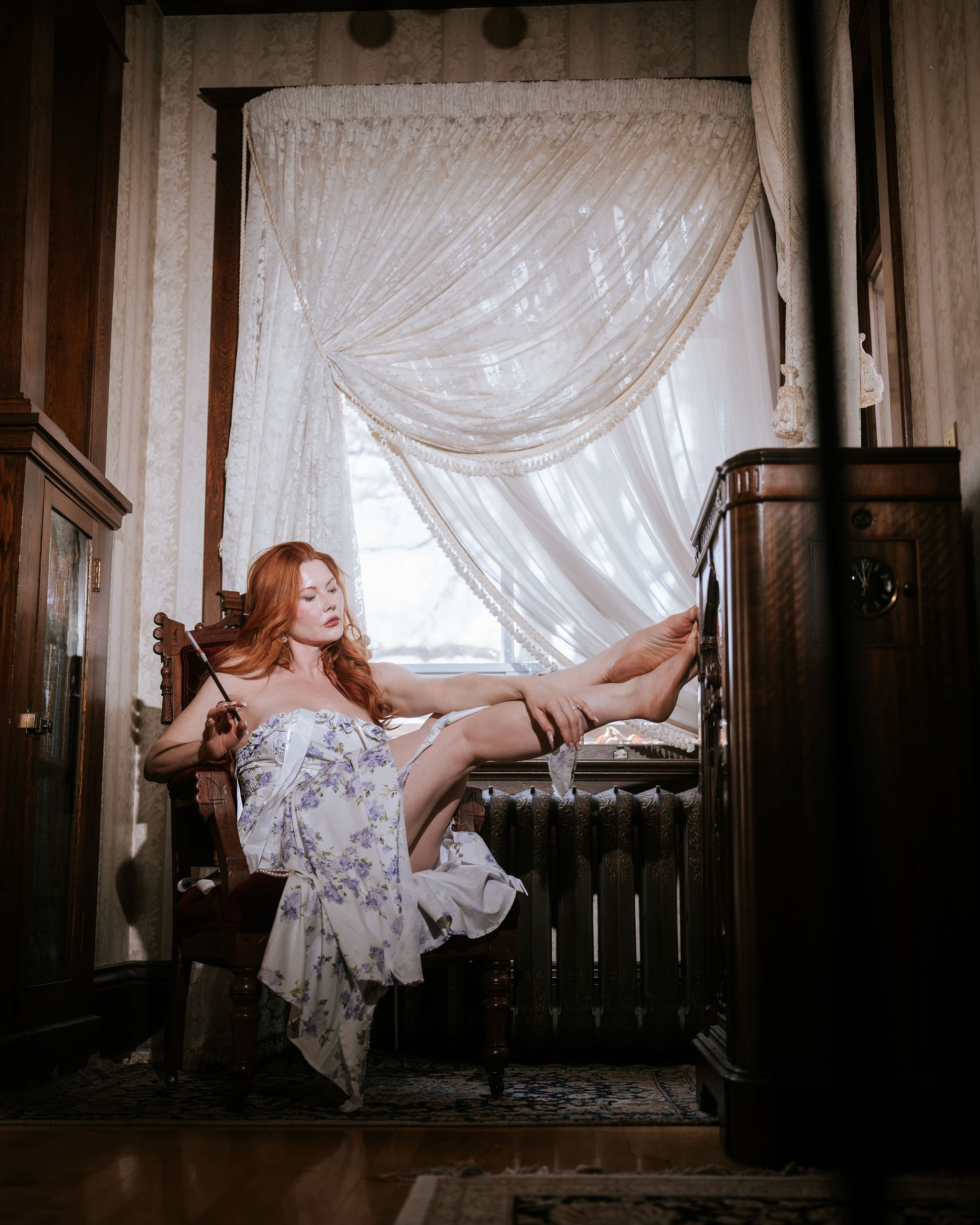
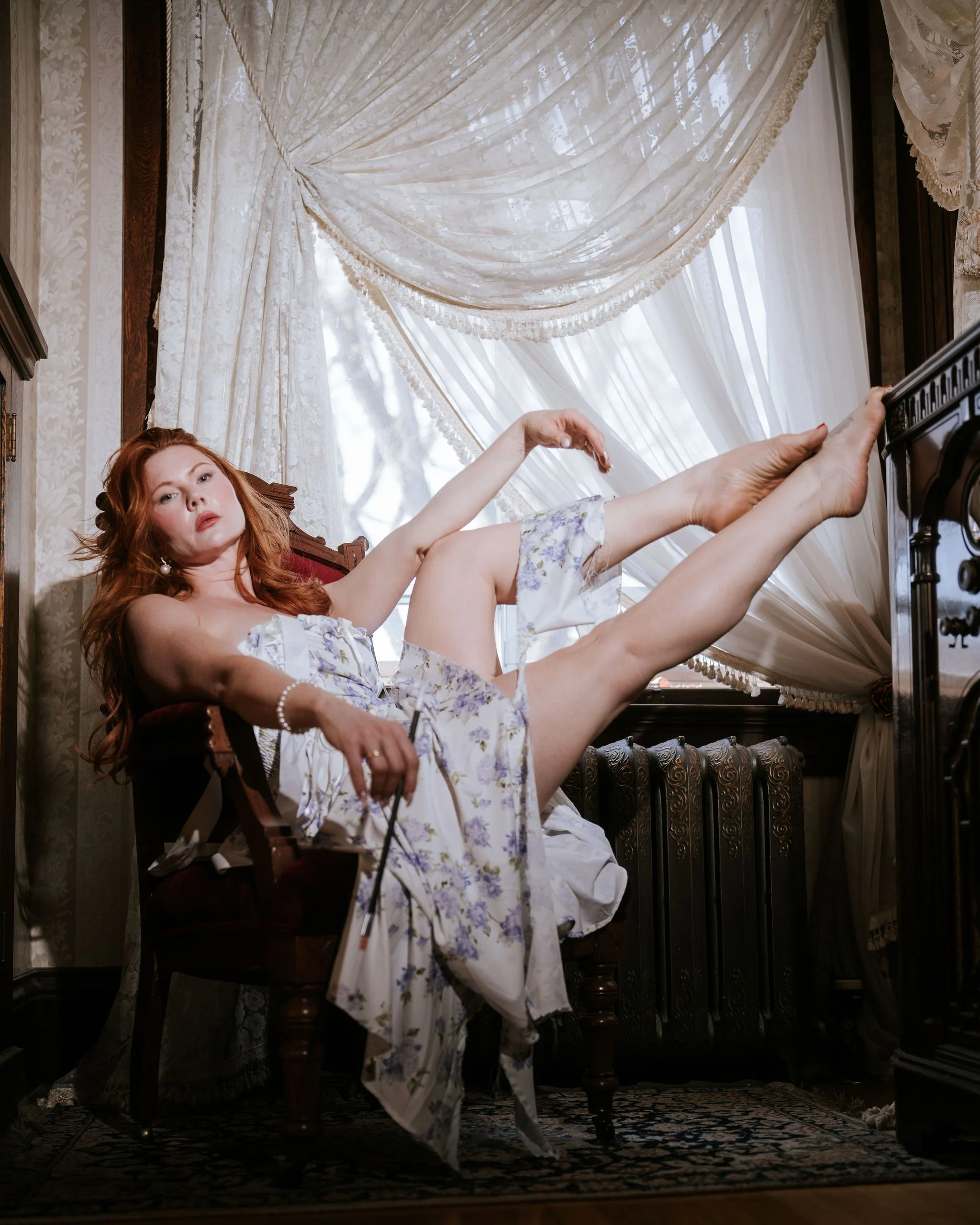
The dress is cut, ripped, and torn apart.
The restraint that defined the beginning of the story no longer determines its ending.
She has not transformed into someone else.
She has simply given herself the permission to exist as she chooses.
FROM IDEA TO IMAGE
The Painted Lady demonstrates the way I approach concept development and creative direction:
Beginning with an abstract idea. Researching its context. Finding the symbols capable of carrying it. Building a visual language around them. Translating that language into something tangible.
My work extends beyond makeup as simply a product being applied, but as a visual language. Colour, texture, placement, objects, gesture and environment can communicate something before a viewer ever reads an explanation.
The final photograph is only one part of the work.
The intention behind it is the work. Every element of The Painted Lady was therefore chosen in service of the same narrative.
The book. The cage. The mirror. The rouge. The hair. The posture. The gaze. The open door. The progression itself.
Together, every detail tells the story of a woman moving from being contained by expectation to becoming the author of her own image.
Credits
Photographer: Mimi Frank Photography (Edmonton, Alberta)
Model: Meaghan Galesloot (Edmonton, Alberta)
This concept would not have been possible without collaboration. I am truly so honored and grateful to have worked with both of these women, who immediately seen the vision, and were as passionate as I was in bringing it to life.
Venue: The Molstad Historical Residence (Edmonton, Alberta)